

Learn Everything Possible About Our Services
Chicago Auto Pros Blog - Vehicle Detailing Information Based In Chicago, IL

The Biggest Window Tint Mistakes Car Owners Make

Interior Prep for Summer Road Trips (Especially with Kids)

The Psychology of Driving a Clean Car

Why Summer Is the Perfect Time for a Color Change

The Sunlight Illusion There is a moment most homeowners recognize without quite naming it. The late afternoon sun pours through the windows, casting long golden lines across hardwood floors, warming the room in a way that feels almost cinematic. It is the kind of light people chase when they buy a home. Open, bright, alive. Then you sit down. The couch is warmer than it should be. The television becomes a mirror. The air feels heavy in one corner and cool in another. Months later, you notice the quiet fade of a rug, the dulling of wood, the slow bleaching of fabrics that once felt rich and new. What looks like a luxury is quietly working against you. This is where the conversation around window tinting often goes wrong. Many people assume it is about darkening glass, about aesthetics, about dialing down brightness. In reality, it is something else entirely. It is a performance upgrade hiding in plain sight. Window tinting is not just about appearance. It is about comfort, protection, and efficiency working together in a way most homeowners do not fully consider. And that gap between perception and reality is exactly why its value is so often underestimated. What Residential Window Tinting Actually Does Beyond the Aesthetic At its core, residential window film is a control system. It manages what passes through your glass and what does not. Heat, light, and ultraviolet energy are filtered, balanced, and redirected before they ever settle into your living space. That shift changes everything. Instead of sunlight overwhelming a room, it becomes moderated. Instead of heat building unevenly, it is reduced before it has a chance to accumulate. Instead of ultraviolet exposure quietly damaging interiors, it is largely blocked at the source. Research from energy authorities consistently points to the same conclusion. Window film is one of the most efficient ways to reduce solar heat gain, cut glare, and limit UV exposure without replacing the windows themselves. It is not a cosmetic tweak. It is a functional upgrade. And unlike heavy blinds or closed curtains, it does not ask you to give anything up. The view remains. Natural light stays present. The openness of the home is preserved. There is also a detail that tends to separate average results from exceptional ones. Performance is not just about the film itself. It is about how it is selected and how it is installed. The parallel is easy to see in automotive work. Precision matters. Materials matter. Application matters. The difference between a rushed job and a refined one is visible every single day. The Overlooked Benefits That Actually Matter Comfort That You Feel Immediately The first change is often the simplest and the most noticeable. Rooms stop fighting themselves. The corner that used to feel like a greenhouse begins to match the rest of the space. The couch near the window is no longer something you avoid in the afternoon. Hot spots disappear. Temperature becomes consistent. The home feels balanced in a way that is hard to describe until it happens. Spaces that were once tolerated become usable again. Lower Cooling Demand and Energy Costs Sunlight carries heat, and untreated glass lets a significant portion of that heat inside. High quality window film can reject a large percentage of that solar energy, in some cases approaching seventy eight percent. That reduction has a direct effect on your cooling system. Air conditioning units cycle less aggressively. Energy use drops during peak months. The system itself experiences less strain over time. In many cases, this is considered one of the fastest payback upgrades in home efficiency. It begins working the moment it is installed and continues quietly every day after. UV Protection That Quietly Saves Thousands Ultraviolet radiation is one of the most underestimated forces inside a home. It does not announce itself, but it leaves a trail. Floors fade. Upholstery loses depth. Artwork softens and discolors. Curtains age faster than they should. Quality window film can block up to ninety nine percent of these UV rays. That is not just protection. It is preservation. Instead of replacing or refinishing over time, you extend the life of what you already own. The value is not immediate in a dramatic way, but it compounds in a way that becomes impossible to ignore. Glare Reduction Without Losing Natural Light There is a difference between brightness and harshness. One feels energized. The other feels intrusive. Window film keeps the light but removes the edge. Screens become easier to see. Televisions stop competing with reflections. Laptops can be used anywhere in the room, not just in carefully chosen corners. The space remains bright, but it becomes comfortable to live in. Daytime Privacy Without Closing Yourself Off Privacy often comes at the cost of openness. Blinds go down. Curtains stay closed. The outside world disappears along with the view. Certain window films shift that dynamic. From the outside, visibility is reduced. From the inside, clarity remains. You keep the sense of space without feeling exposed. It is a subtle change, but it alters how a home feels throughout the day. Year Round Performance Not Just Summer It is easy to think of window tinting as a summer solution. Heat comes in, film pushes it back out. Simple. But some films are designed to do more. Low emissivity technology helps retain indoor heat during colder months by reducing the amount that radiates outward through the glass. The same system that keeps excess heat out in summer helps keep warmth in during winter. It reframes the entire idea. This is not just a seasonal fix. It is a year round upgrade that works quietly in the background, regardless of the temperature outside. When Window Tinting Is Actually Worth It Window tinting delivers its strongest return when the problem is already visible, even if it has not been fully defined. Homes with large sun facing windows are often the first to feel it. The light is beautiful, but the heat builds quickly and unevenly. Rooms that overheat during the day or become uncomfortable in the afternoon are prime candidates for improvement. These are not minor annoyances. They are signals that energy is entering the home unchecked. There is also the question of what is inside the home. High end flooring, custom furniture, carefully chosen artwork. These are not just design choices. They are investments. Without protection, they slowly degrade under constant UV exposure. Window film steps in as a quiet safeguard, extending the life and appearance of everything the sunlight touches. Glare is another tipping point. If you find yourself adjusting blinds throughout the day, repositioning screens, or avoiding certain areas at peak sunlight hours, the problem is already shaping how you live in space. Then there is the financial comparison that often surprises people. Replacing windows is a major undertaking with a significant upfront cost. Window film, by contrast, enhances the performance of existing glass at a fraction of that price. It is not a shortcut. It is a strategic upgrade. In many cases, homeowners begin to see a return within one to three years, depending on climate, window exposure, and film selection. After that, the savings and comfort gains continue without additional effort. When It Might Not Be the Right Move There is value in knowing when not to move forward. If your windows are already failing, with seal issues, drafts, or structural wear, film will not solve those underlying problems. In those cases, replacement is the more appropriate path. Climate also plays a role. In areas with limited sun exposure, the impact of window tinting may be less noticeable, particularly when it comes to cooling demand and glare reduction. Aesthetics matter as well. Some films, especially those designed for privacy or reflectivity, can alter how a home looks from the outside. For some homeowners, that shift is a benefit. For others, it may not align with the desired appearance. The common thread here is not whether window tinting works. It does. The question is whether it is the right solution for your specific situation. And that is where selection becomes critical. The type of film, its performance characteristics, and how it interacts with your home all matter as much as the decision to install it in the first place. Why Installation Quality Changes Everything There is a point where the conversation shifts from what the product can do to how well it is executed. Window film is precise by nature. Its performance depends on how cleanly it is applied, how accurately it is cut, and how well it bonds to the glass over time. Small imperfections are not just cosmetic. They can affect longevity, clarity, and overall effectiveness. This is where experience becomes visible. The same way automotive tinting demands exact application, residential film requires skilled hands. The margin for error is small, and the difference between average work and refined work shows up every day in how the film looks and performs. There is a reason environments that specialize in high end film application tend to produce better results. Attention to detail, controlled processes, and an understanding of how materials behave all come into play. It is a mindset as much as a service. The kind of approach seen in meticulous automotive detailing spaces like Chicago Auto Pros, where film is treated not as an accessory but as a precision product. That level of care translates naturally into residential work, even if the setting is differen t. Because in the end, the film itself is only part of the equation. The outcome is defined by how well it is installed. The Real Answer Is It Worth It The short answer is yes, but only if you are asking the right question. If your goal is to create a more comfortable home, protect what is inside it, and improve efficiency without taking on the cost and disruption of replacing your windows, then window tinting earns its place quickly. The mistake many homeowners make is reducing the conversation to heat alone. It is not just about making a room cooler. It is about how multiple benefits layer together in a way that changes how a space feels and performs every day. Comfort becomes consistent rather than conditional. Ultraviolet protection works quietly in the background, preserving what you have invested in. Glare disappears without sacrificing the light that makes a home feel open. Interiors hold their color, their texture, and their quality for longer than expected. It is not one dramatic shift. It is a collection of smaller improvements that compound into something much more noticeable over time. The Upgrade Most People Do Not Realize They Need Think back to that original scene. Sunlight stretches across the room, warm and inviting, almost cinematic in its appeal. Now imagine that same light, but without the drawbacks. The room stays comfortable. The air feels balanced. The surfaces beneath it remain unchanged month after month. The brightness stays, but the harshness is gone. Nothing about the space looks drastically different at first glance. And that is the point. Window tinting is an invisible upgrade with a visible impact. It does not demand attention, but it quietly improves the way your home functions every single day. And when it is done right, with the same level of precision and care you would expect from high end automotive film work, the results speak for themselves.

The Calm After the Chaos It hits fast. Hail cracking against metal like a drumline in overdrive. Rain slashing sideways across the windshield. Wipers working overtime and still losing the fight. Visibility shrinks to a blur and for a few tense minutes, the road disappears entirely. Then just as suddenly, it stops. The noise fades. The air settles. And in that quiet, a different feeling creeps in. You step out or lean forward to look closer, and there it is. The sinking realization that your car may not have come through untouched. What happens next matters more than most drivers realize. The minutes after a storm are not just about checking for dents or wiping down glass. They are a turning point. The decisions you make right now can mean the difference between a quick recovery and a slow, expensive decline. Because storms rarely leave clean damage. They leave layered problems. Water where it should not be. Moisture trapped in places you cannot see. Electrical systems are quietly beginning to fail. The kind of issues that do not announce themselves until it is too late. Step 1: Secure Your Safety First Before Touching the Car Before you think about your vehicle, think about yourself. If the storm is still active with lightning, hail, or strong wind, stay inside the car. It is not just shelter, it is protection. Keep the windows up and avoid contact with exposed metal surfaces. Let the worst pass before making any move. If flooding is part of the equation, your priorities shift quickly. Rising water is unpredictable and dangerous. If you can safely move to higher ground, do it. Distance from moving water is not optional, it is essential. Only once you are out of immediate danger should your attention return to the vehicle. Your safety comes first, but your car’s condition starts deteriorating the moment the storm ends. Water begins to settle. Debris starts to stick. What looks minor now can escalate quietly in the background. Step 2: Shut Down and Scan the Environment Once things calm down, resist the urge to jump out immediately. If you are still in motion, find a safe place to stop. A parking lot, a wide shoulder, anywhere that removes you from traffic and risk. Only then should you turn off the engine. Before opening the door, take a moment to scan your surroundings. Look for downed power lines that may not be obvious at first glance. Watch for branches or debris that could shift. Pay attention to water movement, especially if you are near a low area or street that tends to collect runoff. This is not about reacting in panic. It is about reading the scene like a professional. A calm, deliberate check of your environment can prevent a bad situation from becoming worse. Once you are confident the area is stable, then and only then do you step out and begin assessing what the storm left behind. Step 3: Do a Fast Exterior Damage Sweep Now you can finally look at the car itself. Start with a quick walk around. Nothing too detailed yet, just a sharp first pass. Look for dents scattered across the hood and roof where hail tends to hit hardest. Check the windshield and windows for cracks or spiderweb fractures. Pay attention to mirrors and lights since they are often the first to take damage. At this stage, most people focus only on what they can see. That is the trap. Cosmetic damage is just the surface. The real concern is what may have shifted, loosened, or compromised underneath. Trim pieces might be weakened. Seals could be disrupted. Water may have already found its way inside without making a dramatic entrance. This is where a trained eye makes the difference between catching a problem early and discovering it months later when the repair bill doubles. Step 4: Check for Water Intrusion The Silent Killer Open the door and take a breath. Then pay attention. Look down at the floor mats. Press lightly into the carpet. Run your hand along the seats. You are not just checking for obvious puddles. You are hunting for dampness that does not belong. Water intrusion rarely announces itself with drama. It seeps. It settles. It lingers. And once it is inside, the clock starts ticking. Moisture leads to mold. Mold leads to odor. Odor leads to a cabin that never quite feels clean again. Beneath that, corrosion begins to work through wiring and connectors, slowly turning small issues into expensive electrical problems. This is where most do it yourself responses fall short. Surface drying is not the same as removal. If water has worked its way into padding or beneath trim, it needs more than air and hope to fix it. Catching this early is not just smart. It is the difference between restoration and replacement. Step 5: Test the Brakes Before Driving Normally Before you pull back into traffic, give your brakes a moment of attention. Water changes how they behave. Even a short drive through heavy rain can coat brake components and reduce stopping power. It is subtle at first, then suddenly not. Find a safe stretch of road and apply the brakes lightly at low speed. Do it a few times. You are creating friction to help dry them out and restore normal performance. Pay attention to how the pedal feels. If it feels soft, slow to respond, or inconsistent, that is your signal to stop driving. Do not push through it. Brakes are not something you test by taking chances. A quick check here can prevent a situation that escalates far beyond inconvenience. Step 6: Pop the Hood But Know Your Limits Curiosity is useful here. Confidence can be dangerous. Release the hood and take a careful look inside. You are scanning for anything that does not belong. Mud splashed into areas that should be clean. Leaves or debris caught around components. Any sign of standing water near the battery, intake, or fuse box. If everything looks dry and normal, you can move on. If it does not, stop. Starting an engine that has been compromised by water can cause damage that is immediate and severe. It is not a risk worth taking. What might have been a manageable issue can turn into a full mechanical failure in seconds. This is where stepping back and calling in professionals is not overcautious. It is a smart move. Step 7: Watch for Electrical Red Flags Turn the car on and watch closely. Dashboard lights tell a story. Check the engine. ABS. Traction control. Battery warnings. If something lights up that was not there before, pay attention. Then notice how the car behaves. Windows moving slower than usual. Locks hesitating. Screens flickering or resetting. Small glitches that feel easy to ignore. Do not ignore them. Electrical damage has a way of showing up late. What seems like a minor inconvenience today can evolve into a system failure days later. Moisture does not just disappear. It spreads, it corrodes, and it creates problems that grow quietly over time. Catching these signals early gives you options. Waiting usually removes them. Step 8: Document Everything Immediately Before anything changes, document what you see. Take clear photos of the exterior. Every dent, every crack, every detail that shows impact. Then move inside and capture any signs of moisture or staining. Do not rely on memory. Write down the basics. When it happened. Where you were. What the storm looked like. These details matter more than most people expect when it comes time to file a claim. This is not paperwork for the sake of it. It is leverage. The more precise your record, the stronger your position. And in situations like this, that can make the difference between a smooth claim and a frustrating one. Step 9: Dry the Interior Before It Is Too Late Now the real race begins. Remove the floor mats. Open the doors if conditions allow. Wipe down any visible moisture. Get air moving through the cabin as quickly as possible. At first, it seems manageable. A little dampness. A quick cleanup. Then time passes. Moisture trapped beneath carpets begins to settle deeper. Odor starts to form. That faint smell turns into something heavier. Then mold follows, and suddenly the problem is no longer cosmetic. It is embedded. Basic drying helps, but it only goes so far. Deep moisture requires extraction, treatment, and the right equipment to fully remove it. This is where professional detailing shifts from optional to essential. Especially in a city like Chicago where humidity and rapid weather changes can make moisture linger longer than expected. Step 10: Get a Professional Inspection Even If It Seems Fine Here is the part most drivers skip. The car looks okay. It drives. Nothing feels immediately wrong. So they move on. That is where problems begin. Storm damage is rarely immediate. It is progressive. Brake components can carry residue that wears them down over time. Electrical systems can corrode slowly until something fails without warning. Interior moisture can sit hidden until it becomes a full scale issue. A professional inspection is not about confirming damage you already see. It is about catching what you do not. This is the moment where prevention is still possible. Chicago Angle Why Local Expertise Matters Chicago weather does not ease you into trouble. It hits fast and leaves just as quickly. One minute it is clear. Next, you are dealing with heavy rain, sudden hail, and streets that collect water faster than they drain. It is not unusual for a single storm to expose your car to multiple forms of stress at once. That kind of environment demands experience. Chicago Auto Pros understands what these storms leave behind. Not just the visible damage, but the interior moisture, the hidden buildup, the subtle issues that most shops overlook. Their focus is not just cleaning a car. It is restoring it after conditions that push it beyond normal wear. That local understanding matters more than most drivers realize. Quick Action Checklist Ensure you and your passengers are safe Park in a secure and stable location Inspect the exterior and interior for damage Test the brakes at low speed Check the engine bay for water or debris Document all visible issues with photos and notes Dry the interior as quickly as possible Schedule a professional inspection if needed The Difference Between Recovery and Regret There is a narrow window after a storm where your actions matter most. Move quickly and you prevent damage from spreading. Wait too long and small issues turn into expensive repairs that could have been avoided. The difference is not luck. It is a response. Smart drivers do not just react to what they see. They address what might be happening beneath the surface. If your car took a hit in a Chicago storm, getting it properly assessed and detailed is not optional. It is protection.

The Truth Most Shops Won’t Say Out Loud Most customers walk into detailing shops asking the wrong questions. Some do not ask anything at all. They book based on a price, a package name, or a promise that sounds polished enough to trust. That is usually where things start to go sideways. Because the quality of the outcome is shaped long before the first wash mitt touches the paint. Bad questions lead to rushed work, shortcuts in prep, and products that sound impressive but fail quietly a few months later. What looks glossy on day one can fade into disappointment faster than most people expect. At Chicago Auto Pros, we see this gap every day. And truthfully, we wish more customers came in asking harder questions. Not because it slows things down, but because it raises the standard of the entire process. The difference between a quick clean and real craftsmanship is not always visible on the surface. It lives in the steps most people never see. The questions below are the ones that expose that difference. After years of working on everything from daily drivers to high end builds, one pattern holds steady. The most informed clients consistently get better results. Not by luck, but because they know what to look for before the work even begins. What exactly is included in this service? This is where most detailing experiences either start with clarity or fall apart later. Vague packages are one of the biggest red flags in the industry. A service labeled as a full detail can mean ten completely different things depending on who is performing it. Without a clear breakdown, customers are left guessing what they are actually paying for. A proper answer should be specific and structured. It should outline each step from the initial wash to decontamination, interior work, paint correction if included, and any form of protection applied at the end. Each of these stages carries its own level of effort and impact on the final result. There is a significant difference between a surface level express detail and a true multi step service. One is designed for speed and appearance. The other is built for restoration and longevity. They should never be confused, yet they often are when details are not clearly explained. Shops that prioritize transparency do not rely on broad package names. They walk you through the process so you understand exactly what your vehicle is going through. At Chicago Auto Pros, that clarity is not an extra step. It is part of the standard. How do you wash and prep the vehicle? Most people think of washing as the safest part of the process. In reality, it is where a large percentage of paint damage begins. Improper washing techniques introduce fine scratches and swirls that slowly dull the finish over time. This is especially critical before any protection service, where whatever sits on the surface is going to be sealed in place. A proper process starts with a controlled wash method designed to minimize contact and reduce friction. This is followed by chemical decontamination to remove embedded particles and, when needed, mechanical decontamination to smooth the surface further. Before any coating or film is applied, the paint should be properly cleansed so the product can bond correctly. Preparation is not optional. It is the foundation that determines whether a coating lasts or fails, whether a film adheres properly or lifts prematurely. The reality is that many shops compress this stage to save time. Serious detailers do the opposite. They spend more time here than most customers expect, because they understand that every step after depends on it. What level of paint correction do I actually need? Paint correction is often misunderstood, and in many cases, avoided altogether. It is treated as an upgrade rather than what it truly is, which is the step that defines how the finish will actually look. Correction is not about chasing perfection for its own sake. It is about addressing the defects that prevent the paint from reflecting light properly. Swirls, haze, and deeper imperfections do not disappear under coatings or film. They remain, just preserved. There are different levels of correction, ranging from no correction at all to single stage refinement and more intensive multi stage processes. The right choice depends on the condition of the vehicle and the expectations of the owner. This is where honesty matters. Not every vehicle needs an aggressive approach, and not every customer is chasing a flawless finish. What matters is understanding the trade off between improvement and effort, and making a decision based on real inspection rather than assumption. Experienced professionals do not guess. They evaluate the paint under proper lighting, identify what can realistically be improved, and guide the customer accordingly. That level of clarity is what turns a good result into a lasting one. What’s the correct order PPF or ceramic coating? This is one of the most common points of confusion, and it matters far more than most people realize. The order of operations directly affects how well each layer performs and how long it lasts. When done correctly, the process follows a clear sequence. Paint correction comes first to refine the surface. Paint protection film is installed next on the areas that need impact resistance. Then a ceramic coating is applied over both the exposed paint and the film to enhance gloss and simplify maintenance. When this order is reversed or rushed, problems start to show. Coatings can interfere with proper film adhesion. Imperfections can get locked beneath protective layers. What should have been a clean, seamless finish turns into something that looks good at a glance but falls short up close. This is where experience quietly shows itself. Shops that understand the relationship between these services do not experiment with the order. They follow a process that has been proven over time. At Chicago Auto Pros, sequencing is not a guess. It is a system that ensures each step supports the next. What products are you using and why? It is easy to get caught up in brand names. The reality is that the name on the bottle matters far less than how and why the product is being used. What customers should really be listening for is purpose. Why this specific coating over another. Why a certain polish is chosen for a particular paint type. Why one film is recommended based on how the vehicle is driven. These decisions shape the outcome far more than any label ever could. Quality, compatibility, and durability all come into play. Products need to work together, not just individually. A high performing coating means little if it is applied over a poorly prepared surface. A premium film loses its value if it is not suited for the conditions the vehicle will face. There is also a gap between marketing and reality that often goes unspoken. Claims about years of protection or extreme gloss can sound impressive, but they depend heavily on preparation, environment, and maintenance. Professionals do not rely on surface level answers. They explain the reasoning behind their choices. At Chicago Auto Pros, the conversation is not just about what is being used. It is about why it fits the vehicle and the expectations of the owner. How long will this actually take? Time is one of the clearest indicators of how a service is being approached. High quality detailing is not fast. It involves multiple stages, each requiring attention, inspection, and adjustment. Washing, decontamination, correction, and protection all take time to execute properly. When done correctly, the process often spans several hours or even multiple days depending on the level of work. When a service is promised in a surprisingly short window, it is worth asking what is being skipped. Speed usually comes at the expense of preparation or refinement. The finish might look acceptable at first, but the longevity and depth are rarely there. There is a reason experienced shops build time into their process. It allows for proper curing, careful inspection, and a result that holds up beyond the initial handoff. Patience becomes part of the investment. Customers who understand this tend to walk away with results that last, not just results that look good for a weekend. What experience or training backs your work? Detailing is often underestimated because it looks straightforward on the surface. In reality, there is a wide gap between basic service and true expertise. Skill in this industry is built through training, repetition, and a deep understanding of materials. Paint systems vary. Products behave differently depending on conditions. Installation techniques for film and coatings require precision that only comes with experience. Certifications and specialized training are not just credentials to display. They reflect time spent learning proper methods and refining technique. More importantly, they signal that the shop takes the craft seriously. This is not work that can be mastered casually. It is developed through consistent practice and attention to detail across a wide range of vehicles and conditions. At Chicago Auto Pros, that consistency is part of the foundation. The approach is trained, proven, and repeatable. Not a one off result, but a standard that clients can expect every time. Can I see real examples of your work? This should never feel like an uncomfortable question. It should be expected. Any reputable shop should be able to show real proof of what they do, not just talk about it. Before and after photos tell part of the story, but the real value comes from seeing work that matches your vehicle and your goals. A daily driver with wear and tear requires a different approach than a garage kept weekend car, and the results should reflect that. It is also worth looking beyond a handful of polished highlights. There is a difference between a carefully curated gallery and a body of work that shows consistency over time. Consistency is what signals process. It shows that the outcome is repeatable, not a one time success. Serious shops do not hesitate here. They are proud to show their work because they know it holds up. At Chicago Auto Pros, the expectation is simple. If you ask to see it, you should be able to. What does your warranty actually cover? Warranties can sound reassuring, but only if you understand what they actually mean. There is often a gap between expectation and reality when it comes to protection services. A coating may be marketed with a certain lifespan, but that does not mean it is immune to wear, neglect, or improper care. The same applies to film installations. A clear answer should outline what is covered and what is not. Workmanship issues such as improper application should be addressed. At the same time, normal wear, environmental damage, or lack of maintenance are typically outside the scope of coverage. This is where responsibility becomes shared. The shop provides the installation and guidance, but the owner plays a role in maintaining the result. Understanding that balance prevents frustration later. Transparency in this conversation is a strong signal. Shops that explain both sides are focused on long term satisfaction, not just closing the sale. At Chicago Auto Pros, clarity around expectations is part of building trust from the start. How do I maintain the results? Detailing does not end when the keys are handed back. In many ways, that is where the real work begins. A properly detailed vehicle still requires the right care to hold its finish. Without it, even the best work will slowly lose its edge. This is why maintenance should be part of the conversation before the service is even performed. That includes how often to wash, what type of products to use, and how to dry the vehicle without introducing new imperfections. It also involves understanding when to return for maintenance services that refresh and extend the protection already in place. Longevity is not accidental. It is the result of consistent, informed care over time. The role of a quality shop does not stop at delivery. It continues as a guide for how to preserve the result. At Chicago Auto Pros, the goal is not a one time service. It is a long term standard that clients can maintain with confidence. What are the red flags I should watch for? Some warning signs are obvious. Others are subtle and easy to overlook if you do not know what to listen for. Vague pricing that lacks detail often hides a lack of process. Rushed timelines can signal that steps are being skipped. The absence of real examples leaves you guessing about the quality of the work. And when technical questions are met with unclear answers, it usually means there is no clear system behind the service. These are not small issues. They are indicators of how the work will be approached from start to finish. The advantage belongs to the customer who knows what to look for. Asking the right questions filters out the noise and reveals which shops take their work seriously. Good shops do not avoid scrutiny. They welcome it. They understand that informed clients make better decisions and ultimately get better results. How should I prepare before my appointment? Preparation on the customer side plays a larger role than most people expect. Removing personal items from the vehicle allows the process to move efficiently and ensures nothing is overlooked. Planning your schedule around the service time helps avoid unnecessary pressure or rushed handoffs. Understanding when the vehicle will be ready and how long certain steps require sets clear expectations from the beginning. For services involving coatings or film, timing becomes even more important. There may be periods where the vehicle needs to remain untouched to allow proper curing. Knowing this in advance helps avoid disruptions that could affect the final result. A smooth appointment is not just about what happens in the shop. It is also shaped by how well the process is prepared on both sides. At Chicago Auto Pros, that preparation is part of delivering a consistent and professional experience. Better Questions Equals Better Results The outcome of a detailing service is decided long before the work begins. It starts with the questions that shape the process, the expectations, and the level of care involved. Customers who take the time to understand what they are booking consistently see better results. Not because they spend more, but because they choose more carefully. At Chicago Auto Pros, these are the conversations we encourage. Not to complicate the process, but to make sure every step holds up to a higher standard. Great work does not rely on guesswork. It stands up to clear, direct questions. If a shop cannot answer these clearly, that is your answer.

THE SUMMER ILLUSION Summer gives off the illusion of cleanliness. The roads are dry, the sky is clear, and your car looks better at a glance under bright sunlight. But what you are not seeing is the slow, constant buildup of contaminants that thrive in heat. Picture it. A front bumper layered with bug splatter after a highway drive. A fine coat of pollen settling into every surface. Bird droppings sit on the paint, baking under ninety degree heat until they harden and begin to etch. It does not look dramatic at first. That is exactly why it gets ignored. Here is the reality. Summer is one of the most aggressive seasons for your vehicle’s exterior. And while most drivers think an occasional wash is enough, there is actually a right frequency to follow. Miss it, and you are not just dealing with a dirty car. You are allowing long term damage to set in. THE SHORT ANSWER BUT NOT THE FULL STORY If you want the straightforward answer, here it is. Most cars should be washed every seven to fourteen days during the summer. But that range depends heavily on how your car is used. If your vehicle is a daily driver that spends most of its time outside, aim for once a week. Exposure to sun, contaminants, and constant use means buildup happens fast. If your car is lightly driven and kept in a garage, you can usually stretch that to every ten to fourteen days without issue. That said, summer care is not just about sticking to a calendar. What really matters is what is sitting on your paint between washes. Contamination does not wait for your schedule, and in the heat, it does not take long before it starts doing real damage. WHY SUMMER CHANGES EVERYTHING Summer is not just another season on the calendar. It changes how contaminants behave, how fast damage happens, and how forgiving your paint is when things are left too long. Heat accelerates everything. What might sit harmlessly in cooler months can become a real problem in a matter of hours once temperatures rise. Bug Splatter Is a Silent Paint Killer Bug remains are more than just a cosmetic issue. They are acidic and can begin to etch into your clear coat within twenty four to forty eight hours. In a city like Chicago, where highway driving is part of everyday life, it is common to see front ends covered after a single commute. Left in the sun, that buildup hardens and becomes far more difficult to remove safely. Bird Droppings and Heat Create Instant Damage Bird droppings are highly acidic on their own. Add summer heat and the damage accelerates. The sun effectively bakes the contamination into the paint, increasing the risk of staining and etching. What could have been a quick cleanup turns into permanent marks if ignored. Pollen and Dust Lead to Micro Scratches That fine yellow layer or light dusting on your car might seem harmless, but it is abrasive. Wiping it away incorrectly grinds those particles into the clear coat, creating swirl marks and fine scratches. Summer brings higher levels of both, which means improper cleaning does more harm than most people realize. Heat and UV Make Contaminants Stick Harder High temperatures soften surfaces and allow contaminants to bond more aggressively. At the same time, the sun helps bake everything in place. This combination makes removal more difficult and often requires more aggressive washing, which increases the risk of damaging the paint during the process. HOW YOUR DRIVING HABITS CHANGE THE ANSWER There is no single schedule that works for everyone. How often you should wash your car in the summer depends heavily on how and where you drive. This is where a one size fits all answer falls short. City and Suburban Driving in Chicago Parking outside, especially under trees or near buildings, exposes your car to bird droppings, sap, and constant urban dust. Add in construction debris and traffic grime, and buildup happens quickly. In these conditions, weekly washes are the baseline if you want to stay ahead of damage. Highway and Commuter Driving Frequent highway use means constant exposure to bugs and road film. The front of the vehicle takes the hit every time. This type of driving often requires not just regular washes, but more frequent spot cleaning to prevent buildup from sitting too long. Road Trips and Beach Days Long drives introduce layers of grime, and trips near water add salt and sand into the mix. These elements are harsh on paint and can accelerate wear if left in place. After any trip like this, washing the car as soon as possible is the safest move. Rural or Gravel Road Driving Dust, dirt, and loose debris accumulate quickly in rural environments. Even short drives can leave a noticeable film on the surface. Weekly washing is strongly recommended to prevent that buildup from turning into scratches during cleaning. Garage Kept and Low Use Vehicles If your car is driven less and stored indoors, you have more flexibility. In these cases, washing every ten to fourteen days can be sufficient. The key is paying attention to visible contamination. If the surface looks or feels dirty, waiting longer is not worth the risk. WHEN YOU SHOULD WASH YOUR CAR IMMEDIATELY There are moments in summer when waiting even a few days is too long. Certain contaminants start damaging your paint almost as soon as they land, especially in heat. Heavy bug buildup should be addressed within twenty four to forty eight hours before it begins to etch into the surface Bird droppings should be removed as soon as possible to avoid staining and permanent marks Tree sap or tar should never be left sitting since both bond tightly and become harder to remove over time After road trips or long drives, especially on highways, a wash helps remove layers of debris before they set in After storms or heavy contamination, cleaning the surface quickly prevents buildup from hardening Even if you are not able to do a full wash, spot cleaning right away can make the difference between a simple cleanup and lasting damage SUMMER WASHING DONE RIGHT NOT JUST OFTEN Washing more frequently helps, but how you wash matters just as much. Done incorrectly, even regular washing can introduce damage. Timing Matters Washing early in the morning or later in the evening keeps surfaces cooler and easier to work with Direct sunlight causes water and soap to dry too quickly, leading to water spots and streaking Proper Technique Using a pH balanced shampoo helps lift contaminants without stripping protection The two bucket method reduces the chance of dragging dirt across the paint Soft microfiber towels allow for safer drying and minimize the risk of scratching Protection Changes Everything Adding protection such as wax, sealant, ceramic coating, or paint protection film changes how your car handles summer conditions Protected vehicles stay cleaner longer and release contaminants more easily during washing This can allow slightly longer intervals between washes, but more importantly it reduces the risk of damage during each clean THE REAL DIFFERENCE MAINTENANCE VS DAMAGE CONTROL There is a clear line between maintaining your vehicle and trying to fix it later. Regular washing is preventative. It keeps contaminants from bonding, reduces wear on the clear coat, and preserves the finish over time. Infrequent washing turns into damage control. At that point, you are no longer removing dirt. You are correcting problems that have already set in. That is where swirl marks start to appear from improper cleaning That is where etching from bugs and bird droppings becomes visible That is where clear coat damage can become permanent Staying consistent with washing is not about perfection. It is about avoiding the kind of damage that requires more aggressive correction down the line WHY THIS MATTERS MORE IN CHICAGO Chicago summers create a unique mix of conditions that accelerate buildup and wear. Between construction dust, constant traffic grime, and streets lined with trees, your car is exposed to more than most drivers realize. Add in bird activity, sap, and the heat of the season, and contamination builds quickly even when the car looks clean at a glance. Chicago summers are harder on your car than most people realize THE SMART SUMMER ROUTINE For most drivers, a weekly wash is the safest baseline during summer. From there, adjust based on how often you drive, where you park, and what your car is exposed to day to day. Stay flexible. Pay attention to contamination. Act quickly when something lands on the surface. This is not just about keeping your car looking clean. It is about preventing the kind of slow, quiet deterioration that turns into permanent damage over time
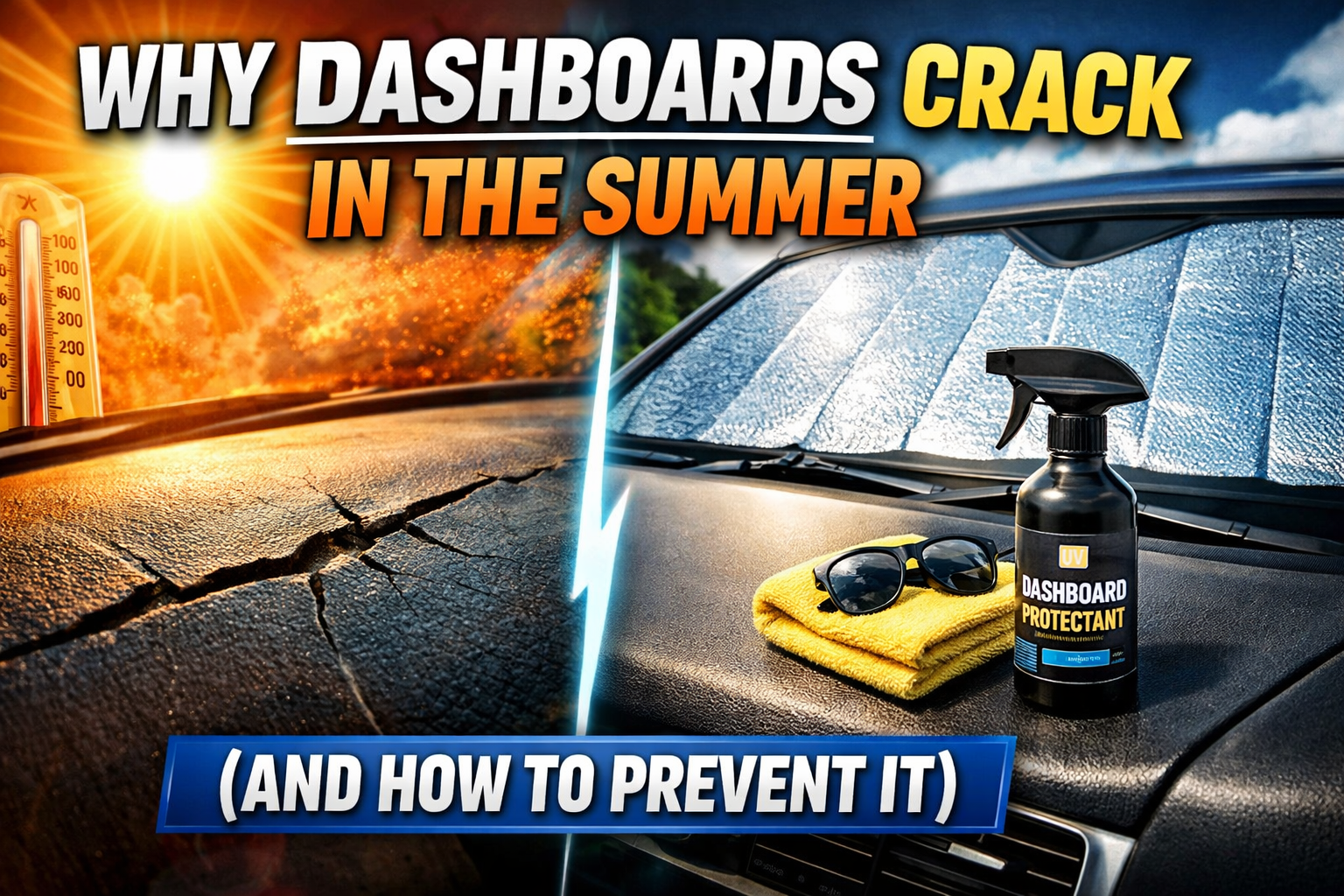
The Summer Dashboard Problem Most Drivers Ignore Step into your car on a blazing Chicago afternoon and the heat hits you like a wall. The steering wheel is hot. The seats feel like they have been sitting in an oven. And right in front of you, the dashboard that once looked smooth and rich now shows something unsettling. Fading near the windshield. A dull chalky patch. Maybe even the first thin crack spreading across the surface. Most drivers assume this kind of damage simply comes with age. In reality the real culprit is summer itself. Months of intense sunlight and rising interior temperatures quietly attack the materials that make up your dashboard. Day after day ultraviolet radiation and extreme heat weaken the plastics and vinyl that protect the structure underneath. Over time those materials lose flexibility and strength. The combination of heat ultraviolet exposure and repeated expansion and contraction slowly turns once durable surfaces into brittle ones. Eventually the material gives up and splits. The good news is that this process is not inevitable. With the right protection, consistent care and proper interior maintenance the damage can be slowed dramatically and in many cases prevented. That is why professional interior care matters. Shops that specialize in protecting vehicle interiors such as Chicago Auto Pros spend a great deal of time focusing on preventative treatments that help dashboards stay flexible, clean and protected from the harshest elements of summer. What Your Dashboard Is Made Of And Why It Matters At first glance a dashboard looks like a single solid piece of material. In reality it is built more like a layered structure designed for both strength and comfort. Most modern dashboards contain three main components working together. The base layer is a rigid plastic structure that provides shape and support. Above that sits a foam cushioning layer which gives the dashboard its slightly soft feel and helps absorb vibrations. The final outer surface is typically made from vinyl PVC or polyurethane which creates the visible finish drivers see and touch every day. This outer skin is the part most vulnerable to damage. Lower cost dashboards often rely on PVC based plastics which are affordable but tend to become brittle faster when exposed to heat and ultraviolet light. Higher quality interiors may use polyurethane or TPU materials which can last longer especially when they include ultraviolet stabilizers designed to resist sunlight. When the protective outer layer begins to fail the changes appear slowly at first. The rich color begins to fade. The surface loses its natural finish and becomes dull. In many cases the material develops a dry chalky appearance near the windshield where sunlight hits hardest. Eventually that weakened surface begins to crack and those cracks can spread across the dashboard over time. Understanding how these materials are constructed makes it much easier to see why summer heat and sunlight can be so destructive. Why Summer Destroys Dashboards Summer conditions create the perfect environment for dashboard damage. Heat ultraviolet radiation and repeated temperature changes combine to slowly weaken the plastics and vinyl used in modern vehicle interiors. Intense Ultraviolet Exposure The largest contributor to dashboard damage is ultraviolet radiation from sunlight. Ultraviolet light breaks chemical bonds inside plastics and vinyl through a process known as photodegradation. As these bonds weaken the material begins to lose its strength and flexibility. The first signs are cosmetic changes such as color fading or a loss of surface gloss. Over time the plastic becomes more brittle which allows small fractures to form. Eventually those fractures turn into visible cracks across the dashboard. This process affects many of the plastics used in modern interiors including PVC polypropylene ABS and TPU. Extreme Interior Temperatures Sunlight does more than deliver ultraviolet radiation. It also heats the interior of a parked vehicle to extreme levels. Even on moderately warm days the interior temperature of a parked car can climb well above one hundred degrees within a short period of time. The dashboard itself absorbs the most direct sunlight and can reach temperatures between one hundred fifty and two hundred degrees when exposed to direct sun through the windshield. At these temperatures the polymers inside plastics and vinyl begin to break down much faster which accelerates any existing damage. Thermal Cycling Summer weather also introduces another hidden stress on dashboard materials. Each day brings a cycle of intense heat followed by cooler evening temperatures. As the dashboard heats up the materials expand slightly. When temperatures drop at night the materials contract again. This repeated expansion and contraction places constant stress on the structure of the material. Over weeks, months and years this fatigue eventually creates tiny fractures within the surface which develop into visible cracks. Loss of Oils and Moisture Another consequence of prolonged sun exposure is the gradual loss of plasticizers and moisture within the dashboard material. Plasticizers help keep vinyl and plastic surfaces flexible. As heat and ultraviolet radiation pull these compounds out of the material the surface begins to dry out. Drivers often notice this stage when the dashboard looks dull, dusty or powdery. Once the surface becomes dry and brittle it becomes far more likely to crack under normal vibration and temperature shifts. Material Quality and Vehicle Age Not all dashboards age the same way. Vehicles built with lower cost PVC materials tend to lose strength faster when exposed to ultraviolet light and heat. Over time these materials reach a point where brittleness becomes unavoidable. Older vehicles, especially those that spend years parked outdoors, often reach this stage sooner which explains why dashboard cracking is more common in aging interiors. Early Warning Signs Before Your Dashboard Cracks Dashboard cracking rarely happens overnight. In most cases the material shows several warning signs long before a visible split appears. Recognizing these early changes can give drivers a chance to protect the surface before the damage becomes permanent. One of the first indicators is fading or uneven discoloration across the dashboard surface. Areas closest to the windshield often lose their rich color first because they receive the most direct sunlight. Another common sign is a dry or chalky surface texture. Instead of looking smooth and healthy the material may appear dull or dusty even after cleaning. This usually means the dashboard is losing the oils and plasticizers that keep it flexible. Drivers may also notice that the dashboard feels stiff or brittle when touched near the windshield. Healthy interior materials should feel slightly flexible. When they begin to harden it often means the material is weakening. Surface dullness and a loss of gloss are also early indicators that ultraviolet exposure is beginning to degrade the dashboard finish. Once cracks appear the situation changes dramatically. Permanent repairs become difficult and most solutions are cosmetic rather than structural. Drivers are often left choosing between dash caps, decorative covers or a full dashboard replacement. Because of this prevention becomes far more affordable and practical than repairing severe damage later. How To Prevent Your Dashboard From Cracking Preventing dashboard damage comes down to reducing sunlight exposure, controlling interior temperatures and maintaining the material properly. Small habits and protective measures can significantly slow the damage that heat and ultraviolet radiation cause during the summer months. Block the Sun The most effective way to protect a dashboard is to limit the amount of direct sunlight that reaches it. A reflective windshield sunshade is one of the simplest tools available. When placed inside the windshield it reflects sunlight away from the dashboard and reduces the amount of heat trapped inside the vehicle. Lower interior temperatures mean less stress on dashboard materials. Parking in shade whenever possible also makes a major difference. Garages, carports and even shaded parking under trees can dramatically reduce ultraviolet exposure over the life of a vehicle. For vehicles that spend long periods parked outdoors a breathable car cover can add another layer of protection. By shielding the windshield and interior from sunlight it helps prevent heat buildup and ultraviolet damage to the dashboard surface. Add Ultraviolet and Heat Protection Another effective strategy is adding protective layers that reduce the amount of ultraviolet radiation entering the vehicle. Quality window tint can block a large portion of incoming ultraviolet light while also reducing solar heat. By lowering interior temperatures and limiting ultraviolet exposure window tint helps slow the fading and deterioration that lead to dashboard cracking. Ultraviolet protectant dashboard conditioners can also help maintain the flexibility of interior materials. These products create a protective barrier that reduces sun damage while helping the material retain its natural softness. Regular application is important especially during the summer months when sunlight exposure is strongest. Some vehicle manufacturers also incorporate ultraviolet stabilizers into the materials used for dashboards. These additives improve resistance to fading and cracking in regions where intense sunlight is common. Control Interior Temperatures Managing interior heat is another key part of protecting dashboard materials. When safe to do so, leaving the windows cracked slightly can allow trapped hot air to escape from the vehicle. Even a small amount of airflow can reduce peak interior temperatures. Using the vehicle climate system strategically can also help. When entering a hot vehicle it is often best to begin with fresh air and high fan speed to push hot air out of the cabin. After the temperature drops the system can switch to recirculation to cool the interior more efficiently. Drivers should also avoid directing extremely cold air onto a dashboard that has been sitting in intense heat. Rapid temperature changes can add stress to already heated materials. Maintain the Dashboard Properly Routine maintenance plays a major role in extending the life of dashboard materials. Regular cleaning removes dust and contaminants that can degrade surfaces over time. Using interior safe cleaners designed for automotive plastics helps prevent chemical damage that can occur with harsh household products. It is also important to avoid greasy dressings that leave heavy residues. Silicone rich products often attract dust and may not provide long term ultraviolet protection. A low gloss protectant designed specifically for dashboards is typically a better choice. Drivers should also respond quickly to early signs of wear. If fading dryness or surface dullness begins to appear, applying protective treatments and reducing sun exposure can slow further damage before cracks form. Why Prevention Is Cheaper Than Dashboard Replacement Once a dashboard develops visible cracks, repair options become limited. Most solutions address the appearance rather than restoring the original material. Many drivers install dash caps which cover the damaged area with a molded overlay. Others use cosmetic covers that hide cracks but do not repair the underlying material. In severe cases the only permanent solution is replacing the entire dashboard assembly. Dashboard replacement is often expensive due to the labor involved in removing interior components and installing a new structure. Compared with those costs, preventative care is far more affordable. Consistent interior maintenance, ultraviolet protection and proper temperature management can extend the life of dashboard materials for years. For drivers who want to preserve the condition of their interior, professional interior detailing can also play a valuable role. Proper cleaning protective treatments and regular care help shield dashboards from the harsh conditions that cause cracking in the first place. Protecting Your Dashboard Before Summer Damage Starts Summer places enormous stress on vehicle interiors, and dashboards often take the brunt of that exposure. Day after day sunlight pours through the windshield while heat builds inside the cabin. Over time this combination slowly weakens the plastics and vinyl that make up the dashboard surface. Cracking is rarely the first stage of damage. In most cases it is the final result of months or even years of ultraviolet exposure, extreme heat, and gradual material breakdown. By the time visible splits appear the dashboard has already gone through fading, drying, and structural weakening. The encouraging part is that much of this damage can be slowed with a few consistent habits. Using windshield sunshades, reducing direct sunlight when parking, applying ultraviolet protectants, and maintaining the dashboard with safe interior products can dramatically extend the life of these materials. Regular care also helps preserve the overall appearance and value of a vehicle interior. Professional interior detailing adds another layer of protection by properly cleaning surfaces and applying treatments designed to keep dashboard materials flexible and shielded from sunlight. With the right approach drivers can keep their dashboards looking healthy and intact long before summer damage ever has a chance to take hold.
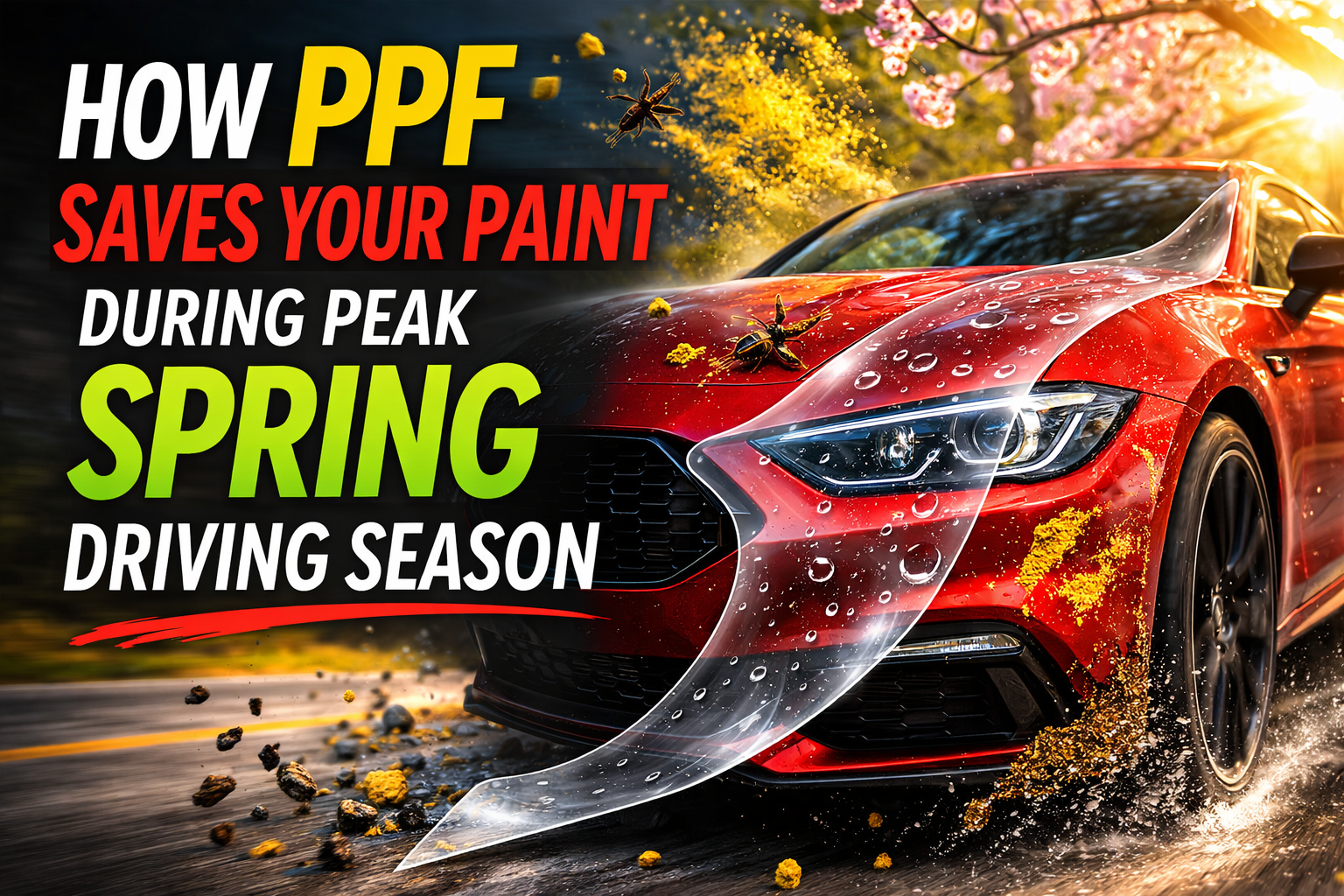
Spring Driving Is Great Until It Starts Eating Your Paint Spring in the Midwest has a way of pulling drivers back onto the road. After months of gray skies and salted pavement, the season arrives with warmer air, longer evenings, and the irresistible urge to take the long way home. Weekend drives open up again. Road trips return to the calendar. Your car finally gets to stretch its legs. But there is a hidden downside to all this fresh air and open road. Spring is quietly one of the harshest seasons for your vehicle’s paint. As the weather warms, the environment throws a surprising mix of threats at your car’s finish. Pollen drifts through the air and settles into every surface. Bugs appear in swarms and leave acidic residue behind. Tree sap drops from branches and bonds to clear coat. Gravel and loose debris scatter across roads damaged by winter. At the same time the sun begins delivering stronger ultraviolet exposure that slowly fades and weakens paint. This is where modern paint protection enters the conversation. Paint Protection Film, commonly called PPF, acts as a transparent barrier between your vehicle’s paint and everything the season throws at it. Instead of contaminants striking your clear coat directly, they meet a durable layer designed to absorb the abuse. Of course, the effectiveness of PPF depends heavily on how it is installed. Precision fitting, proper surface preparation, and experienced application all play a role in how well the film performs over time. That is why many drivers rely on professional detailers such as Chicago Auto Pros to install paint protection correctly and ensure it actually delivers the protection it promises. Why Spring Is One of the Most Dangerous Seasons for Car Paint Spring’s Attack on Paint Spring feels gentle to people, but to automotive paint it can be surprisingly aggressive. As the environment shifts from winter to summer, several different contaminants appear at once, each capable of damaging a vehicle’s finish in its own way. Pollen The Silent Paint Scratcher Pollen may look soft when it collects on windshields and sidewalks, but under magnification those tiny particles can behave like abrasive dust. When pollen settles on your car and is moved across the surface during driving or washing, it can leave behind fine scratches in the clear coat. The issue does not stop with scratching. Pollen contains natural acids that can slowly react with paint surfaces. If it remains on the vehicle for extended periods, those acids can contribute to oxidation and discoloration, dulling the shine that makes a well maintained car stand out. Bug Splatter and Acidic Residue Warmer temperatures bring insects back in large numbers, especially during evening drives and highway travel. When bugs collide with the front of a moving vehicle they leave behind residue that is more than just unpleasant to look at. Insect remains contain acidic compounds that begin breaking down clear coats surprisingly quickly. If bug splatter sits on paint for days under warm sunlight, it can etch into the surface and leave permanent marks that are difficult to remove. Tree Sap and Chemical Bonding Spring is also the season when trees release sap. Park beneath the wrong branch and your vehicle may collect sticky droplets that cling tightly to the paint. Sap can bond chemically with the clear coat layer, especially when exposed to warmth and sunlight. Over time it hardens and becomes difficult to remove without aggressive cleaning or polishing, both of which risk further damage to the finish. Road Debris from Spring Travel and Construction Road Construction Season PPF Benefits As cities begin repairing roads after winter damage, construction zones appear everywhere. At the same time thaw cycles leave behind potholes and loose gravel scattered across highways and side streets. Every passing vehicle can kick up small stones and debris that strike nearby cars at speed. Even a tiny rock can chip through a clear coat and expose the paint underneath. With more people taking road trips and commuting in warmer weather, the chances of encountering this debris increase significantly. UV Rays Begin Their Seasonal Assault The sun grows stronger as spring progresses, bringing longer daylight hours and more direct ultraviolet exposure. While sunlight makes the season enjoyable for drivers, it can be harsh on automotive finishes. Ultraviolet radiation gradually breaks down paint pigments and weakens clear coats. Over time this exposure causes fading, loss of gloss, and surface degradation that can make even newer vehicles appear older than they are. What Exactly Is Paint Protection Film (PPF) Paint Protection Film, often shortened to PPF, is a transparent layer of polyurethane material designed specifically to shield a vehicle’s paint from environmental damage. Once applied to the exterior surface, the film acts as a sacrificial barrier that absorbs impacts and contamination before they reach the paint underneath. Modern PPF is typically between six and ten mils thick. This thickness allows the material to absorb the energy from small rocks, road debris, and other hazards that would normally chip or scratch a vehicle’s finish. The film can be installed on the entire vehicle or focused on areas that take the most abuse, such as the front bumper, hood, fenders, mirrors, and door edges. These high impact zones are the places where rock chips and environmental contaminants most often strike. Because the material must be carefully cut, positioned, and applied without trapped air or stretching errors, installation plays a major role in how well PPF performs. Professional installers use specialized tools, controlled environments, and precise techniques to ensure the film adheres correctly and lasts for years. Shops such as Chicago Auto Pros specialize in this process, helping drivers protect their vehicles with properly installed paint protection that maintains both appearance and long term value. How PPF Protects Your Vehicle During Spring Driving PPF vs Environmental Contaminants Spring introduces a mix of environmental hazards that can quickly take a toll on a vehicle’s exterior. Paint Protection Film works by creating a durable transparent shield that stands between your paint and the elements. Instead of allowing contaminants and debris to strike the clear coat directly, the film absorbs the abuse and prevents damage from reaching the paint underneath. Because the material is engineered specifically for automotive protection, it combines thickness, flexibility, and advanced surface technology to handle the most common threats drivers face during peak spring driving. Rock Chip Protection from Road Debris PPF Rock Chip Protection One of the most immediate threats to a vehicle’s paint during spring driving is road debris. Loose gravel, stones kicked up by traffic, and rough pavement left behind by winter all create the perfect conditions for rock chips. Paint Protection Film uses a thick polyurethane layer designed to absorb these impacts. When a rock or piece of debris strikes the surface, the film spreads the force across the material rather than allowing it to concentrate in one spot. This dispersal of energy prevents the impact from penetrating through to the paint below. Instead of leaving behind a permanent chip in the finish, the film takes the hit and preserves the original paintwork. Hydrophobic Protection Against Pollen Bugs and Sap PPF vs Spring Dust and Pollen Spring contamination often begins with substances that settle onto the vehicle’s surface. Pollen coats cars in a fine layer of dust. Bugs accumulate on the front end after highway driving. Tree sap drips onto roofs and hoods when parked beneath branches. Paint Protection Film includes hydrophobic surface properties that help repel many of these contaminants. Water and residue tend to bead on the surface rather than sticking aggressively to the paint. This behavior makes routine cleaning far easier. When contaminants release more easily during washing, there is less need for aggressive scrubbing that can introduce scratches or swirl marks into the clear coat. Self Healing Technology That Erases Minor Damage Self Healing PPF Explained Another advantage of modern Paint Protection Film is its ability to recover from minor surface damage. Small swirls and light marks can appear on any exterior surface over time, especially during washing or everyday use. PPF contains polymers that respond to heat. When exposed to sunlight or warm water, the material softens slightly and allows the surface to reform. Minor imperfections gradually fade as the film returns to its original smooth structure. This self repairing ability helps maintain a clean and glossy appearance without the need for constant polishing. Built In UV Resistance Spring also marks the return of stronger sunlight, which introduces long periods of ultraviolet exposure. Over time these rays break down paint pigments and weaken the protective clear coat. Paint Protection Film is designed with UV resistance that helps shield the paint from this damage. By blocking much of the ultraviolet radiation, the film slows the fading process and protects the surface from oxidation and cracking. The result is a finish that keeps its original color and gloss for much longer, even as the seasons bring stronger sunlight. Why Spring Is the Best Time to Install PPF Timing plays an important role in how effective paint protection can be. Many vehicles come out of winter carrying the effects of months of harsh weather. Salt residue, road grime, and small paint imperfections often linger after the colder season ends. Spring is the ideal moment to address these issues and add protection before the next round of environmental hazards begins. As temperatures rise, people drive more frequently and travel longer distances. Weekend road trips return, construction zones expand, and pollen levels increase across much of the Midwest. All of these conditions create more opportunities for paint damage. Installing Paint Protection Film early in the season places a protective barrier on the vehicle before these threats reach their peak. Rather than reacting to damage after it appears, drivers can prevent many of the most common problems before they begin. Midwest Spring Conditions Why Protection Matters Even More Iowa Spring Car Prep Drivers in the Midwest face a unique mix of environmental challenges during the spring months. The transition from winter to warmer weather brings several conditions that can accelerate paint wear if a vehicle is left unprotected. Residual Winter Salt and Grime Even after the snow disappears, traces of winter road salt often remain on streets and highways. These residues can cling to vehicle surfaces and continue interacting with paint long after winter has ended. If left untreated, salt can contribute to corrosion and gradual surface deterioration. A properly protected exterior helps create a barrier between the paint and these lingering contaminants. Potholes and Gravel from Freeze Thaw Cycles Midwest winters frequently leave behind damaged pavement once temperatures begin to rise. Freeze and thaw cycles break apart road surfaces, creating potholes and scattering loose gravel across driving lanes. These rough road conditions increase the likelihood of rocks striking the front of a vehicle. Each small impact carries the potential to chip paint unless a protective layer is present. Heavy Spring Pollen Spring pollen in the Midwest often arrives in dense waves that coat vehicles within hours. Trees release massive quantities of airborne particles that settle on every exposed surface. When pollen accumulates and mixes with moisture or is dragged across paint during cleaning, it can create scratches and chemical reactions that dull the finish. A protected surface helps reduce how strongly these particles interact with the paint and makes removal much easier during routine washing. Professional Installation vs DIY PPF Paint Protection Film is only as effective as the way it is installed. While the material itself is engineered to protect automotive paint, proper installation determines whether that protection performs as intended or fails prematurely. The process begins with careful surface preparation. Paint must be thoroughly cleaned and corrected so that the film bonds evenly to the surface. Even small particles of dust or leftover contaminants can interfere with adhesion and create imperfections beneath the film. DIY kits often promise a quick solution, but they rarely account for the precision required during installation. Without the right tools and experience, it is easy to introduce bubbles beneath the film, stretch the material unevenly, or misalign sections during placement. Edges may begin to lift over time, and poorly fitted film can leave parts of the vehicle exposed. Professional installers approach the process differently. Experienced technicians use controlled environments, specialized cutting templates, and installation techniques that allow the film to conform smoothly to complex body panels. This precision ensures full coverage across vulnerable areas while maintaining a nearly invisible finish. For drivers who want reliable protection, many turn to professional detailers with extensive experience in paint protection. Chicago Auto Pros has built a reputation in the Chicago area for installing PPF with the precision and care required to deliver long lasting results. The Long Term Benefits of PPF for Your Vehicle Paint Protection Film does more than shield a vehicle from seasonal hazards. It also plays a sign ificant role in preserving the long term appearance and value of the car. One of the most immediate benefits is the preservation of resale value. Vehicles with well maintained paint tend to command higher prices on the market. When the original finish remains clean and free from chips or fading, buyers often view the vehicle as better cared for overall. PPF also helps preserve the factory paint itself. The original finish applied by manufacturers is extremely difficult to replicate once damaged. By placing a protective layer over that paint, the film helps maintain the exact color, gloss, and texture the vehicle had when it left the factory. Maintenance becomes easier as well. Because contaminants have a harder time bonding to the film, routine washing often requires less effort. Surfaces remain smoother and are less likely to develop the swirl marks that sometimes appear during aggressive cleaning. Perhaps most importantly, PPF can prevent costly repairs. Rock chips, etched surfaces, and faded paint often lead drivers toward repainting or paint correction services. By absorbing damage before it reaches the clear coat, the film can save owners from expensive restoration work later. Spring Driving Should Not Mean Paint Damage Spring driving brings a welcome change after months of winter weather. Roads open up, travel increases, and vehicles spend far more time outdoors enjoying the season. At the same time, the environment introduces a wide range of hazards that can quietly damage automotive paint. Pollen settles onto every surface. Bug residue accumulates during highway driving. Tree sap drips from branches above parking spots. Gravel and debris scatter across roads that are still recovering from winter damage. Stronger sunlight begins its steady exposure to ultraviolet radiation. Paint Protection Film offers one of the most reliable ways to defend against these threats. By creating a durable transparent layer over the paint, it absorbs impacts, repels contaminants, and helps preserve the appearance of the vehicle throughout the busiest driving months. For drivers who want to protect their vehicles before peak spring travel begins, professional installation can make all the difference. Experienced detailers such as Chicago Auto Pros provide precise PPF application that helps ensure the protection performs exactly as intended. Protecting the paint now can help keep a vehicle looking newer for years to come.

The Springtime Smell Nobody Talks About The first truly warm day of the year should feel like a reset. Windows come down. Sunlight hits the dashboard again. The city shakes off winter. Yet for many drivers the moment they turn on the fan, something unpleasant pushes back into the cabin. A sour, damp smell rolls through the vents and suddenly the car feels less like a fresh start and more like a forgotten basement. That smell rarely appears by accident. Spring conditions create the perfect storm inside a vehicle’s ventilation system. Pollen fills the air outside. Humidity begins to rise. At the same time moisture and debris left behind from months of winter driving wake up inside the HVAC system. What sat quietly during freezing temperatures can quickly turn into an odor problem once airflow starts moving again. In many cases that smell points to something more than a minor nuisance. Musty cabin air often means mold or bacteria has begun forming inside damp vents or evaporator components. It can also signal a cabin air filter that has become packed with dust, pollen, and winter debris. When the system starts circulating air again, those contaminants spread throughout the interior. Drivers in Chicago experience this more than most. Long winters mean constant snow, slush, and defrost cycles that push moisture through the ventilation system for months at a time. When spring arrives, heavy Midwest pollen adds another layer of buildup. The result is a cabin environment that can quickly develop stubborn odors if it is not cleaned or maintained properly. To understand why this happens, it helps to look at what winter leaves behind inside your vehicle and how spring conditions activate the problem. Why Cabin Air Smells Worse in Spring Winter Left Moisture in Your HVAC System Throughout winter your vehicle works overtime to manage cold weather and visibility. Snow melts on the windshield. Defrosters run constantly. Rain and slush track into the vehicle. Each of these factors introduces moisture into the ventilation system. That moisture often collects inside vents, ducting, and the evaporator coil where air conditioning condensation normally drains away. During freezing temperatures much of that dampness remains inactive. Once temperatures rise in spring the environment inside the system becomes warm and humid enough for mold and mildew to grow. When the fan begins pushing air through those areas again, the smell of damp microbial growth travels directly into the cabin. Spring Pollen Overloads Your Cabin Air Filter Spring also introduces another problem that many drivers overlook. Pollen levels rise dramatically and that pollen quickly finds its way into your vehicle’s air intake. The cabin air filter is designed to capture those particles before they enter the interior. Over time the filter traps dust, pollen, and debris from daily driving. After a long winter that filter is often already partially clogged. When heavy spring pollen arrives, the filter becomes overwhelmed. Air struggles to pass through the dense layer of debris and trapped organic material. As airflow pushes through the filter, those particles can release a sour or earthy odor that spreads through the vents. Your Evaporator Coil May Be Growing Bacteria Another common source of springtime odor hides deeper inside the HVAC system. The evaporator coil, which is responsible for cooling air when the air conditioner runs, naturally collects condensation during normal operation. Over months of winter driving moisture can remain on that coil or in surrounding ductwork. When warmer spring air begins circulating through the system, bacteria and mold can develop in those damp areas. The result often appears the moment the air conditioner turns on for the first time after winter. As air flows across the evaporator surface it carries the odor of microbial growth directly into the cabin, producing the familiar musty smell many drivers notice at the start of spring. The Most Common Signs Your Cabin Filter Is the Problem A dirty cabin air filter is one of the most common reasons a car begins to smell unpleasant in spring. After months of trapping dust, road debris, and winter moisture, the filter can become saturated with contaminants. When fresh air begins moving through the system again, those trapped particles release odors directly into the cabin. One of the first warning signs is a musty smell that appears as soon as the fan or air conditioner is turned on. The odor may fade after a few minutes but it often returns each time the system starts up. Drivers may also notice weaker airflow coming from the vents. When the filter becomes clogged with pollen and debris, air struggles to pass through it. The result is reduced ventilation and a cabin that takes longer to heat or cool. Another common clue is an odor that lingers even after driving for a while. Instead of disappearing once the vehicle warms up, the smell remains in the background, especially when the fan is running. Some people also experience increased allergy symptoms inside the vehicle. Sneezing, itchy eyes, and irritation can all signal that pollen and dust are circulating through the interior instead of being properly filtered. These symptoms often become more noticeable during spring when pollen levels are high. Because the cabin air filter acts as the primary barrier between outside contaminants and the air you breathe inside the car, keeping it clean is one of the simplest ways to maintain fresh cabin air. Quick Fixes You Can Try First If your vehicle has started to develop a musty smell, there are a few straightforward steps that can often resolve the issue before it becomes more serious. Many of these fixes can be done at home and require only basic tools and supplies. Replace Your Cabin Air Filter The first and most effective step is replacing the cabin air filter. Most manufacturers recommend changing the filter every twelve thousand to fifteen thousad miles or about once a year, though vehicles driven through heavy pollen or dusty environments may need more frequent replacements. In many cars the filter sits behind the glove box. Access usually requires lowering the glove compartment and removing a small access panel. Once the panel is removed the filter slides out easily and can be replaced with a new one. Installing a fresh filter immediately improves airflow and removes one of the most common sources of interior odor. Disinfect Your HVAC System If the smell persists after replacing the filter, the ventilation system itself may contain mold or bacteria. A simple disinfectant treatment can help eliminate microbial growth inside the system. Many automotive HVAC cleaners or disinfectant sprays are designed for this purpose. The product is sprayed into the vehicle air intake while the fan is running. Windows should remain open during the process so the cleaner can circulate through the vents and carry odors out of the cabin. This treatment helps neutralize mold and bacteria that may have developed during the winter months. Dry Out the System After Driving Moisture is one of the main reasons odors form inside HVAC systems. A simple habit can help reduce that moisture. Before parking the vehicle, turn off the air conditioner and run the fan alone for about ten minutes. This allows warm air to move through the system and helps dry out the evaporator and surrounding components. Reducing moisture makes it much harder for mold and mildew to develop inside the ventilation system. Step by Step DIY Repair Guide For drivers who want a more thorough solution, a basic cleaning process can help remove odors from both the ventilation system and interior surfaces. The following steps walk through a simple do it yourself approach. Step 1: Locate and Remove the Cabin Air Filter Start by lowering the glove box to access the cabin air filter compartment. Most vehicles include a small access door behind the glove compartment that covers the filter housing. Once the access door is removed, carefully slide out the old cabin air filter. Take note of how the filter is positioned so the replacement can be installed correctly. Step 2: Clean the Filter Housing Before installing a new filter, inspect the filter housing. Dust, leaves, and debris often collect inside the compartment. Use a vacuum or cloth to remove loose material. Wipe the interior of the housing to remove remaining dust so the new filter sits in a clean environment. Step 3: Install a New Filter Insert the new cabin air filter into the housing. Make sure the airflow arrow printed on the filter faces the correct direction according to the vehicle instructions. Once the filter is properly positioned, reinstall the access door and return the glove box to its normal position. Step 4: Clean the Evaporator System With the new filter temporarily removed again, spray a disinfectant or HVAC cleaner through the external air intake located near the base of the windshield under the hood. After applying the cleaner, start the vehicle and run the fan using recirculate mode. This allows the disinfectant to move through the ventilation system and reach areas where mold or bacteria may be present. Step 5: Clean Interior Surfaces Odors can also cling to interior surfaces. Vacuum the floor mats, carpets, and air vents to remove pollen and debris that may have entered the vehicle. After vacuuming, wipe the dashboard and nearby surfaces using a microfiber cloth. This step helps remove fine dust and pollen that contribute to lingering odors. Step 6: Test the System Once cleaning is complete, reinstall the cabin air filter and run the air conditioner on high for about five minutes. Pay attention to the air coming from the vents. If the odor remains, repeating the disinfectant treatment may help remove remaining bacteria or mold within the system. How to Prevent Springtime Cabin Odors Preventing unpleasant smells in your vehicle often comes down to simple maintenance habits before spring pollen and humidity fully arrive. Taking a few proactive steps can keep your cabin air cleaner and help prevent mold and bacteria from developing inside the ventilation system. Replace Cabin Filters Before Pollen Season One of the most effective preventative steps is replacing the cabin air filter before spring pollen levels peak. A fresh filter prevents the system from becoming overloaded with dust and organic debris that can produce odors over time. This step is especially important in regions with strong seasonal pollen activity such as the Midwest. In cities like Chicago the combination of winter road grime and heavy spring pollen can quickly overwhelm an old filter. Installing a new one before the season begins helps maintain clean airflow and reduces the chance of unpleasant smells circulating through the interior. Use Recirculate Mode Strategically Using the recirculate setting on your climate control system can help limit the amount of outside pollen entering the vehicle. When recirculate mode is active the system draws air from inside the cabin rather than pulling new air from outside. This reduces the amount of pollen and dust that reaches the cabin air filter and ventilation components. While it should not be used constantly, switching to recirculate during heavy pollen days can help reduce buildup inside the HVAC system. Park in Shade When Possible Parking in shaded areas can also help reduce odor forming conditions inside the vehicle. Direct sunlight raises interior temperatures and can create warm humid conditions that encourage bacteria and mildew growth in damp areas. Keeping the vehicle cooler when parked helps limit moisture buildup inside vents and upholstery. Over time this simple habit can reduce the likelihood of mold developing inside the ventilation system. Upgrade to Activated Charcoal Filters Drivers who regularly deal with pollen or urban pollution may benefit from upgrading to an activated charcoal cabin air filter. These filters contain a carbon layer designed to absorb odors and trap smaller airborne contaminants. Compared with standard filters, charcoal filters can provide improved odor control and better protection against pollen and airborne pollutants. This added filtration helps maintain fresher air inside the cabin throughout the spring season. When DIY Is Not Enough While simple maintenance steps can resolve many odor issues, some situations require more than a filter replacement or disinfectant spray. In certain cases the source of the smell is buried deeper inside the ventilation system. Mold and bacteria can develop within the evaporator core, air ducts, or areas of the HVAC system that are difficult to reach with basic cleaning products. When microbial growth becomes established in these areas the smell may return even after multiple cleaning attempts. Interior materials can also contribute to persistent odors. Carpets, seat fabric, and floor mats absorb moisture during winter months and can trap pollen and organic debris. As temperatures rise those materials may release lingering smells that circulate throughout the cabin. In these situations professional interior and HVAC detailing can make a significant difference. A thorough cleaning process targets both the ventilation system and the surfaces inside the vehicle where odors often hide. Removing embedded contaminants helps restore the interior environment rather than simply masking the smell. How Professional Detailing Eliminates Cabin Odors Professional detailing focuses on addressing the root causes of odor rather than temporarily covering them up. When performed correctly it removes contaminants from the interior surfaces and the ventilation system that contribute to persistent smells. Interior Decontamination A comprehensive interior decontamination process begins with deep cleaning carpets, upholstery, and interior surfaces. Specialized equipment extracts dirt, pollen, and moisture from fabrics and floor materials that often trap odors after winter. Air vents and hard surfaces are also carefully cleaned to remove fine dust and debris that circulate through the cabin during normal driving. HVAC System Treatment Detailing professionals can also treat the ventilation system itself. Professional grade disinfectants are applied to eliminate mold and bacteria inside vents and HVAC components. These treatments are designed to reach areas of the system that are difficult to clean with basic consumer products, helping remove microbial growth that produces musty smells. Filter Replacement and Odor Neutralization As part of a complete service the cabin air filter may be replaced with a high quality activated carbon filter to improve filtration and odor absorption. Additional odor neutralization techniques may also be used to restore clean cabin air. Treatments such as ozone based odor removal or other professional odor neutralizing processes help eliminate lingering smells at their source. For drivers dealing with stubborn spring odors, this type of detailed cleaning can reset the interior environment and bring the cabin back to the fresh feeling most people expect when the warmer months arrive. In cities like Chicago where winter conditions are especially harsh, periodic professional detailing can play an important role in maintaining a clean and healthy vehicle interior. Why Chicago Drivers Deal With This More Often Drivers in Chicago often notice cabin odors more quickly than drivers in many other parts of the country. The reason comes down to the unique combination of seasonal conditions that vehicles experience throughout the year. Winter in the Chicago area brings extended periods of snow, ice, and road salt. As drivers enter and exit their vehicles, moisture from snow and slush is constantly introduced into the interior and ventilation system. Over time that moisture can collect inside vents, floor materials, and HVAC components. Frequent use of the defroster during winter also plays a role. Defrost systems push warm air through the ventilation system to clear the windshield, which increases the amount of condensation inside the HVAC components. While this process keeps drivers safe during icy conditions, it also creates damp environments where mold and bacteria can develop once temperatures begin to rise. When spring arrives, the Midwest experiences a sharp increase in airborne pollen. Trees and plants release large amounts of pollen into the air, and vehicles pull that pollen into their ventilation systems through the external air intake. Cabin air filters that already contain winter debris can quickly become overloaded. Spring weather in the region also brings rapid shifts in temperature and humidity. Warm days followed by cool nights create cycles of condensation inside vehicles. These moisture changes further encourage microbial growth inside vents and evaporator components. Because Chicago drivers deal with all of these conditions in a relatively short period of time, cabin odor issues often appear right as the weather begins to warm. Regular maintenance and interior care can make a noticeable difference in preventing those seasonal smells from taking hold. Clean Air Makes Spring Driving Better A musty smell inside your vehicle during spring is usually a sign that winter left more behind than just road salt and debris. Moisture trapped inside the ventilation system, heavy pollen entering the air intake, and clogged cabin air filters all contribute to odors that circulate through the interior. Fortunately many of the most common causes have straightforward solutions. Replacing the cabin air filter, cleaning the HVAC system, and allowing the ventilation system to dry out after driving can often improve cabin air quality quickly. Preventative maintenance also plays a key role. Installing a new filter before pollen season begins and keeping the interior clean can reduce the buildup of contaminants that lead to unpleasant smells. For vehicles with deeper odor issues, a thorough interior and ventilation cleaning can help restore the cabin environment. Professional detailing treatments remove embedded debris, neutralize odors, and clean areas of the HVAC system that are difficult to reach with basic products. When the interior air is fresh again, spring driving becomes what it should be. A comfortable space where the focus returns to open roads, warmer weather, and the simple enjoyment of the season ahead.

Lake Michigan Is Not Just Another Lake At eight in the morning the marina feels like a postcard. Lines creak softly against the dock. The water looks obedient, almost glassy. Coffee steams in stainless tumblers. It is easy to believe you are launching into something gentle. By noon, Lake Michigan has other ideas. Three foot chop rolls in without ceremony. The wind shifts. The shoreline disappears into haze. What felt like a pleasure cruise now demands attention, balance, and a boat that responds instantly when you ask it to. Then there is the cold. Even in June the water temperature can turn a simple mechanical issue into a serious situation. Air temperatures rise, decks warm under the sun, but beneath the hull the lake holds onto winter. That contrast is not poetic. It is physical. It is unforgiving. This is why a quick rinse and go approach does not cut it in Chicago. Lake Michigan is not a lazy inland lake where cosmetic prep and a hopeful key turn are enough. It rewards preparation and exposes shortcuts. Proper summer prep means safety. It means reliability when the weather shifts. It means protection against sun and freshwater oxidation. It means presentation, because how your boat looks in July is determined by what you did in April. The boats that still shine in mid season, that run clean and confident when the chop builds, were not prepped casually. They were prepared with intention. Every system checked. Every surface is protected. Nothing left to chance. Spring Commissioning: Wake It Up the Right Way A. Structured De Winterizing Bringing a boat out of storage is not about turning the key and hoping for the best. It is a process. A deliberate reactivation of systems that have been dormant for months. Start with the engine and cooling systems. Confirm that everything is ready to move fluid and manage heat the way it was designed to. Move through plumbing and electrical systems methodically. Check pumps. Verify that switches respond. Make sure nothing was compromised during storage. Inspect belts for cracking or glazing. Replace worn filters. Examine hoses for brittleness or soft spots. Small components fail first, and on open water small failures escalate quickly. If oil and filter changes were not completed before storage, handle them now. Fresh oil protects internal components and gives you a clean baseline for the season. While you are there, clean the engine compartment thoroughly. A clean bilge and engine bay make leaks visible. They make issues obvious before they become expensive. Before launch, test everything. Steering should feel smooth and direct. Gear shifts should engage cleanly. Confirm the kill switch functions properly. Power up navigation lights and ensure they are bright and reliable. Treat this as a rehearsal for open water, not a formality at the dock. B. Why Lake Michigan Demands Precision Lake Michigan encourages long runs. Offshore cruising, skyline views, distant harbors. Those miles demand mechanical confidence. There is no margin for neglect when you are miles from shore and conditions begin to shift. A loose belt or aging hose that might have survived a calm inland lake can become the weak link out here. Cold water compounds every mistake. A breakdown is no longer an inconvenience. It is exposure. It is a vulnerability. Precision in the spring is insurance for the moments when the lake decides to test you. C. Transition to Protection Once the systems are sound and the mechanical foundation is solid, attention turns outward. Because while engines sit quietly through winter, gelcoat and exterior surfaces have endured months of storage, moisture, and environmental stress. Freshwater sun reflects hard off Lake Michigan. Oxidation does not wait for mid season. It begins the moment the boat is exposed again. Mechanical readiness gets you off the dock. Exterior protection keeps your boat looking sharp, performing efficiently, and holding its value long after the first big weekend on the water. Hull, Prop and Running Gear: Performance Starts Below the Waterline A. Hull Inspection While Out of Water Before the boat ever touches Lake Michigan this season, step back and study the hull with intention. This is where performance begins. Look closely for blisters, cracks, and stress marks. Even small imperfections can widen under the pressure of chop and repeated impact. Catching them early protects both safety and long term value. Inspect through hull fittings carefully. Confirm drain plugs are present and properly seated. Check scuppers for debris or blockage that could prevent proper drainage. These are simple details that prevent serious headaches. Open the bilge and clean it thoroughly. A clean bilge is not about appearance. It allows you to spot leaks quickly and identify issues before launch. Standing water, stains, or residue can signal problems that deserve attention now, not five miles offshore. B. Propeller and Running Gear Check Shift your focus to the components that translate engine power into forward motion. Examine the propeller for dents, corrosion, or pitting. Even minor imperfections can create vibration, reduce efficiency, and strain the drivetrain. Make sure the prop is secure and free from buildup that could affect balance. Inspect the shaft, strut, trim tabs, and outdrive. Look for signs of wear, looseness, or corrosion. Replace worn anodes so they can continue protecting critical metal components throughout the season. Running gear lives in a harsh environment. Ignoring it is easy. Paying attention to it is what separates smooth confident performance from frustrating mid season repairs. C. Efficiency Equals Safety on Lake Michigan Lake Michigan does not reward inefficiency. Rough water exposes drag. It amplifies vibration. It punishes hulls and props that are neglected. When the lake builds, you want clean tracking and responsive acceleration, not hesitation. Fuel economy also matters more than many owners realize. A neglected prop or fouled hull can quietly reduce speed and increase fuel consumption. Over long runs, that loss compounds. Efficiency is not about squeezing out a few extra knots. It is about range, control, and margin. D. The Authority Advantage Clean and properly protected hulls do more than look impressive at the dock. They move better through the water. They resist staining and oxidation throughout Chicago’s short but intense boating season. Owners who treat hull care as performance maintenance rather than cosmetic indulgence tend to see better results by mid summer. Less drag. Fewer stains. A finish that still reflects the skyline in August. Electrical Systems and Batteries: Cold Storage Consequences A. Battery Health and Secure Connections Months of inactivity take a toll on batteries and electrical systems. Begin by fully charging all batteries. Clean corrosion from terminals and tighten every cable connection. Loose or dirty terminals create unreliable starts and intermittent electrical issues that are difficult to diagnose once you are underway. Confirm that battery mounts are secure and that batteries are properly positioned and protected. Compliance with safety regulations is not optional, and proper installation reduces the risk of movement in rough conditions. B. Test Every System Do not assume anything works simply because it did last fall. Turn on navigation lights and confirm they are bright and fully functional. Activate bilge pumps and verify proper discharge. Sound the horn. Power up GPS units, radios, and onboard electronics. Confirm emergency locator devices activate and hold charge. Each of these systems plays a role in visibility, communication, and response. Testing them at the dock is far easier than troubleshooting them in rolling water. C. Why It Matters on Lake Michigan Conditions on Lake Michigan can shift quickly. Fog can settle in without warning. Wind can build in minutes. Offshore runs place real distance between you and assistance. In those moments, electronics were not convenient. They are survival tools. Reliable lighting, communication, and navigation systems create options. Options create safety. Fuel, Fluids and Engine Health: Prepare for the Long Run A. Fuel System Inspection Inspect fuel lines, tanks, and fittings with care. Look for cracks, softness, leaks, or signs of wear. Tighten connections and replace any compromised components immediately. Fuel issues have a way of revealing themselves at the worst possible time. Address them before launch, not after hesitation at full throttle. B. Fluid Levels and Maintenance Intervals Check coolant levels and confirm the system is ready to manage sustained operation. Inspect hydraulic and steering fluids and top them off according to manufacturer specifications. Review the condition of spark plugs and fuel filters. If they are nearing service intervals, handle them now. Consult the manufacturer schedule and bring maintenance up to date before the season gains momentum. Starting summer with a clean maintenance baseline builds confidence for every mile ahead. C. The One Third Fuel Rule Adopt a disciplined fuel strategy. Use one third of your fuel for the outbound run. Reserve one third for the return. Keep one third in reserve. This simple framework creates a buffer that accounts for weather changes, detours, and unexpected delays. It removes guesswork from range planning. D. Performance Confidence Lake Michigan is not forgiving of fuel miscalculations. Long distances and shifting conditions demand margin. When you push away from the dock with a full understanding of your fuel, fluids, and engine health, you operate from confidence rather than hope. That difference defines the tone of your entire season. Exterior Restoration and UV Protection: Where Most Owners Cut Corners Mechanical systems get attention because they are loud when they fail. Exterior surfaces are quieter. Damage shows up gradually. By the time it is obvious, correction is more aggressive and more expensive. This is where serious preparation separates itself from surface level cleanup. A. Thorough Spring Wash Start with a deliberate wash, not a casual rinse. Remove mineral deposits left behind from last season. Strip away winter grime that settled during storage. Pay attention to water spots, scum lines, and buildup along fittings and rails. While the boat is clean and dry, assess the condition of the bottom paint. Look for uneven wear or areas that may require attention before launch. A proper wash reveals the true condition of the hull. It sets the stage for protection rather than just presentation. B. Gelcoat Assessment Gelcoat tells the story of how a boat has been treated. Look for oxidation that dulls the surface and steals reflection. Notice fading, especially on horizontal panels that absorb the most sun. Identify staining around hardware, near the waterline, and beneath rub rails. Check for porosity, where the surface begins to feel dry and chalky rather than smooth and sealed. These are not cosmetic footnotes. They are early signs of material breakdown. C. Three Step Gelcoat Restoration Framework Effective restoration follows a disciplined process. First comes compounding when needed. This step removes oxidation and levels the surface carefully without stripping more material than necessary. Next is sealant application to fill the porous gelcoat. Proper sealing restores depth and creates a barrier that slows future degradation. Finally, apply a marine grade wax that delivers ultraviolet protection and gloss. This top layer enhances appearance while reinforcing the defense against sun exposure. When executed correctly, this framework restores clarity and adds measurable protection for the months ahead. D. Why Freshwater Still Causes Damage There is a misconception that freshwater is gentle. Ultraviolet light reflects aggressively off the surface of Lake Michigan. Chicago sun in peak summer is intense, especially when amplified by water reflection. Oxidation accelerates mid season when boats spend long days exposed with minimal protection. Freshwater may lack salt, but it does not lack sun. And the sun is relentless. E. Professional Versus DIY Considerations Machine polishing looks simple until it goes wrong. Improper technique increases the risk of swirl marks, uneven finish, or worse, over thinning the gelcoat. Over compounding removes valuable material that cannot be replaced. A long term protective strategy considers not just shine today, but preservation over years. Thoughtful correction followed by appropriate sealing extends the life of the surface and reduces the need for aggressive restoration later. F. The Strategic Advantage Owners who invest in professional marine detailing early in the season often avoid heavy oxidation correction later. By restoring and protecting gelcoat before peak exposure, they preserve resale value and maintain appearance through the busiest boating months. A boat that still carries deep gloss in August did not arrive there by accident. It was protected before the sun had a chance to do its work. Safety Gear and Michigan Legal Requirements: Cold Water Changes Everything Lake Michigan demands respect. Safety preparation is not optional and it is not seasonal theater. It is foundational. A. Required Equipment Ensure there are United States Coast Guard approved personal flotation devices for every person on board. Boats sixteen feet and longer must also carry a Type IV throwable device. Children under six are required to wear an appropriate personal flotation device while the vessel is underway. Confirm that registration and numbering are current and properly displayed. Keep the certificate of number onboard as required. Compliance is the baseline. It is where responsible boating begins. B. Recommended Safety Kit Beyond required equipment, build a comprehensive safety kit. Carry visual distress signals and verify that expiration dates are valid. Include sound signaling devices. Keep a stocked first aid kit within reach. Anchors should be appropriate for your vessel and accessible. A reboarding device is essential for safe water access and recovery. Maintain backup propulsion such as paddles or auxiliary power. Store basic tools and spare parts for minor mechanical issues. Preparation turns unexpected moments into manageable ones. C. Routine Inspection Culture Safety checks should become a habit, not a one time checklist at the start of summer. Inspect equipment regularly. Replace worn items. Confirm functionality before each outing. Cold water remains a factor even in midsummer. A fall overboard or mechanical failure carries higher stakes in this environment. A culture of inspection reduces risk long before conditions test you. Trip Planning for Lake Michigan Conditions Preparation extends beyond the boat itself. It includes understanding the lake. A. Weather Awareness Check the marine forecast before every outing. Review wind direction, wave height, and visibility. Pay attention to fast moving systems that can reshape conditions in hours. Lake Michigan can evolve from calm to challenging quickly. Awareness creates time to adjust. B. Float Plans Share your route, expected timing, and passenger list with someone on shore. A float plan ensures that if plans change or delays occur, someone knows where to begin looking. It is a simple step with significant impact. C. Weight Distribution and Securing Gear Distribute passenger weight evenly and secure loose gear. Chop amplifies imbalance. Shifting loads create instability at the worst moments. A well balanced vessel tracks cleaner and handles more predictably in building waves. D. Sun and Temperature Strategy Equip the boat with a bimini or canopy to manage prolonged sun exposure. Pack layered clothing since air may feel warm while wind off the water remains cool. Prioritize hydration for everyone on board. Comfort and protection allow you to enjoy the lake longer and respond better when conditions shift. On Board Comfort and Seasonal Readiness A well prepared boat is not only mechanically sound and visually sharp. It is comfortable, practical, and ready for long unhurried days on the water. A. Interior Refresh Begin with a close inspection of upholstery. Look for cracking, loose stitching, or weakened seams that may have developed during storage. Address small issues early before they expand under sun and regular use. Take mildew prevention seriously. Boats that sit closed through winter often trap moisture in cushions and compartments. Clean thoroughly, allow proper ventilation, and treat surfaces to discourage future growth. A fresh interior changes the entire experience onboard. Inspect canvas and covers for wear, tears, or weakened fasteners. Canvas protects both passengers and surfaces from prolonged sun exposure. Properly fitted and well maintained covers also preserve interior materials when the boat is docked between outings. An interior that feels clean and intentional sets the tone for every trip. B. Stocking for Long Days Lake Michigan invites longer runs and unplanned detours along the shoreline. Carry sufficient water for everyone on board. Dehydration happens quietly in the sun and wind. Pack food that travels well and supports energy throughout the day. Include spare clothing, especially layers that account for changing temperatures. Even warm afternoons can cool quickly when wind builds offshore. Use waterproof storage for essentials such as phones, documents, and extra garments. Protection from spray and sudden weather keeps minor surprises from turning into unnecessary stress. Preparedness enhances enjoyment. It removes friction from the experience. C. Reboarding and Swim Safety Confirm that ladders are functional, secure, and easy to deploy. Reboarding should not require strength alone, especially in moving water. Consider how access works in rough conditions. A stable, reliable reboarding setup improves safety during swim stops and makes recovery more efficient in unexpected situations. Comfort and safety intersect here. Thoughtful preparation makes time in the water both enjoyable and controlled. Set the Tone for the Entire Season The way you prepare in spring echoes through every weekend that follows. A. The Compounding Effect of Early Preparation Early attention leads to fewer breakdowns. Systems that are inspected and serviced properly tend to perform reliably when called upon. It also means less mid season cosmetic correction. Gelcoat that is restored and protected at the start of summer resists oxidation longer and maintains gloss through peak exposure. Safer offshore runs follow naturally. When mechanical, electrical, and structural systems are handled with care, confidence replaces uncertainty. Preparation compounds. Each decision builds on the last. B. Lake Michigan Is Demanding and Your Boat Should Be Ready This lake rewards respect. It challenges complacency. It shifts quickly and expects your vessel to respond just as quickly. A boat that is fully commissioned, protected, and thoughtfully equipped does more than look impressive at the dock. It performs when conditions change and holds its presence through the height of the season. C. A Strategic Approach to Protection Professional gelcoat correction sets a foundation that casual waxing cannot replicate. Seasonal protection packages extend that foundation, shielding surfaces from ultraviolet exposure and staining during Chicago’s most active months. Chicago specific marine detailing expertise matters because Lake Michigan presents unique demands. Sun reflection, freshwater exposure, and concentrated seasonal use create a distinct environment that benefits from specialized care. Protecting your investment before the first big weekend launch is not indulgent. It is strategic. The boats that still turn heads in late summer are rarely the ones that waited to prepare.

We Make Your Car Look Beautiful
Founded with an unquenchable desire for automotive perfection, Chicago Auto Pros is a leader in paint protection efforts and aesthetic vehicle detailing services in Chicago, Illinois. When you bring your automobile to our Chicago-based detailing shop, you are sure to experience unmatched integrity, customer service excellence, and above all, absolute automotive perfection from the inside out. Choose the right auto detailing team - choose Chicago Auto Pros!
Lombard Location
207a Eisenhower Lane South, Lombard, Illinois 60148, United States
Glenview Location
2075 Johns Ct, Glenview, IL, 60025, United States
St. Charles Location
315 Industrial Dr, St Charles, IL 60174, United States