

How PPF Saves Your Paint During Peak Spring Driving Season
March 22, 2026
How PPF Saves Your Paint During Peak Spring Driving Season
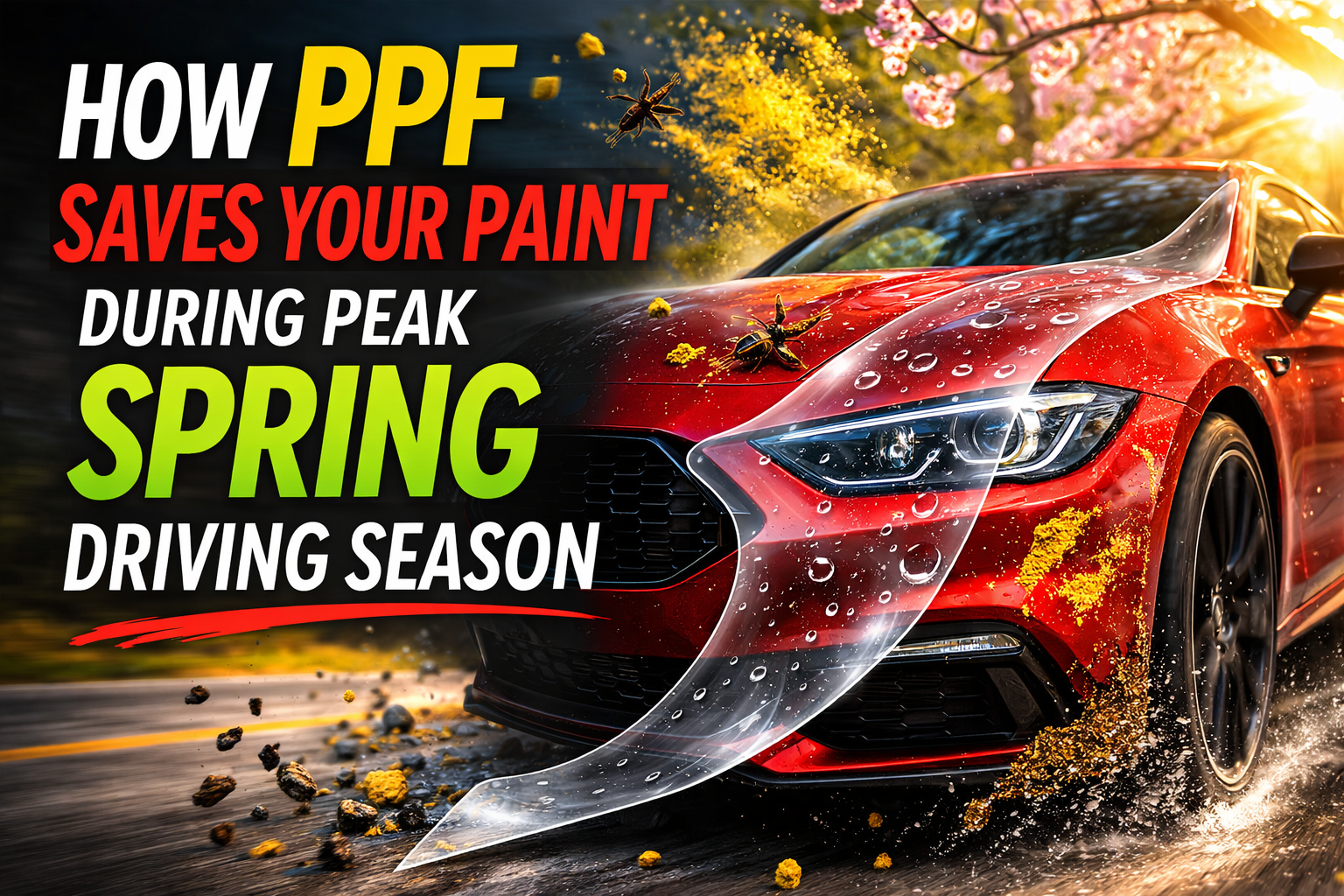
Spring Driving Is Great Until It Starts Eating Your Paint
Spring in the Midwest has a way of pulling drivers back onto the road. After months of gray skies and salted pavement, the season arrives with warmer air, longer evenings, and the irresistible urge to take the long way home. Weekend drives open up again. Road trips return to the calendar. Your car finally gets to stretch its legs.
But there is a hidden downside to all this fresh air and open road. Spring is quietly one of the harshest seasons for your vehicle’s paint.
As the weather warms, the environment throws a surprising mix of threats at your car’s finish. Pollen drifts through the air and settles into every surface. Bugs appear in swarms and leave acidic residue behind. Tree sap drops from branches and bonds to clear coat. Gravel and loose debris scatter across roads damaged by winter. At the same time the sun begins delivering stronger ultraviolet exposure that slowly fades and weakens paint.
This is where modern paint protection enters the conversation. Paint Protection Film, commonly called PPF, acts as a transparent barrier between your vehicle’s paint and everything the season throws at it. Instead of contaminants striking your clear coat directly, they meet a durable layer designed to absorb the abuse.
Of course, the effectiveness of PPF depends heavily on how it is installed. Precision fitting, proper surface preparation, and experienced application all play a role in how well the film performs over time. That is why many drivers rely on professional detailers such as Chicago Auto Pros to install paint protection correctly and ensure it actually delivers the protection it promises.
Why Spring Is One of the Most Dangerous Seasons for Car Paint
Spring’s Attack on Paint
Spring feels gentle to people, but to automotive paint it can be surprisingly aggressive. As the environment shifts from winter to summer, several different contaminants appear at once, each capable of damaging a vehicle’s finish in its own way.
Pollen The Silent Paint Scratcher
Pollen may look soft when it collects on windshields and sidewalks, but under magnification those tiny particles can behave like abrasive dust. When pollen settles on your car and is moved across the surface during driving or washing, it can leave behind fine scratches in the clear coat.
The issue does not stop with scratching. Pollen contains natural acids that can slowly react with paint surfaces. If it remains on the vehicle for extended periods, those acids can contribute to oxidation and discoloration, dulling the shine that makes a well maintained car stand out.
Bug Splatter and Acidic Residue
Warmer temperatures bring insects back in large numbers, especially during evening drives and highway travel. When bugs collide with the front of a moving vehicle they leave behind residue that is more than just unpleasant to look at.
Insect remains contain acidic compounds that begin breaking down clear coats surprisingly quickly. If bug splatter sits on paint for days under warm sunlight, it can etch into the surface and leave permanent marks that are difficult to remove.
Tree Sap and Chemical Bonding
Spring is also the season when trees release sap. Park beneath the wrong branch and your vehicle may collect sticky droplets that cling tightly to the paint.
Sap can bond chemically with the clear coat layer, especially when exposed to warmth and sunlight. Over time it hardens and becomes difficult to remove without aggressive cleaning or polishing, both of which risk further damage to the finish.
Road Debris from Spring Travel and Construction
Road Construction Season PPF Benefits
As cities begin repairing roads after winter damage, construction zones appear everywhere. At the same time thaw cycles leave behind potholes and loose gravel scattered across highways and side streets.
Every passing vehicle can kick up small stones and debris that strike nearby cars at speed. Even a tiny rock can chip through a clear coat and expose the paint underneath. With more people taking road trips and commuting in warmer weather, the chances of encountering this debris increase significantly.
UV Rays Begin Their Seasonal Assault
The sun grows stronger as spring progresses, bringing longer daylight hours and more direct ultraviolet exposure. While sunlight makes the season enjoyable for drivers, it can be harsh on automotive finishes.
Ultraviolet radiation gradually breaks down paint pigments and weakens clear coats. Over time this exposure causes fading, loss of gloss, and surface degradation that can make even newer vehicles appear older than they are.
What Exactly Is Paint Protection Film (PPF)
Paint Protection Film, often shortened to PPF, is a transparent layer of polyurethane material designed specifically to shield a vehicle’s paint from environmental damage. Once applied to the exterior surface, the film acts as a sacrificial barrier that absorbs impacts and contamination before they reach the paint underneath.
Modern PPF is typically between six and ten mils thick. This thickness allows the material to absorb the energy from small rocks, road debris, and other hazards that would normally chip or scratch a vehicle’s finish.
The film can be installed on the entire vehicle or focused on areas that take the most abuse, such as the front bumper, hood, fenders, mirrors, and door edges. These high impact zones are the places where rock chips and environmental contaminants most often strike.
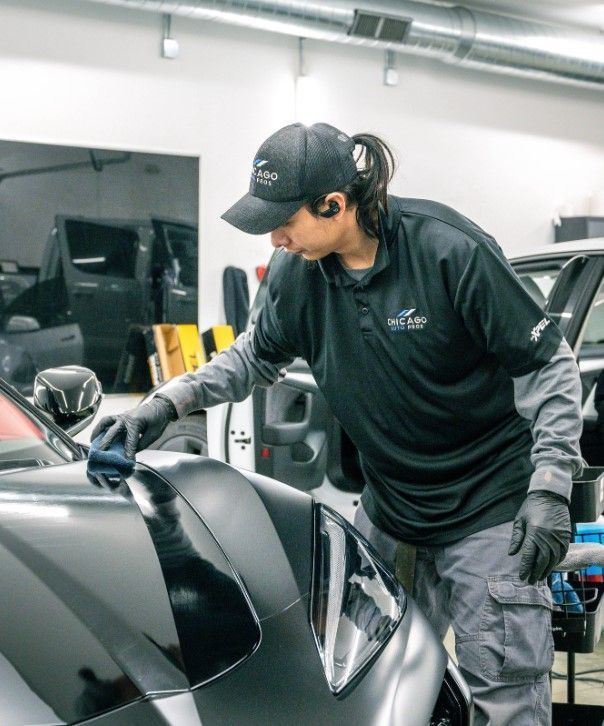
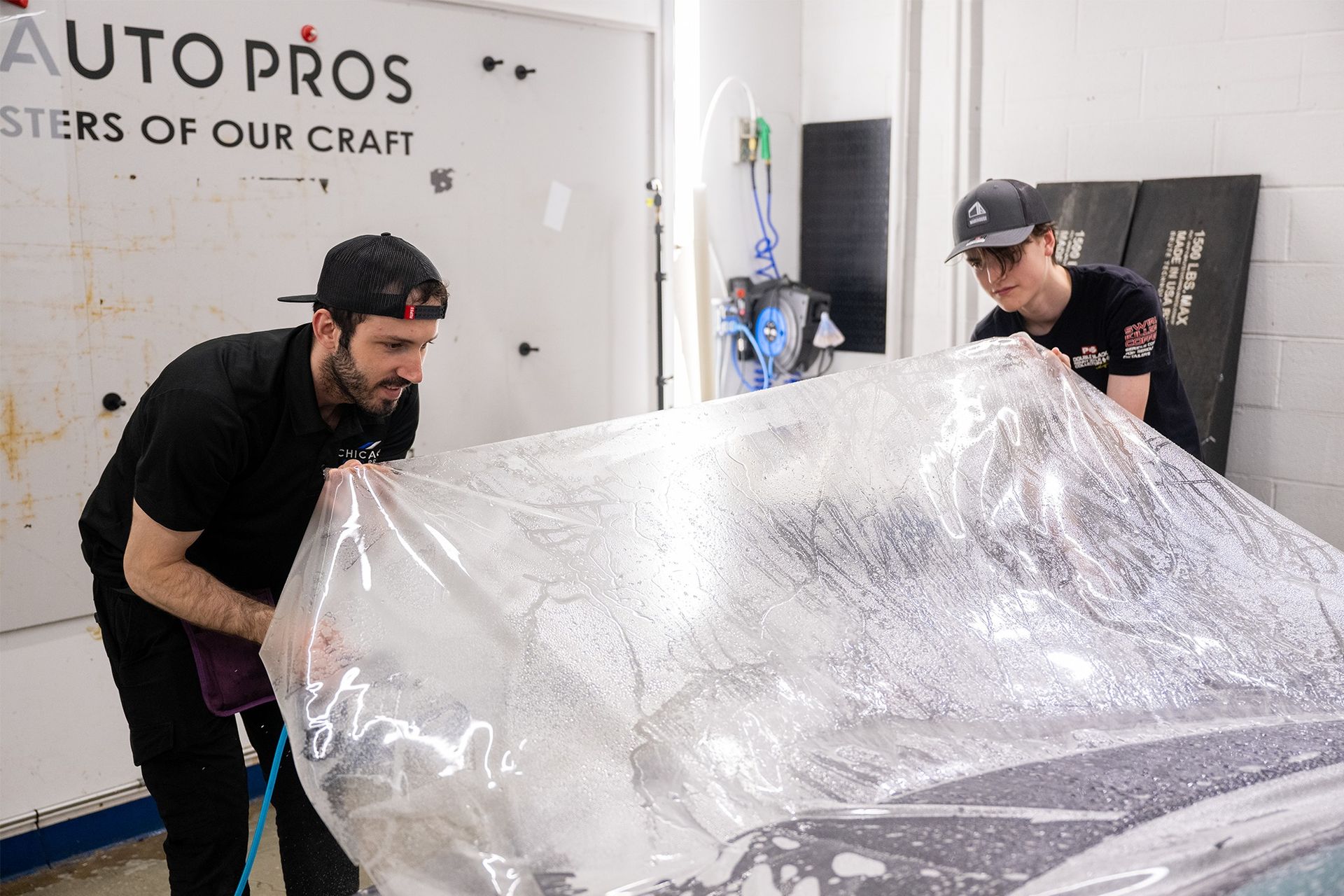
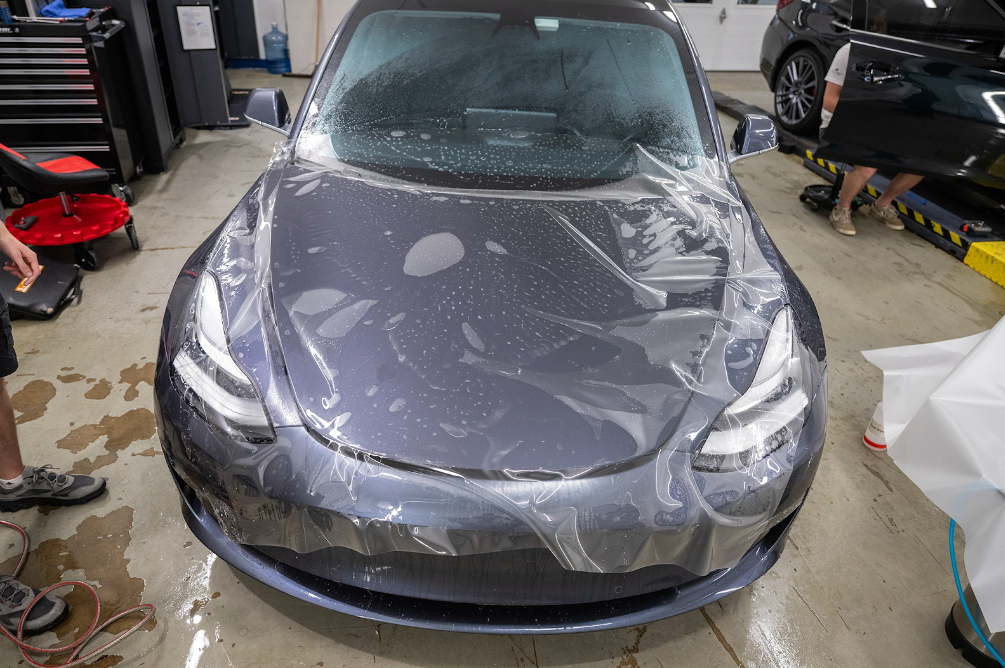
Because the material must be carefully cut, positioned, and applied without trapped air or stretching errors, installation plays a major role in how well PPF performs. Professional installers use specialized tools, controlled environments, and precise techniques to ensure the film adheres correctly and lasts for years. Shops such as Chicago Auto Pros specialize in this process, helping drivers protect their vehicles with properly installed paint protection that maintains both appearance and long term value.
How PPF Protects Your Vehicle During Spring Driving
PPF vs Environmental Contaminants
Spring introduces a mix of environmental hazards that can quickly take a toll on a vehicle’s exterior. Paint Protection Film works by creating a durable transparent shield that stands between your paint and the elements. Instead of allowing contaminants and debris to strike the clear coat directly, the film absorbs the abuse and prevents damage from reaching the paint underneath.
Because the material is engineered specifically for automotive protection, it combines thickness, flexibility, and advanced surface technology to handle the most common threats drivers face during peak spring driving.
Rock Chip Protection from Road Debris
PPF Rock Chip Protection
One of the most immediate threats to a vehicle’s paint during spring driving is road debris. Loose gravel, stones kicked up by traffic, and rough pavement left behind by winter all create the perfect conditions for rock chips.
Paint Protection Film uses a thick polyurethane layer designed to absorb these impacts. When a rock or piece of debris strikes the surface, the film spreads the force across the material rather than allowing it to concentrate in one spot.
This dispersal of energy prevents the impact from penetrating through to the paint below. Instead of leaving behind a permanent chip in the finish, the film takes the hit and preserves the original paintwork.
Hydrophobic Protection Against Pollen Bugs and Sap
PPF vs Spring Dust and Pollen
Spring contamination often begins with substances that settle onto the vehicle’s surface. Pollen coats cars in a fine layer of dust. Bugs accumulate on the front end after highway driving. Tree sap drips onto roofs and hoods when parked beneath branches.
Paint Protection Film includes hydrophobic surface properties that help repel many of these contaminants. Water and residue tend to bead on the surface rather than sticking aggressively to the paint.
This behavior makes routine cleaning far easier. When contaminants release more easily during washing, there is less need for aggressive scrubbing that can introduce scratches or swirl marks into the clear coat.
Self Healing Technology That Erases Minor Damage
Self Healing PPF Explained
Another advantage of modern Paint Protection Film is its ability to recover from minor surface damage. Small swirls and light marks can appear on any exterior surface over time, especially during washing or everyday use.
PPF contains polymers that respond to heat. When exposed to sunlight or warm water, the material softens slightly and allows the surface to reform. Minor imperfections gradually fade as the film returns to its original smooth structure.
This self repairing ability helps maintain a clean and glossy appearance without the need for constant polishing.
Built In UV Resistance
Spring also marks the return of stronger sunlight, which introduces long periods of ultraviolet exposure. Over time these rays break down paint pigments and weaken the protective clear coat.
Paint Protection Film is designed with UV resistance that helps shield the paint from this damage. By blocking much of the ultraviolet radiation, the film slows the fading process and protects the surface from oxidation and cracking.
The result is a finish that keeps its original color and gloss for much longer, even as the seasons bring stronger sunlight.
Why Spring Is the Best Time to Install PPF
Timing plays an important role in how effective paint protection can be. Many vehicles come out of winter carrying the effects of months of harsh weather. Salt residue, road grime, and small paint imperfections often linger after the colder season ends.
Spring is the ideal moment to address these issues and add protection before the next round of environmental hazards begins.
As temperatures rise, people drive more frequently and travel longer distances. Weekend road trips return, construction zones expand, and pollen levels increase across much of the Midwest. All of these conditions create more opportunities for paint damage.
Installing Paint Protection Film early in the season places a protective barrier on the vehicle before these threats reach their peak. Rather than reacting to damage after it appears, drivers can prevent many of the most common problems before they begin.
Midwest Spring Conditions Why Protection Matters Even More
Iowa Spring Car Prep
Drivers in the Midwest face a unique mix of environmental challenges during the spring months. The transition from winter to warmer weather brings several conditions that can accelerate paint wear if a vehicle is left unprotected.
Residual Winter Salt and Grime
Even after the snow disappears, traces of winter road salt often remain on streets and highways. These residues can cling to vehicle surfaces and continue interacting with paint long after winter has ended.
If left untreated, salt can contribute to corrosion and gradual surface deterioration. A properly protected exterior helps create a barrier between the paint and these lingering contaminants.
Potholes and Gravel from Freeze Thaw Cycles
Midwest winters frequently leave behind damaged pavement once temperatures begin to rise. Freeze and thaw cycles break apart road surfaces, creating potholes and scattering loose gravel across driving lanes.
These rough road conditions increase the likelihood of rocks striking the front of a vehicle. Each small impact carries the potential to chip paint unless a protective layer is present.
Heavy Spring Pollen
Spring pollen in the Midwest often arrives in dense waves that coat vehicles within hours. Trees release massive quantities of airborne particles that settle on every exposed surface.
When pollen accumulates and mixes with moisture or is dragged across paint during cleaning, it can create scratches and chemical reactions that dull the finish. A protected surface helps reduce how strongly these particles interact with the paint and makes removal much easier during routine washing.
Professional Installation vs DIY PPF
Paint Protection Film is only as effective as the way it is installed. While the material itself is engineered to protect automotive paint, proper installation determines whether that protection performs as intended or fails prematurely.
The process begins with careful surface preparation. Paint must be thoroughly cleaned and corrected so that the film bonds evenly to the surface. Even small particles of dust or leftover contaminants can interfere with adhesion and create imperfections beneath the film.
DIY kits often promise a quick solution, but they rarely account for the precision required during installation. Without the right tools and experience, it is easy to introduce bubbles beneath the film, stretch the material unevenly, or misalign sections during placement. Edges may begin to lift over time, and poorly fitted film can leave parts of the vehicle exposed.
Professional installers approach the process differently. Experienced technicians use controlled environments, specialized cutting templates, and installation techniques that allow the film to conform smoothly to complex body panels. This precision ensures full coverage across vulnerable areas while maintaining a nearly invisible finish.
For drivers who want reliable protection, many turn to professional detailers with extensive experience in paint protection. Chicago Auto Pros has built a reputation in the Chicago area for installing PPF with the precision and care required to deliver long lasting results.
The Long Term Benefits of PPF for Your Vehicle
Paint Protection Film does more than shield a vehicle from seasonal hazards. It also plays a significant role in preserving the long term appearance and value of the car.
One of the most immediate benefits is the preservation of resale value. Vehicles with well maintained paint tend to command higher prices on the market. When the original finish remains clean and free from chips or fading, buyers often view the vehicle as better cared for overall.
PPF also helps preserve the factory paint itself. The original finish applied by manufacturers is extremely difficult to replicate once damaged. By placing a protective layer over that paint, the film helps maintain the exact color, gloss, and texture the vehicle had when it left the factory.
Maintenance becomes easier as well. Because contaminants have a harder time bonding to the film, routine washing often requires less effort. Surfaces remain smoother and are less likely to develop the swirl marks that sometimes appear during aggressive cleaning.
Perhaps most importantly, PPF can prevent costly repairs. Rock chips, etched surfaces, and faded paint often lead drivers toward repainting or paint correction services. By absorbing damage before it reaches the clear coat, the film can save owners from expensive restoration work later.
Spring Driving Should Not Mean Paint Damage
Spring driving brings a welcome change after months of winter weather. Roads open up, travel increases, and vehicles spend far more time outdoors enjoying the season. At the same time, the environment introduces a wide range of hazards that can quietly damage automotive paint.
Pollen settles onto every surface. Bug residue accumulates during highway driving. Tree sap drips from branches above parking spots. Gravel and debris scatter across roads that are still recovering from winter damage. Stronger sunlight begins its steady exposure to ultraviolet radiation.
Paint Protection Film offers one of the most reliable ways to defend against these threats. By creating a durable transparent layer over the paint, it absorbs impacts, repels contaminants, and helps preserve the appearance of the vehicle throughout the busiest driving months.
For drivers who want to protect their vehicles before peak spring travel begins, professional installation can make all the difference. Experienced detailers such as Chicago Auto Pros provide precise PPF application that helps ensure the protection performs exactly as intended. Protecting the paint now can help keep a vehicle looking newer for years to come.
Share with your friends


We Make Your Car Look Beautiful
Founded with an unquenchable desire for automotive perfection, Chicago Auto Pros is a leader in paint protection efforts and aesthetic vehicle detailing services in Chicago, Illinois. When you bring your automobile to our Chicago-based detailing shop, you are sure to experience unmatched integrity, customer service excellence, and above all, absolute automotive perfection from the inside out. Choose the right auto detailing team - choose Chicago Auto Pros!
Lombard Location
207a Eisenhower Lane South, Lombard, Illinois 60148, United States
Glenview Location
2075 Johns Ct, Glenview, IL, 60025, United States
St. Charles Location
315 Industrial Dr, St Charles, IL 60174, United States