What’s the Real ROI of Protecting Your Car? A Car Owner’s Math Breakdown
February 20, 2026
What’s the Real ROI of Protecting Your Car? A Car Owner’s Math Breakdown
The Question Every Car Owner Avoids Until It’s Too Late
Most car owners see protection as a grudge purchase. Something optional. Something cosmetic. Something you talk yourself out of right before signing the paperwork. Protection feels like money leaving your account for a future problem you might never have.
Until the future shows up early.
In Chicago, that moment arrives fast. Gravel kicked up on the Kennedy. Salt soaked slush grinding into a clear coat all winter. Tight street parking that turns a flawless door panel into a daily gamble. Urban driving here is not gentle. It is relentless. And the damage rarely arrives in one dramatic moment. It creeps in through chips, swirls, fading, and corrosion that quietly drain value year after year.
This is where the conversation gets reframed. Car protection is not about fear or pride or babying your vehicle. It is about math. Real numbers tied to repairs you will either pay for later or avoid entirely. ROI in this category is not emotional. It is calculated.
What Protecting Your Car Actually Means And What It Doesn’t
Protecting your car does not mean wrapping it in bubble wrap or treating it like a museum piece. It means adding layers that absorb damage before your factory surfaces do.
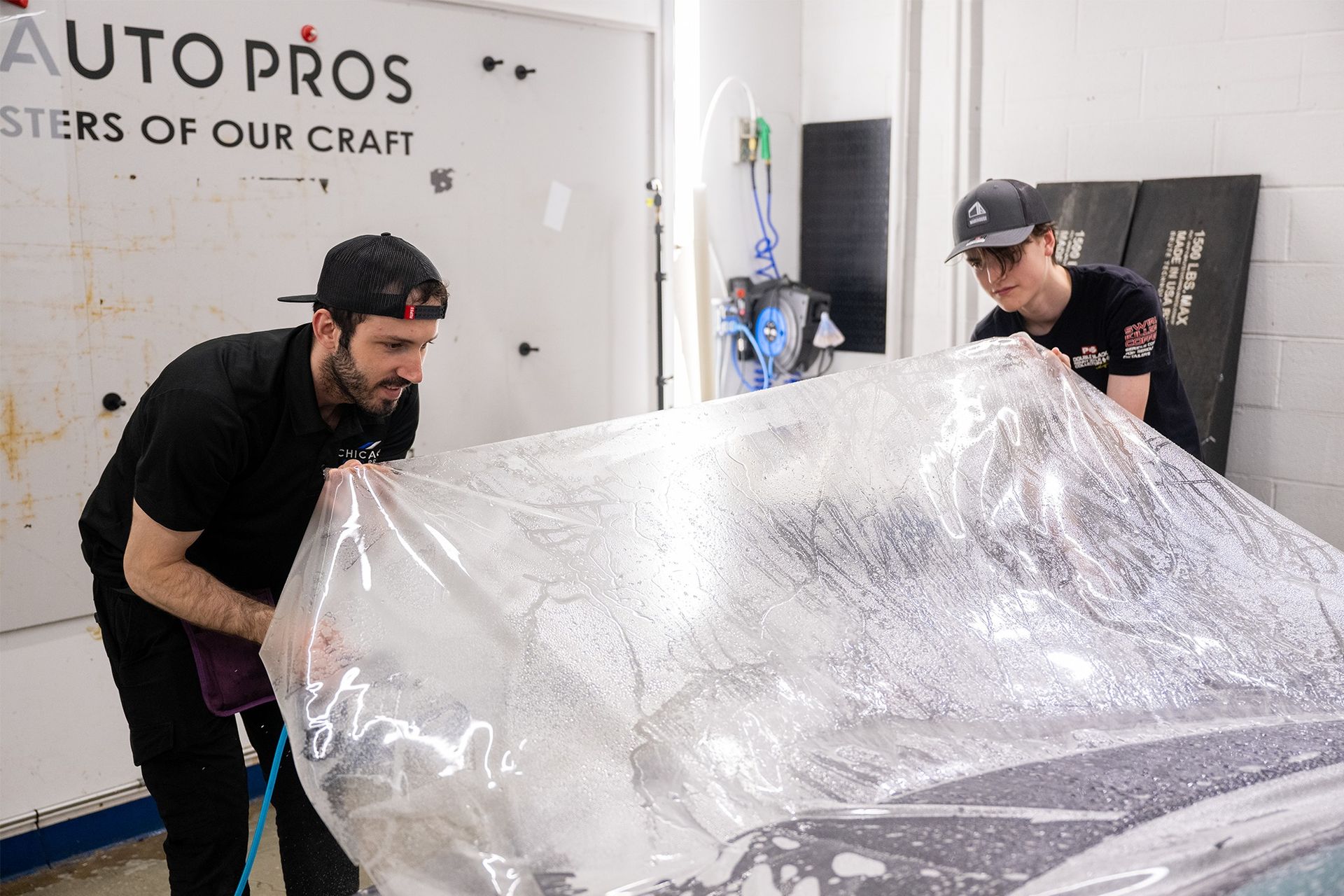
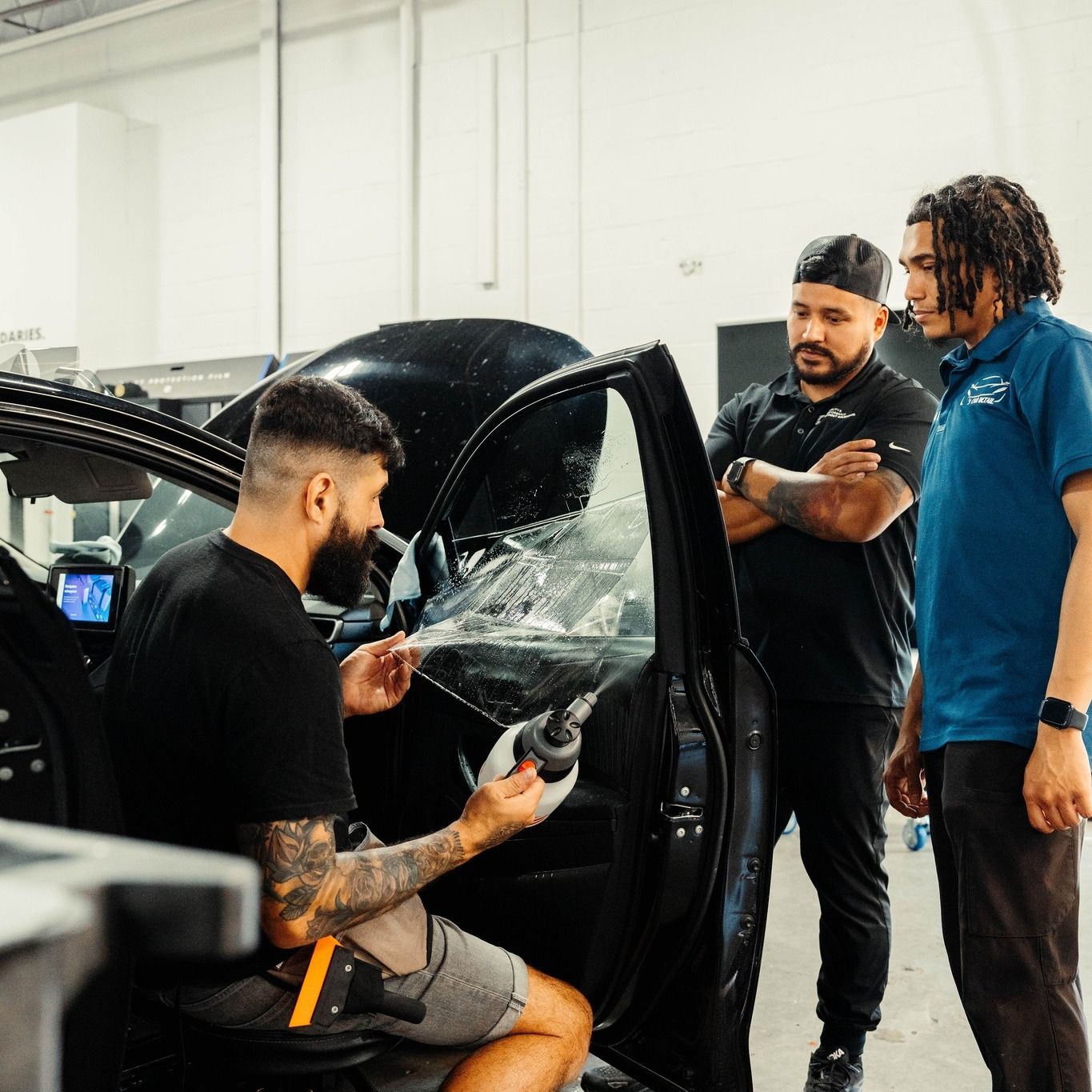
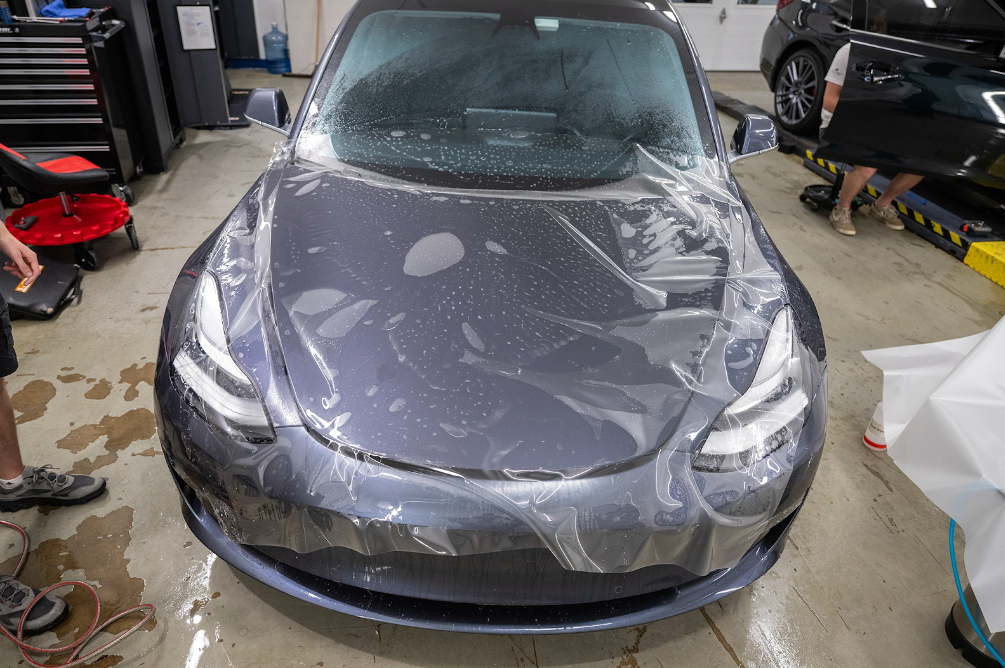
Paint protection film or PPF is a clear urethane layer applied to high impact areas like the hood, bumper, mirrors, and fenders. It is designed to take hits from road debris and resist scratches. Modern films can self heal minor marks when exposed to heat, preserving the paint underneath.
Ceramic coating is a liquid polymer that chemically bonds to your paint. It enhances gloss, repels water, and makes contaminants harder to stick. While it is not impact protection, it significantly reduces swirl marks and simplifies cleaning, which preserves surface quality over time.
Window tint blocks heat and ultraviolet radiation from entering the cabin. This protects interior materials from fading and cracking while also improving comfort and reducing strain on climate control systems.
None of these are cosmetic indulgences. They function like preventative maintenance. Just as oil changes protect an engine you cannot see, these services protect surfaces that directly affect repair costs and resale value.
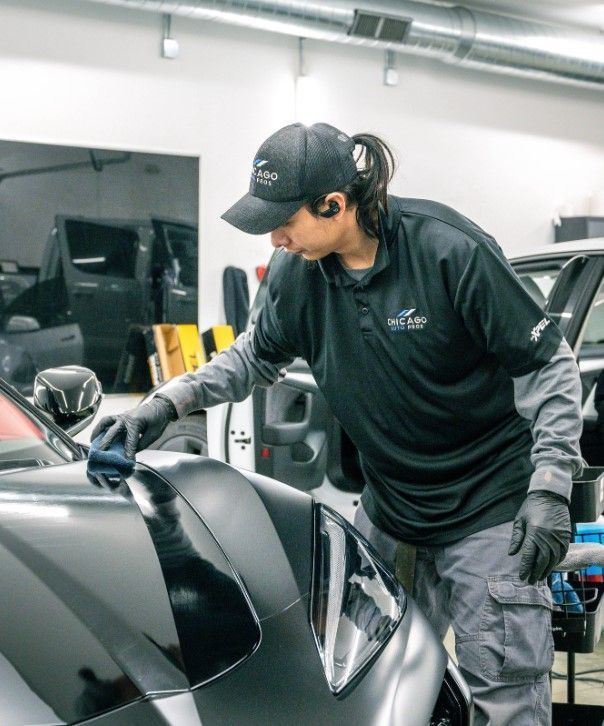
Chicago Auto Pros operates squarely in this preventative space. Their focus is not quick shine or short term fixes but long term preservation using professional grade films, coatings, and tint designed for real world Chicago conditions. The goal is simple. Let the protection take the damage so your vehicle does not.
The Upfront Cost Reality Check Chicago Pricing Context
Before ROI can be calculated, the numbers have to be honest. Car protection has an upfront cost, and pretending otherwise is what makes the conversation feel slippery. In Chicago, pricing generally reflects vehicle size, coverage scope, and the quality of materials being used.
A full front end paint protection film installation typically starts around nineteen hundred fifty dollars. This usually covers the bumper, hood, fenders, mirrors, and other high impact areas that take the most abuse from road debris. Larger vehicles and expanded coverage increase that figure, while partial coverage brings it down.
Ceramic window tint for an entire sedan commonly falls between three hundred forty and six hundred fifty dollars. Higher end films come with lifetime warranties and superior heat and UV rejection, which matters more than most people realize over time.
Ceramic coating packages vary the most. Entry level options can begin around five hundred dollars, while multi layer professional packages can reach two thousand depending on paint correction needs and durability targets. The difference is not just shine but longevity and ease of maintenance.
Three variables drive nearly every quote. Vehicle size determines surface area. Coverage level determines how much of the car is protected versus exposed. Warranty considerations determine how long the protection is expected to perform without degradation.
This clarity matters. Without understanding the real upfront cost, any ROI discussion becomes abstract. With it, the math becomes grounded and measurable.
The Hidden Cost of Doing Nothing Especially in Chicago
Doing nothing is not neutral. It is a decision with its own price tag, and in Chicago that price compounds quickly.
Rock chips are the most common entry point. One impact on the highway can cost two hundred to three hundred dollars to repair, assuming it does not spread or expose bare metal. Scratches from parking lots, car washes, and tight urban spaces add another layer of recurring expense.
Paint swirl marks build slowly but relentlessly, especially through winter washes and salt exposure. Over time they dull the finish enough to require paint correction or repainting. Winter related corrosion accelerates this process by attacking unprotected edges and seams where moisture and salt linger.
Minor paint repairs routinely range from one hundred fifty dollars to two thousand dollars per incident. Larger jobs like repainting panels or correcting widespread damage can climb into the thousands. These are not rare edge cases. They are predictable outcomes of daily driving in a city with harsh winters and heavy traffic.
Chicago roads amplify wear through temperature swings, freeze thaw cycles, abrasive salt, and constant debris. What might take years to show elsewhere can surface in a single season here.
This is where ROI starts compounding. Every avoided repair is money that stays in your pocket. Every year without corrective work increases the gap between protected and unprotected ownership.
Savings Breakdown Where the Money Is Actually Made Back
The real payoff of car protection does not arrive all at once. It accumulates quietly through fewer repairs, less maintenance, and preserved conditions that would otherwise require money and time to restore.
A. Repair Avoidance
Paint damage rarely happens in one dramatic moment. It builds through repeated impacts and surface wear. Protection dramatically reduces both how often damage occurs and how severe it becomes when it does.
Paint protection film absorbs the force of road debris before it reaches factory paint. Rock chips that would normally require touch up or repainting are either prevented entirely or reduced to minor surface marks. Modern self healing films take this further by allowing light scratches to disappear with heat exposure, which suppresses the need for corrective work.
Each avoided repair represents immediate savings. Over multiple years of driving, especially in Chicago traffic and highway conditions, those avoided incidents add up to thousands of dollars not spent at a body shop.
B. Maintenance and Time Savings
Protected vehicles are easier to live with on a daily basis. Ceramic coatings create a hydrophobic surface that resists dirt, salt, and grime. This means fewer washes are needed to keep the car looking clean.
When cleaning is required, it takes less time and effort. Contaminants release more easily, reducing the need for aggressive scrubbing that causes swirl marks. Over the long term, this also lowers the frequency of professional detailing and paint correction services.
Time is rarely included in ROI calculations, but it should be. Fewer washes, fewer appointments, and fewer maintenance headaches all translate into tangible value.
C. Interior Preservation via Tint
Window tint protects what is often overlooked until it is too late. Interior materials take constant abuse from ultraviolet exposure, especially through large windshields and side glass.
Quality tint significantly reduces UV penetration, slowing the fading and cracking of leather, plastics, and trim. Interiors that age more slowly maintain both comfort and resale appeal. Over time, this preservation helps the vehicle present as cared for rather than worn out.
Resale Value The ROI Multiplier Most Owners Ignore
Depreciation is unavoidable, but how fast it happens is not fixed. Most vehicles lose twenty to thirty percent of their value in the first year alone. After that, condition becomes one of the strongest variables in determining what the car is worth.
Protected vehicles consistently outperform unprotected ones at trade in and private sale. Clean paint free of chips and heavy swirls signals careful ownership. Buyers respond to visual evidence more than service records.
Paint condition plays an outsized role in perceived value. A flawless exterior suggests fewer hidden issues and lowers buyer resistance. An accident free exterior history also avoids diminished value penalties that can follow even well repaired paint damage.
Protection reframes ownership from consumption to preservation. Instead of accepting depreciation as a one way slide, it becomes something that can be slowed and managed. In that sense, protection functions less like a cosmetic upgrade and more like equity preservation built directly into the vehicle.
The 5 Year ROI Math Breakdown Real Numbers No Fluff
To ground this in reality, consider a common scenario. A thirty thousand dollar sedan owned for five years under moderate driving conditions. Not a garage queen, not abused, just daily life in and around Chicago.
Without protection, repair costs add up quietly. Over five years, it is reasonable to expect several paint related incidents from rock chips, scratches, and surface damage. Those repairs can total roughly twenty five hundred dollars. Maintenance costs also climb. More frequent washes, occasional paint correction, and extra detailing easily reach twelve hundred dollars over the same period. At resale, the car may retain around forty percent of its original value, landing near twelve thousand dollars.
With paint protection film and ceramic coating, the numbers shift. Repair costs drop significantly, often limited to minor fixes totaling around five hundred dollars. Maintenance becomes easier and less frequent, cutting costs roughly in half to about six hundred dollars. At resale, a protected exterior can increase value by around fifteen percent, pushing the resale figure closer to fourteen thousand one hundred dollars.
Now subtract the upfront protection cost of approximately three thousand dollars. Even after accounting for that investment, the net result is a positive return of roughly seventeen hundred dollars. That is profit created by prevention, not speculation.
For high mileage drivers, highway commuters, and urban parkers, the upside grows even larger. More exposure means more avoided damage, which accelerates the return on protection.
Why Professional Installation Changes the ROI Equation
Protection only works when it performs as intended over time. This is where professional installation becomes part of the ROI calculation rather than an optional upgrade.
Quality materials matter. Self healing films and advanced ceramic coatings are engineered to withstand years of environmental stress. Inferior products may look fine at first but degrade quickly, reducing both protection and resale impact.
Longevity separates true ROI from short term savings. Budget installs often fail early, requiring removal or replacement that erases any initial cost advantage. Professional work prioritizes durability, fit, and performance across multiple years of ownership.
Chicago Auto Pros positions itself around this long term mindset. Experience allows for precise installation. Product selection focuses on proven protective technologies rather than trend driven options. The goal is not a quick shine but sustained performance that continues delivering value year after year.
In ROI terms, professional installation is not an added cost. It is the factor that determines whether the math works at all.
Who Protecting Your Car Makes the Most Sense For
Car protection delivers value across many ownership profiles, but some drivers benefit more than others based on how and where they drive.
Daily commuters face constant exposure. Miles add up quickly, and so do opportunities for paint damage, interior wear, and surface contamination. Protection helps absorb that wear before it becomes an expense.
Highway drivers deal with frequent rock impacts and road debris. Even careful driving cannot avoid chips at speed. Paint protection film dramatically reduces this risk and keeps long stretches of highway travel from turning into repeated repair bills.
Lease holders and long term owners both benefit, though in different ways. Lease holders protect against end of term penalties tied to cosmetic damage. Long term owners preserve condition and slow depreciation over years of use.
New car buyers start with the most to lose. Protecting factory paint from day one prevents early damage that permanently affects value. Used car upgrades also make sense when protection follows paint correction, locking in improved condition and extending the life of the finish.
Chicago specific driving profiles magnify these benefits. Urban parking, winter salt, temperature swings, and dense traffic create a harsher environment than most cities. Protection is not just helpful here. It is practical.
Final Verdict Expense or Investment
The original question assumes protection is an indulgence. Something nice but unnecessary. The math tells a different story.
Upfront costs are real, but so are the expenses they prevent. Fewer repairs, lower maintenance demands, and stronger resale value work together to offset the initial investment. Over time, protection does not just break even. It produces measurable financial upside.
This is not about luxury. It is about risk management. Protection shifts ownership from reactive spending to controlled preservation. Instead of paying for damage after it happens, you reduce the likelihood it happens at all.
For Chicago drivers who want ownership to make financial sense, Chicago Auto Pros represents a logical next step. Their focus on long term protection aligns with the same math that turns car care into a calculated investment rather than a recurring expense.
Share with your friends
We Make Your Car Look Beautiful
Founded with an unquenchable desire for automotive perfection, Chicago Auto Pros is a leader in paint protection efforts and aesthetic vehicle detailing services in Chicago, Illinois. When you bring your automobile to our Chicago-based detailing shop, you are sure to experience unmatched integrity, customer service excellence, and above all, absolute automotive perfection from the inside out. Choose the right auto detailing team - choose Chicago Auto Pros!
Lombard Location
207a Eisenhower Lane South, Lombard, Illinois 60148, United States
Glenview Location
2075 Johns Ct, Glenview, IL, 60025, United States
St. Charles Location
315 Industrial Dr, St Charles, IL 60174, United States