

The Ultimate Car Care Plan: How to Keep Your Vehicle Looking New for 10 Years
February 9, 2026
The Ultimate Car Care Plan: How to Keep Your Vehicle Looking New for 10 Years
The 10 Year Question
Most cars stop looking new long before they stop running well. By year five, the shine dulls, the interior feels tired, and small flaws quietly stack into a look that says used instead of well kept. Many drivers assume this is inevitable. It is not. A car aging poorly is rarely about time alone. It is about strategy, or the lack of one.
The truth is that keeping a vehicle looking new for ten years is less about obsessive effort and more about intent. Cars that age gracefully are not constantly rescued after damage occurs. They are protected before damage has a chance to settle in. This is the difference between reactive car care and preventive car care. One fixes problems. The other prevents them from becoming problems at all.
At its core, a decade-long car care plan rests on two pillars. The first is mechanical longevity, staying ahead of factory service intervals so the car drives as tightly in year ten as it did in year one. The second is cosmetic protection, a structured approach to washing, decontaminating, and protecting surfaces so wear slows down instead of accelerating.
In Chicagoland, this matters even more. Road salt in winter, intense summer sun, rapid weather swings, and dense city driving all work against your vehicle every single day. Without a plan, the environment wins quickly. With the right plan, even a daily driven car can look remarkably close to new for a decade or longer.
The 10 Year Mindset Treating Your Car Like an Investment
A ten year car mindset means viewing your vehicle as a long term asset rather than a disposable appliance. It shifts the goal from keeping the car acceptable to keeping it consistently excellent. Instead of waiting for visible damage or obvious wear, decisions are made with future conditions in mind.
Neglect compounds faster than normal wear. Missed services lead to mechanical stress. Skipped washes allow contaminants to bond to paint. Ignored interiors fade and crack in ways that cannot be undone. Small lapses rarely stay small. Over time, they stack into problems that require aggressive correction or permanent compromise.
This is where the difference between maintenance and preservation becomes clear. Maintenance keeps things running.
Preservation keeps things from aging prematurely. An oil change maintains an engine. Paint protection preserves the finish. Vacuuming maintains cleanliness. Interior conditioning preserves materials. A true ten year plan blends both.
That plan starts with factory service intervals such as thirty thousand, sixty thousand, and ninety thousand mile milestones. Staying on top of these prevents breakdowns that often lead to long periods of neglect. Alongside mechanical care, repeatable cosmetic routines keep the vehicle from ever falling behind. Regular washing, scheduled decontamination, and interior upkeep ensure the car never becomes overwhelming to restore.
Long term protection plays a critical role here. Instead of constantly correcting damage through polishing or deep cleaning, protective solutions like sealants, ceramic coatings, and paint protection film slow the rate of wear itself. Less damage means fewer repairs and a more original vehicle over time.
Ultimately, appearance and mechanics age together whether you plan for it or not. A car that drives poorly is often neglected cosmetically. A car that looks worn is usually behind mechanically as well. Treating both sides with equal intention is what allows a vehicle to feel new long after most cars have already given up that illusion.
Wash and Decontaminate The Non Negotiables
Why Washing Frequency Matters Over a Decade
Most vehicles in Chicagoland are daily drivers. They sit outside offices. They crawl through traffic. They absorb everything the road and sky can throw at them. When washing becomes occasional instead of routine, contaminants are given time to bond to the surface. Once that happens, damage accelerates quietly and consistently.
Salt is the biggest offender. Winter driving leaves behind residue that clings to paint, wheels, and undercarriage long after roads look dry. Add summer pollution, construction dust, tree sap, and extreme weather swings, and you have an environment that actively works against your vehicle every week of the year. Regular washing is not about vanity. It is about interruption. Every proper wash resets the clock on corrosion, staining, and dulling.
Over ten years, frequency matters more than intensity. Gentle washes done consistently protect far better than occasional aggressive cleaning after months of buildup.
Proper Washing Technique Not All Washes Are Equal
How a car is washed determines whether it stays glossy or slowly fills with swirl marks. Safe washing starts with a balanced pH soap, clean microfiber mitts, and a process that lifts dirt away rather than grinding it into the paint. This reduces micro scratches that accumulate and dull the finish over time.
Wheels, wheel wells, and the undercarriage deserve equal attention. Brake dust embeds quickly and becomes corrosive if ignored. Road salt hides underneath where damage often goes unnoticed until it is severe. Regularly rinsing these areas is one of the simplest ways to extend both cosmetic and structural life.
A decade long plan does not rely on shortcuts. It relies on repeatable habits done correctly.
Decontamination as Preventive Care
Even the best washing routine cannot remove everything. Over time, microscopic iron particles, industrial fallout, and bonded contaminants embed into paint and clear coat. Clay bar treatments and iron removal safely pull these particles out, restoring smoothness and preventing long term staining.
For most vehicles, this deeper decontamination makes sense once or twice per year depending on driving conditions. In areas with heavy winter salt and urban traffic, twice per year is often ideal. This process prepares the surface for protection to bond properly and perform as intended.
Professional washing and decontamination should be viewed as reset points rather than luxury services. They bring the vehicle back to baseline condition so protection can actually do its job instead of fighting through years of buildup.
Protect the Finish Wax Sealants PPF and Ceramic
Short Term Protection Wax and Sealants
Wax and sealants act as sacrificial layers. They take the abuse from sun, bird droppings, and environmental fallout so the paint underneath does not have to. Applied on a roughly quarterly rhythm, they maintain gloss and buy time between deeper services.
While these products do not last forever, their value lies in consistency. Over ten years, that repeated layer of protection significantly slows fading and oxidation.
Ceramic Coating as a Long Term Strategy
Ceramic coatings create a durable barrier that resists UV damage, chemical staining, and oxidation while making washing easier. Water sheets off. Dirt releases more readily. The surface stays cleaner longer with less effort.
Ceramic is not magic and it does not replace washing. It still requires maintenance and periodic inspections to perform at its best. What it does offer is stability. Instead of starting from scratch every few months, you are maintaining a foundation that lasts years.
Professional installation matters because surface preparation determines performance. Improper prep locks in defects. Proper prep extends lifespan and results.
Paint Protection Film for Impact Zones
Paint protection film is designed for areas that take the most abuse. Front bumpers, leading edges of hoods, mirrors, and rocker panels see constant impact from road debris. In city and highway driving alike, these areas accumulate chips that permanently age a vehicle.
By absorbing impacts before paint is damaged, film preserves originality in the places that matter most. Over time, this keeps the vehicle looking cleaner and more expensive than its mileage would suggest.
The PPF Plus Ceramic Stack
Combining paint protection film with ceramic coating creates a layered defense. The film handles physical impact. The ceramic enhances gloss, resists staining, and makes cleaning easier across both paint and film.
This combination extends longevity, reduces maintenance effort, and improves resale appeal because surfaces stay clearer and more uniform over time. When viewed over a ten year span, the cost becomes an investment rather than an expense.
This is where professional planning consistently outperforms do it yourself solutions. Choosing the right protection for how and where a vehicle is driven makes all the difference over the long run.
Interior Wheels and Undercarriage The Silent Aging Tells
Interior Care That Prevents the Old Car Feel
A vehicle can have flawless paint and still feel worn the moment you open the door. Interiors age faster than exteriors when they are only cleaned occasionally instead of cared for consistently. The difference between a car that feels new at year ten and one that feels tired usually comes down to frequency.
Monthly upkeep keeps dirt from becoming damaged. Regular vacuuming removes abrasive grit from carpets and seats. Light wipe downs prevent dust and oils from building up on dashboards and touch surfaces. This simple cadence stops materials from breaking down prematurely.
Periodic deep cleaning is where preservation happens. Every few months, carpets benefit from shampooing. Leather needs proper cleaning and conditioning to stay supple instead of drying and cracking. High touch points like steering wheels, armrests, and controls should be thoroughly cleaned to remove oils that slowly degrade finishes. Over time, this approach keeps the interior looking intentional rather than merely used.
Wheels Tires and Trim
Wheels and tires quietly signal a car’s age. Brake dust is corrosive and embeds into wheel finishes when left untreated. Regular cleaning prevents pitting and staining that permanently dulls their appearance.
Tires and exterior trim face constant sun exposure. Without protection, rubber dries out and plastics fade or chalk. Applying proper UV protection keeps tires darker, trim richer, and the overall look of the vehicle sharper. These details seem small, but over ten years they separate a well cared for car from one that looks neglected.
Undercarriage Care Especially in Chicagoland
In Chicagoland, the undercarriage takes a beating. Winter salt clings to metal components long after roads clear, accelerating corrosion in places most owners never see. Ignoring this area shortens the life of suspension parts, exhaust components, and structural elements.
Periodic rinsing of the undercarriage is one of the most effective ways to slow rust before it starts. After winter driving, regular rinses help remove salt buildup and reduce long term damage. The mindset here is prevention. Once rust takes hold, it is expensive and often irreversible. Keeping the underside clean preserves the foundation of the vehicle as much as its appearance.
Storage Driving Habits and Environmental Control
Smart Parking and Storage Decisions
Where a car lives matters almost as much as how it is driven. Garage parking dramatically reduces exposure to UV rays, bird droppings, tree sap, and weather extremes. Outdoor parking increases risk, especially over long periods.
Car covers can help when used correctly. A breathable cover on a clean, dry vehicle adds protection. A cover placed over a dirty or damp car can trap moisture and grit, causing more harm than good. Knowing when and how to use covers is key to making them beneficial rather than damaging.
Seasonal and Long Term Storage Prep
Any vehicle that will sit for an extended period should be prepared intentionally. The process starts with a thorough wash to remove contaminants. Complete drying is critical, including door jambs and crevices where moisture hides. Applying a protective layer helps guard against humidity and environmental exposure while the car is stationary.
Inside the cabin, moisture control is essential. Using desiccant packs or dehumidifiers helps prevent mold and mildew. A dry interior preserves fabrics, leather, and electronics during storage and keeps the car ready for use rather than requiring recovery.
Driving and Usage Habits That Add or Subtract Years
Short trips, extended sitting, and inconsistent use all affect how a car ages. Vehicles that sit too long often deteriorate faster than those driven regularly and cared for properly. Neglect cycles begin when a car feels inconvenient to maintain and that neglect compounds quickly.
This is where detailing and mechanical care intersect. A car that drives smoothly is more likely to be washed and maintained. A car that looks clean and protected is more likely to receive timely service. Keeping both sides in sync prevents the slow slide into disuse and preserves the vehicle as a whole for the long term.
Mechanical Care That Supports Cosmetic Longevity
Mechanical neglect almost always shows up on the surface. When a vehicle breaks down or starts feeling unreliable, cosmetic care is usually the first thing to stop. Missed washes turn into months of buildup. Interior care gets postponed. Small issues snowball into visible decline. Breakdowns do not just interrupt driving. They interrupt habits.
Mileage based service milestones exist for a reason. Regular services at key intervals keep the car operating smoothly and prevent the long periods of downtime that often lead to neglect. A vehicle that runs well stays in rotation. A vehicle that stays in rotation is far more likely to be cared for consistently inside and out.
Many mechanical components function as invisible aesthetics. Fresh fluids keep systems running quietly and smoothly. Healthy suspension maintains proper ride height and stance. Belts and brakes in good condition prevent noises, vibrations, and warning lights that make a car feel old even if it looks clean. When these elements are ignored, the vehicle starts to feel tired long before it actually is.
Aligning mechanical checkups with detailing schedules creates a rhythm that supports long term ownership. When service intervals and cosmetic maintenance reinforce each other, the car never falls into a state of decline. It continues to drive well and look intentional at the same time, which is exactly what keeps a ten year old vehicle feeling closer to new.
The 10 Year Car Care Blueprint
This blueprint is designed to be simple, repeatable, and realistic for long term ownership. It works best when treated as a routine rather than a reaction.
Every two weeks
Gentle exterior wash
Wheel and tire cleaning
Quick interior tidy to remove dust and debris
Every three months
Apply wax or paint sealant
Dress tires and exterior trim
More thorough interior wipe down
Every four to six months
Professional detail with focus on interior or exterior
Paint decontamination as needed
Reapply protection to high wear areas
Every twelve months
Full service detail
Complete exterior wash and decontamination
Polishing where necessary
Deep interior cleaning including carpets and leather
Every one to two years
Ceramic coating inspection or maintenance service
Paint protection film inspection and correction if needed
At thirty thousand sixty thousand and ninety thousand miles and beyond
Follow manufacturer and recommended service intervals
Inspect and service fluids belts brakes and suspension
Ensure mechanical condition matches cosmetic condition
This structure works especially well as a visual chart, a downloadable guide, or a bundled service plan. When presented as a decade-long roadmap, it helps owners see car care not as scattered tasks but as a clear and manageable system.
Why Professional Care Wins Over Time
In year one, the difference between do it yourself care and professional service can feel small. Many products promise quick results and early on the vehicle still has enough factory protection to mask minor mistakes. By year ten, that gap becomes obvious. Professional care is built around consistency, proper preparation, and long term outcomes rather than short term shine. What looks similar in the beginning often ages very differently over time.
The true cost difference shows up in correction. Repeated polishing to fix damage, interior restoration to repair worn materials, and repainting chipped panels are far more expensive than preventing those issues in the first place. Protection spreads cost over time and reduces the need for aggressive fixes later. Over a decade, prevention is almost always the more economical path.
Climate specific knowledge matters. Chicagoland vehicles face heavy salt exposure, extreme temperature swings, dense traffic, and urban fallout that generic advice does not fully account for. Knowing when to increase wash frequency, how to protect against winter corrosion, and which materials hold up best locally makes a measurable difference in long term condition.
This is where Chicago Auto Pros fits naturally into a ten year strategy. The goal is not just to perform individual services but to plan them. Acting as a guide rather than a one time provider creates continuity. Long term relationships allow care to evolve as the vehicle ages instead of starting over at each visit.
Looking New Isnt Luck Its a Plan
Cars that still look new after ten years are rarely accidents. They are the result of intention applied consistently over time. Effort matters far less than structure. When maintenance and protection are planned, car care becomes manageable rather than overwhelming.
Ten years of strong appearance and solid performance is not unrealistic. It is repeatable when the right routines, protections, and service intervals are followed. Even in a challenging environment like Chicagoland, vehicles can age gracefully with the right approach.
The smartest place to start is with a clear evaluation and a long term plan tailored to how and where the vehicle is driven. When car care is treated as a strategy instead of a reaction, looking new stops being a gamble and starts being the expected result.
Share with your friends
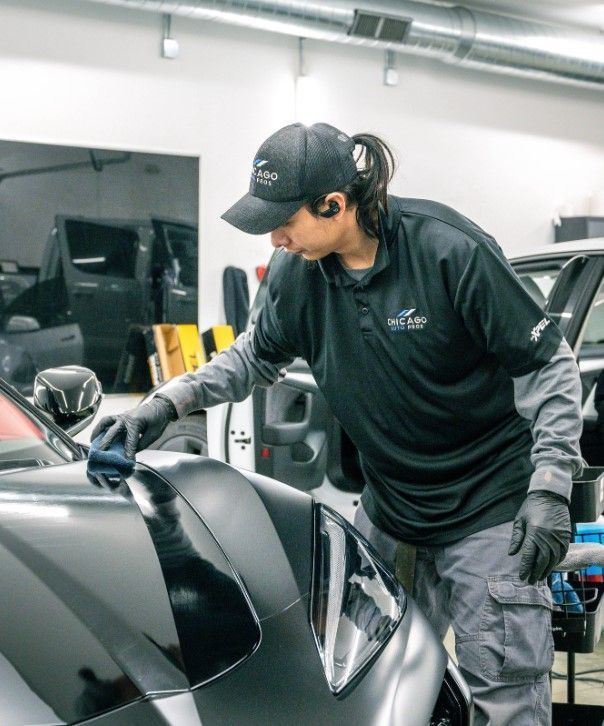
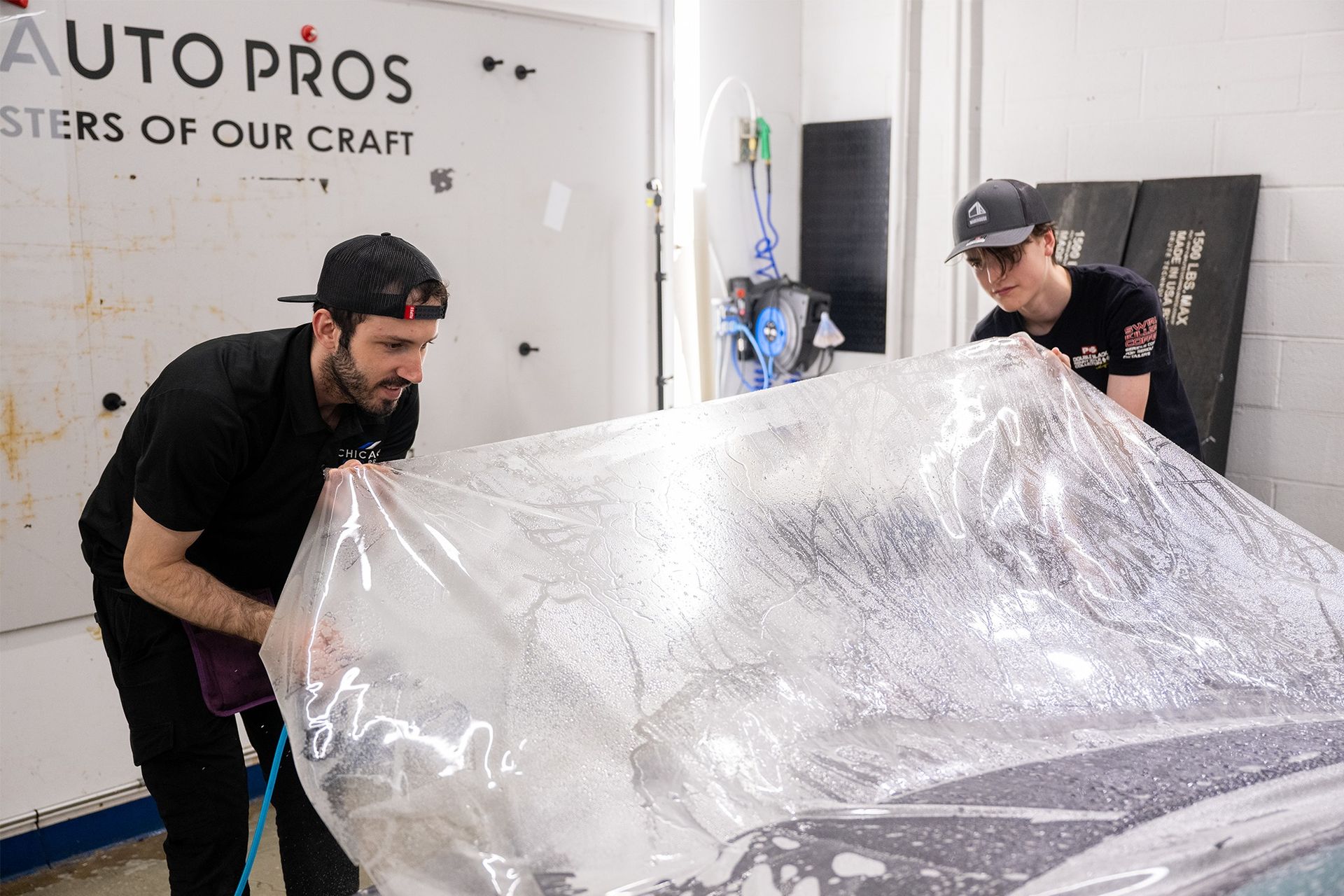
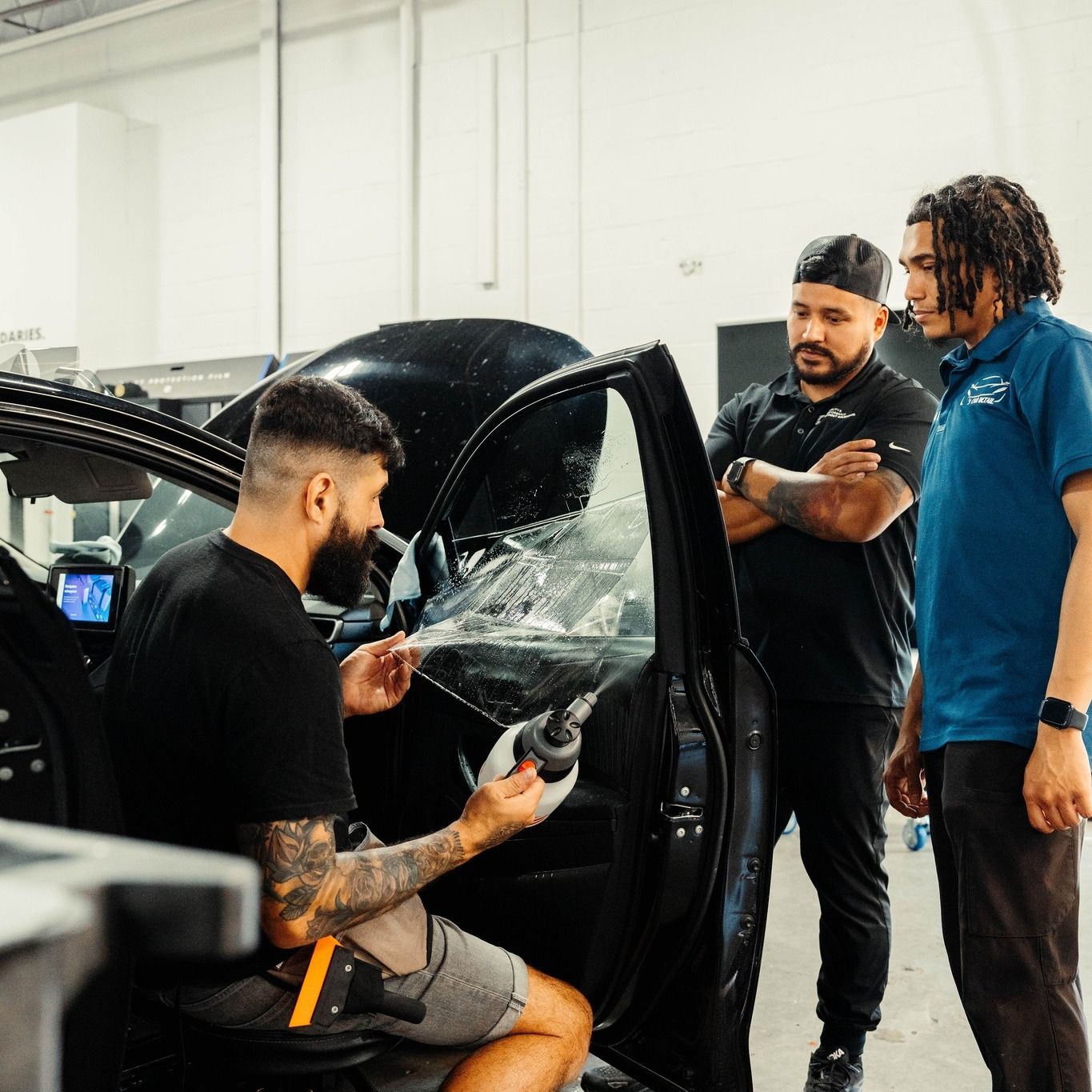
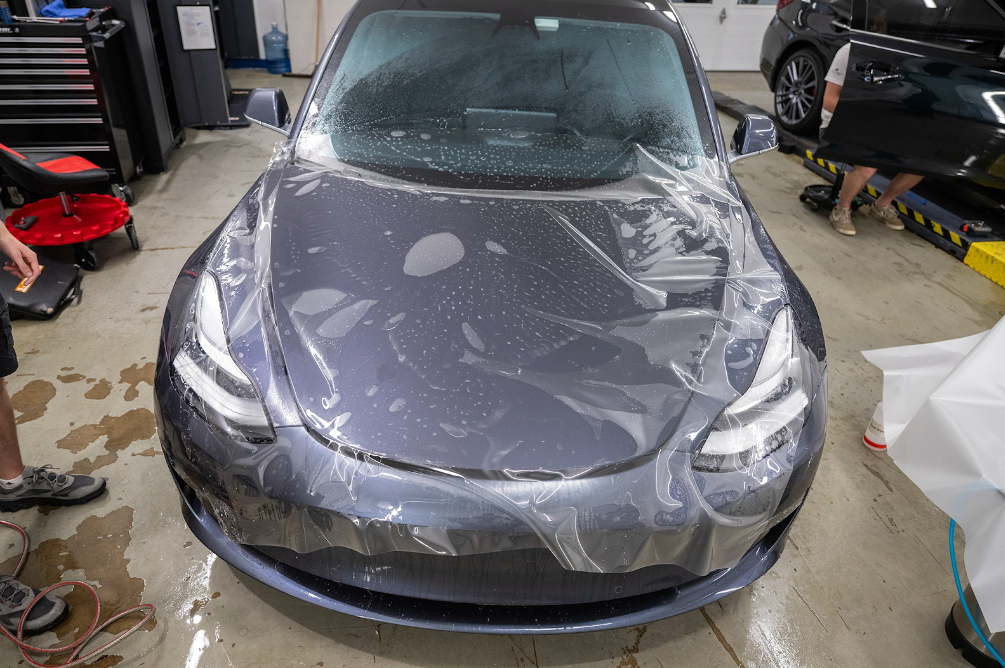

We Make Your Car Look Beautiful
Founded with an unquenchable desire for automotive perfection, Chicago Auto Pros is a leader in paint protection efforts and aesthetic vehicle detailing services in Chicago, Illinois. When you bring your automobile to our Chicago-based detailing shop, you are sure to experience unmatched integrity, customer service excellence, and above all, absolute automotive perfection from the inside out. Choose the right auto detailing team - choose Chicago Auto Pros!
Lombard Location
207a Eisenhower Lane South, Lombard, Illinois 60148, United States
Glenview Location
2075 Johns Ct, Glenview, IL, 60025, United States
St. Charles Location
315 Industrial Dr, St Charles, IL 60174, United States