

Why Spring Weather Makes Swirl Marks Worse
March 1, 2026
Why Spring Weather Makes Swirl Marks Worse
Spring Looks Good On Trees Not Your Paint
Spring in Chicago arrives loud and fast. Yellow pollen clouds drift through the air. Wind kicks up grit from winter scarred roads. Cars get washed more often than any other season as drivers try to shake off months of salt and grime. And yet this is exactly when paint starts to look worse, not better.
Those faint spiderweb patterns you see in sunlight are called swirl marks. They are tiny scratches etched into the clear coat which is the transparent protective layer that sits on top of your paint. Individually they are microscopic. Together they dull gloss and make dark colors especially unforgiving.
So why do swirl marks seem to multiply the moment spring hits. The short answer is that spring weather creates the perfect environment for paint damage while encouraging cleaning habits that unintentionally make it worse.
For Chicago area drivers this problem is amplified. Heavy tree pollen, wind driven dust, rapid temperature swings and frequent rain mean your vehicle is constantly under attack. Spring here is not gentle and your paint feels every bit of it.
What Swirl Marks Actually Are And Why You Notice Them More in Spring
Swirl marks live in the clear coat, not the color itself. The clear coat is designed to protect but it is also softer than most people realize. When light hits a perfectly smooth surface it reflects evenly and the paint looks deep and glossy. When that surface is scratched the light scatters in different directions which is what makes swirl marks suddenly appear.
Spring sunlight makes this effect more obvious. The sun sits higher in the sky and hits paint at sharper angles especially during morning and late afternoon drives. This lighting highlights imperfections that may have gone unnoticed during gray winter months.
It is also important to separate old damage from new damage. Many cars already have minor swirls coming out of winter. Spring does not just reveal them. It actively creates more through airborne contaminants and improper cleaning. What looks like a sudden explosion of damage is often a mix of visibility and fresh micro scratches forming almost daily.
Pollen’s Abrasive Impact on Car Paint
Spring pollen is not soft dust. It is made up of tiny spiny particles designed by nature to cling and travel. These grains are mildly acidic and incredibly persistent once they settle on a vehicle.
Pollen bonds to paint and clear coats through moisture. Morning dew light rain and humidity cause pollen to stick and smear rather than blow away. Over time the acidic residue begins to weaken the clear coat making it more vulnerable to scratching.
Dry wiping pollen off a car is one of the fastest ways to create swirl marks. Those spiny particles act like fine sandpaper when dragged across the surface. Even a clean looking towel can grind pollen into the paint if the surface is not properly pre soaked.
Wet pollen creates an even bigger problem. When mixed with dew or rain it forms a thin acidic film that softens the clear coat. Once softened the paint scratches far more easily during washing or drying.
In Chicago suburbs like Aurora where tree pollen is especially heavy in spring this cycle repeats daily. Cars get coated overnight, cleaned quickly and recoated again. Without the right process swirl marks build up faster than most drivers realize.
Wind Dust and Grit A Perfect Storm for Micro Scratches
Spring winds do more than knock over patio furniture. They carry sand dust and leftover road debris straight onto your vehicle. After months of winter wear Chicago roads release fine particles that become airborne the moment temperatures rise. Your paint becomes the landing zone.
Horizontal panels take the worst hit. Hood roofs and trunks act like shelves catching everything the wind delivers. These areas accumulate contaminants faster and hold onto them longer especially when mixed with morning dew or light rain.
When pollen and dust combine they create a gritty film that clings to the surface. It looks harmless from a distance but under a towel or wash mitt it behaves like an abrasive compound. Each pass across the paint drags that grit along for the ride.
Improper washing turns this buildup into visible damage. Skipping a pre soak or using dirty tools pulls contaminants across the clear coat in circular motions. That repeated friction is what creates the familiar swirl pattern that shows up in direct sunlight.
Temperature Swings That Stress Your Clear Coat
Spring in the Chicago area rarely holds a steady temperature. Cold nights followed by warm sunny days force the clear coat to expand and contract over and over again. While the movement is microscopic the stress is real.
This constant shifting creates tiny weaknesses in the clear coat. Think of it as surface fatigue. The paint does not crack visibly but it becomes more susceptible to contamination and abrasion.
A stressed clear coat traps pollen dust and minerals more easily. Contaminants settle into those micro imperfections and become harder to remove safely. What should rinse away ends up clinging to the surface.
During routine washes this stressed paint scratches more easily. Even light pressure can leave marks when the protective layer is softened and loaded with debris. This is one of the reasons swirl marks seem to appear suddenly during spring even with normal maintenance habits.
Rain Humidity and the Hidden Dangers of Quick Washes
Spring rain brings relief from winter salt but it introduces new problems for paint. Rainwater is often mineral heavy and when it dries improperly it leaves behind deposits that can etch into the clear coat.
High humidity makes matters worse. Moist air slows drying which means water and contaminants sit on the surface longer. This increases the chance of water spots and leaves grit behind once moisture evaporates.
Washing a car that is already wet and dirty is a common spring mistake. It feels efficient but it skips the critical step of safely removing loose contaminants. Rubbing a damp surface loaded with pollen and dust grinds those particles into the paint.
Washing technique matters here. Circular motions repeatedly pass over the same area increasing friction and scratch potential. Straight line washing limits contact paths and reduces visible swirling.
Midwest spring conditions often behave like humid summer weather in other states. The combination of moisture heat and contaminants creates a high risk environment for paint damage if proper care is not taken.
Why DIY Spring Cleaning Often Makes Swirl Marks Worse
Spring triggers good intentions. After a long winter most drivers want their cars to look fresh again. Unfortunately many common cleaning habits do more harm than good during this season.
Automatic car washes are one of the biggest culprits. The brushes and recycled water pick up grit from every vehicle before yours. That debris gets dragged across the paint at high speed leaving behind a network of fine scratches.
Old sponges and bath towels are another problem. They trap dirt deep in their fibers and release it slowly while you wash. Even if they feel soft they act like abrasive pads once contaminated.
One bucket washing concentrates damage. Dirt removed from the paint stays in the water and gets reapplied over and over again. Each pass increases friction and multiplies swirl marks.
Skipping pre-soak steps is especially risky in spring. Pollen and dust need to be loosened and rinsed away before any contact is made. Rubbing them dry into the surface is a fast track to visible damage.
Trying to keep a car clean during spring often backfires because the environment is constantly reloading the surface with abrasives. More frequent washing without better technique simply accelerates swirl mark formation.
How to Prevent Swirl Marks During Chicago’s Spring Season
Pre-soaking is the foundation of safe spring washing. Allowing water or foam to dwell on the surface helps release pollen dust and grit before they ever touch a mitt or towel.
Using the two bucket wash methods dramatically reduces contamination. One bucket is reserved for clean soap while the other removes dirt from the mitt. This keeps abrasive particles from being dragged back onto the paint.
Microfiber wash mitts and plush drying towels are essential. They lift debris away from the surface rather than pressing it into the clear coat. Clean tools make a measurable difference in spring conditions.
Straight line washing and drying further reduces visible damage. By limiting repeated contact paths scratches are less noticeable and easier to correct if they do occur.
Lubrication aids and drying sprays add a layer of protection during contact. They reduce friction and help towels glide across the surface which is especially important when humidity slows drying times.
Professional Protection Why Spring Is Prime Time for Paint Correction
At a certain point better washing alone is not enough. When swirl marks are already embedded in the clear coat they need to be corrected not covered up.
Professional paint correction safely levels the clear coat to remove micro scratches and restore clarity. It is a controlled process that improves gloss and eliminates the spiderweb effect seen in sunlight.
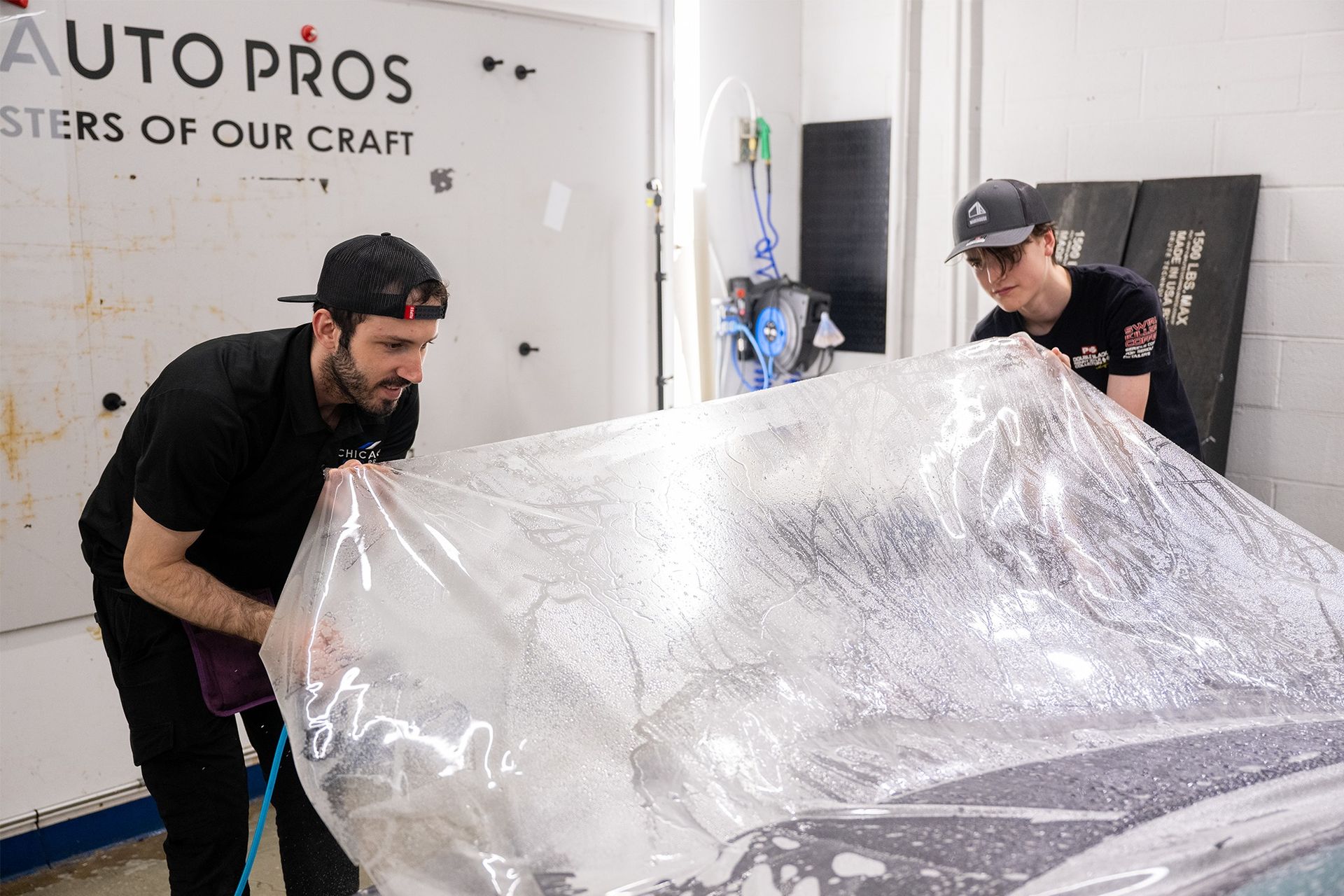
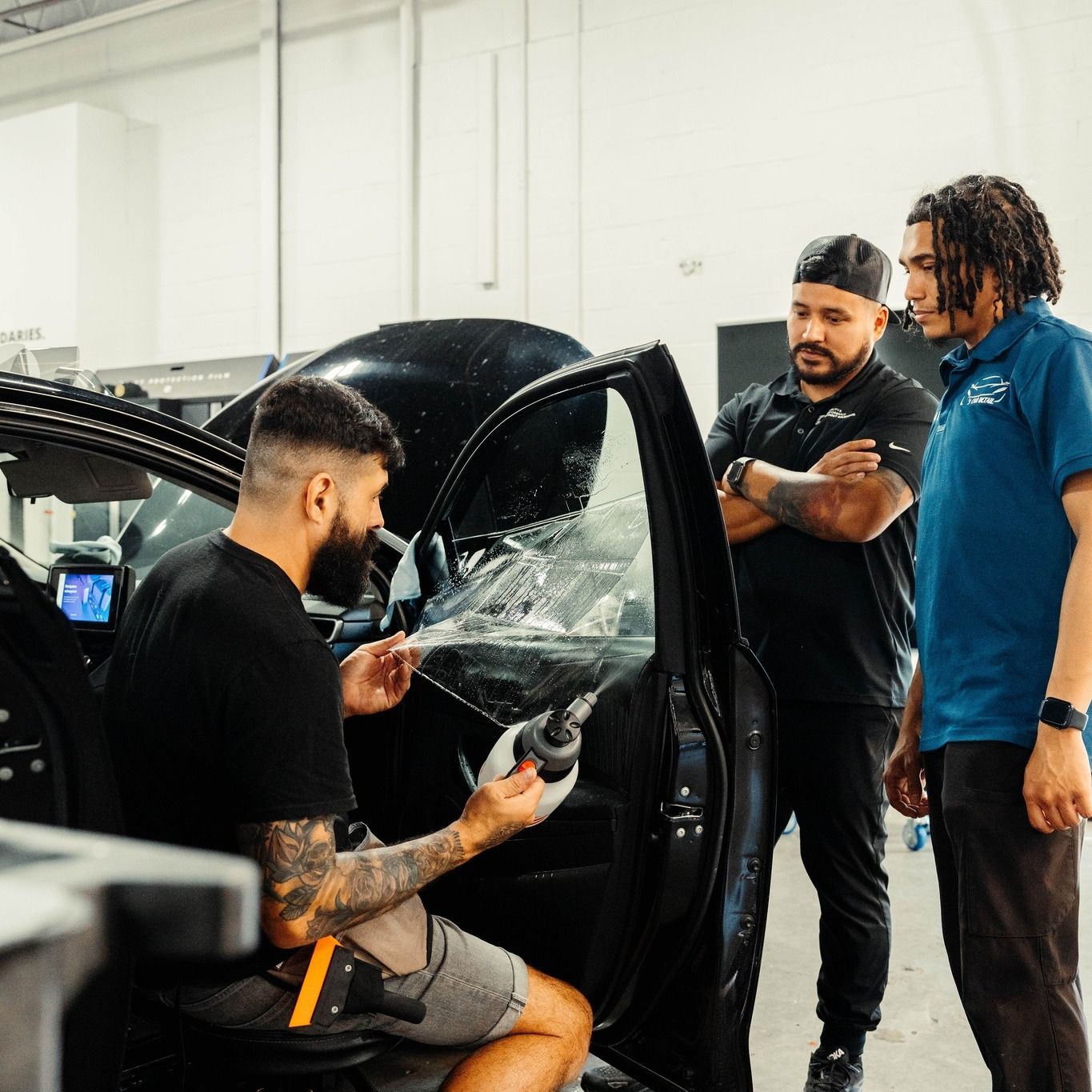
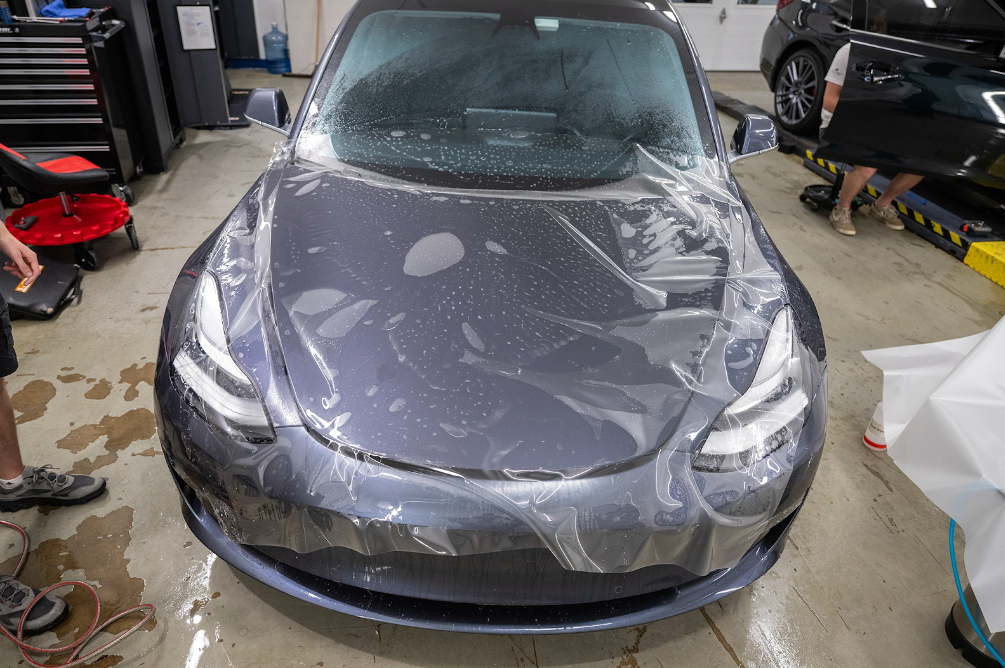
Protective solutions like ceramic coatings and paint protection film offer long term benefits through spring and beyond. They create a barrier that resists pollen dust and mineral buildup while making safe washing easier.
Spring is an ideal time for these services before Chicago summer heat arrives. Correcting and protecting paint early helps preserve the finish through harsher conditions ahead and reduces the risk of additional damage as temperatures climb.
Why Chicago Auto Pros Is Built for Chicagoland Spring Conditions
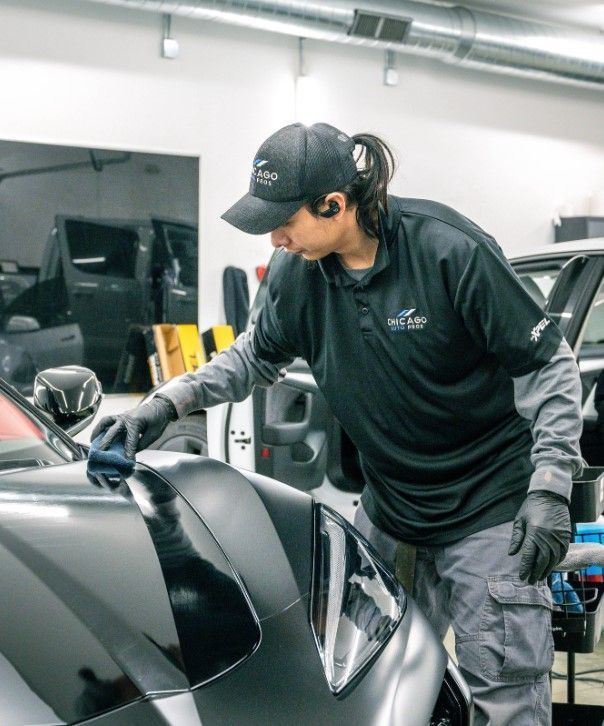
Chicago Auto Pros works in these conditions every single spring. Midwest pollen heavy wind driven dust constant temperature swings and rough road debris are not theoretical problems here. They are daily realities that demand a different level of care.
Instead of aggressive or rushed washing Chicago Auto Pros focuses on controlled correction. Every step is designed to minimize contact and prevent unnecessary abrasion. This approach avoids the damage that often comes from automated systems or rushed cleanings.
Protection options are tailored specifically for Chicago drivers. Ceramic coatings and paint protection film are selected and applied with local weather patterns in mind. The goal is not just short term shine but long term resistance against pollen grime rain and seasonal stress.
Chicago Auto Pros positions itself as a solution rather than a sales pitch. The focus is on educating drivers, correcting existing damage and helping vehicles stay protected through the most challenging months of the year.
Spring Does Not Have to Mean Swirl Marks
Swirl marks surge in spring for clear reasons. Pollen acts as an abrasive. Wind delivers dust and grit. Temperature swings weaken the clear coat. Washing mistakes turn good intentions into visible damage.
The season itself is not the enemy. Spring is actually one of the best times to protect your paint if the right steps are taken. Proper washing techniques, early correction and smart protection can stop damage before it compounds.
Whether your vehicle needs a professional inspection swirl mark correction or long term protection Chicago Auto Pros offers solutions built for Chicagoland conditions. Spring is the moment to get ahead of the damage rather than chase it later.
Share with your friends

We Make Your Car Look Beautiful
Founded with an unquenchable desire for automotive perfection, Chicago Auto Pros is a leader in paint protection efforts and aesthetic vehicle detailing services in Chicago, Illinois. When you bring your automobile to our Chicago-based detailing shop, you are sure to experience unmatched integrity, customer service excellence, and above all, absolute automotive perfection from the inside out. Choose the right auto detailing team - choose Chicago Auto Pros!
Lombard Location
207a Eisenhower Lane South, Lombard, Illinois 60148, United States
Glenview Location
2075 Johns Ct, Glenview, IL, 60025, United States
St. Charles Location
315 Industrial Dr, St Charles, IL 60174, United States