

The First 30 Days After Ceramic Coating: What to Do, What Not to Do, and Why It Matters
February 7, 2026
The First 30 Days After Ceramic Coating: What to Do, What Not to Do, and Why It Matters
Your ceramic coating is not done when you drive off the lot. It looks finished. It feels slick. The paint is glossy enough to make streetlights look like studio lighting. But beneath that instant shine, the coating is still in its most fragile phase.
The first 30 days after application are the break in period, the time when your ceramic coating finishes curing, hardens fully, and develops the chemical resistance that makes it worth the investment in the first place. What you do during this window can decide whether your coating performs like a long term shield or starts aging early like a cheap wax job.
This is not just detailer talk. The early days directly affect gloss, durability, scratch resistance, and hydrophobic performance. In other words, the very reasons you got ceramic coating.
And here in Chicago, the stakes are higher. Rain can hit overnight. Salt season can start early. Temperature swings can flip from mild to freezing fast enough to make your paint feel like it is living in two climates at once. That kind of environment is exactly why ceramic coating is popular here, and also why the first month matters more than most owners realize.
In this guide, we break down the first 30 days into two clear phases, Day 0 to Day 7 and Day 7 to Day 30. You will learn exactly what to do, what not to do, and why these steps directly affect how long your ceramic coating lasts and how good it looks for years to come.
What is Actually Happening in the First 30 Days The Science Made Simple
The rules you hear after ceramic coating can sound extreme. Do not wash it. Do not use chemicals. Do not touch it too much. It is easy to assume those warnings are just cautious advice or sales talk.
They are not. They are chemistry.
A ceramic coating does not simply sit on top of the paint like a wax. It is cured through a process that turns it from a soft film into a hardened protective layer that can resist chemicals, contamination, and light abrasion. The first 30 days are when the coating becomes what it was designed to be.
The Two Stage Cure Process
Ceramic coatings cure in two main stages.
First comes solvent evaporation. This is when the carrier solvents flash off and the coating starts to dry. This is why most coatings feel dry to the touch within hours.
Second comes chemical cross linking. This is the important part. The molecules in the coating begin bonding together and locking into place, forming a dense structure that becomes harder, more durable, and more chemically resistant over time.
In simple terms, the coating transforms from a soft film into a hardened, chemical resistant shield. That shield is what gives you the deep gloss, the slickness, and the water behavior that makes washing easier and protection stronger.
Cure Timeline What Most Coatings Need
Most ceramic coatings follow a similar general timeline, although exact cure times depend on the product and the environment.
Dry to the touch typically happens within hours.
Initial cure usually takes about 5 to 7 days.
Full strength often develops around 7 to 14 days, depending on the coating, the temperature, and the humidity.
That timeline matters because a coating can look perfect while still being vulnerable. It may bead water right away, but its chemical resistance and hardness are still developing. This is why installers push the no wash rule early on. The coating is setting up, and interference too soon can permanently change how it performs.
Why Early Care Changes Performance
Here is the part most people do not hear enough. Lab testing and professional coating resources have shown that properly cured coatings can deliver up to about 30 percent higher scratch resistance compared to coatings that are disturbed or improperly cured early on.
That difference is not minor. It is the line between a coating that stays glossy and resilient for years and one that starts looking tired early, losing slickness, water behavior, and overall durability long before it should.
Key takeaway. Interrupt the curing process and you permanently weaken the coating. The shine might still be there for a while, but the protection and longevity you paid for will not be.
Days 0 to 7 The Critical Curing Window
If the first 30 days are the break in period, then Days 0 to 7 are the fragile early hours when everything is setting in place. This is when the coating is still bonding, still hardening, and still building the chemical structure that gives it real durability. What you do now matters more than any wash routine you will follow later.
The goal for the first week is simple. Let the coating cure without disturbance. That means as little contact as possible and no exposure to anything that can interrupt the process.
What To Do Days 0 to 7
Avoid washing completely
This is the golden rule. Do not wash your car during the first week.
No soap
No water
No pressure washer
Even if the car looks like it needs it, resist. Washing introduces moisture, surfactants, and physical contact, all of which can interfere with curing.
If light dust appears, treat it like a trap. Unless your installer explicitly says it is safe, leave it alone. Dragging dust across a surface that is still curing can create micro marring or disrupt the coating where it is still soft.
Minimize water and contamination
If you can, keep the vehicle garaged or covered. The less exposure the better.
Watch for rain
Watch for bird droppings
Watch for tree sap
Those contaminants can stain or etch even coated surfaces, and they are especially risky when the coating is still curing.
If rain happens, do not panic. The best move is to gently blot standing water using a clean, soft microfiber towel. Use minimal pressure. The goal is to reduce spotting while keeping contact light.
Control the environment when possible
Ceramic coatings cure best in stable conditions. Moderate temperature and steady humidity support the cross linking process. When conditions swing hard, curing can slow or become compromised.
Avoid extreme cold when possible
Avoid heavy moisture exposure
Avoid repeated wet and dry cycles in the first week
And follow the manufacturer instructions that come with your coating. Some systems require longer no wash and low water exposure periods than others. A professional installer will know exactly what your coating needs, and that guidance matters more than generic advice.
What NOT To Do Days 0 to 7
No washing or pressure washing
This week is not the time to test the limits of your coating.
Soap and water can disrupt the bonding process, creating weak spots and streaking that can become permanent.
Pressure washing too soon is even riskier. The force can disturb or strip partially cured coating, especially at edges, trim, and high impact areas. Reputable installers recommend waiting at least a full week before any pressure washer comes near the surface.
Avoid harsh exposure
Automatic car washes are not just discouraged. They are completely off limits during this period, especially brush style tunnels. That mechanical action is far too aggressive for a coating that is still hardening.
Also avoid parking under trees and stay away from areas where industrial fallout is common. Sap and heavy contamination can become difficult to remove safely during this stage, and the wrong removal method can do more damage than the contamination itself.
Why This Week Matters
When you wash or scrub too early, you risk permanently weakening the ceramic coating before it reaches full hardness. That can lead to reduced scratch resistance, patchy hydrophobic behavior, and a shorter overall lifespan.
This is the week when the coating is building its foundation. If that foundation is disturbed, the coating may still look good for a while, but it will not perform like it should.
Think of it like drying concrete. Touch it too early and you will leave marks forever.
Days 7 to 30 Gentle Maintenance Phase
Once you get past the first week, the coating is more stable. It has completed its initial cure and is stronger, but it is still developing full chemical resistance. This is when owners start getting impatient. The car looks incredible and you want to wash it like normal.
This is also the month when good habits make your coating look better and last longer, and bad habits can quietly shorten its lifespan.
What To Do Days 7 to 30
Start with safe hand washes
After about 7 days, many professional guides say it is safe to wash, but only if you do it correctly.
Use a pH neutral shampoo
Use a soft wash mitt
Use a two bucket method
The goal is to clean without stripping or stressing the coating while it is still building strength.
If possible, use a shampoo that is compatible with your coating system. Many coating manufacturers make their own pH neutral soaps and recommend them because they are designed to work with the coating chemistry.
Dry immediately and carefully
Ceramic coatings bead water, which is great, but it does not mean you can let the car air dry. Minerals in water still create spots and deposits as droplets evaporate.
Dry right away with clean microfiber drying towels or use a blower to push water out of crevices. The less friction you create, the better. This is how you preserve gloss while avoiding micro marring during the coating’s early life.
Inspect for high spots early
High spots are the most common early issue people miss. They look like darker streaks, rainbow patches, or uneven smears, and they come from uneven application.
The reason to inspect early is simple. High spots are easier to correct before the coating fully hardens. Depending on severity, correction may involve light polishing or professional refinement, but the key is catching it early.
If you leave high spots alone, you lock in the visual defect and sometimes disrupt how water behaves across the panel.
Follow booster or topper schedule if your system requires it
Some ceramic coating systems recommend using a silica spray booster during the first month. This can add slickness, reinforce hydrophobic behavior, and help the surface stay cleaner longer.
Only use compatible products that are designed to work with your coating. Random sprays can cause bonding issues or reduce performance if the chemistry clashes.
What NOT To Do Days 7 to 30
Avoid automatic car washes
This is where ceramic coatings often start losing performance early.
Brush tunnels create micro scratches and swirls in both the clearcoat and the ceramic layer, which dulls gloss and reduces water behavior over time.
Touchless washes seem safer, but they usually rely on strong detergents that can degrade hydrophobic properties and shorten coating life with repeated use.
Detailers report that frequent automatic washing can significantly reduce coating lifespan, in some cases cutting expected longevity roughly in half. If you invested in ceramic, it does not make sense to undo it with harsh weekly wash tunnels.
Skip harsh chemicals and abrasives
Avoid strong alkaline cleaners
Avoid acidic cleaners
Avoid heavy degreasers
Avoid abrasive polishes
Also avoid clay bars and compounding unless a professional is intentionally correcting or removing the coating. Those processes are designed to shear contaminants or level paint, and they can also remove or damage fresh ceramic coating if used improperly.
Why This Month Matters
The way you maintain your vehicle in the first month sets the tone for everything that comes after.
This is when your wash habits shape long term gloss
This is when you preserve slickness
This is when hydrophobic behavior stays tight
This is when durability is built into your routine
Gentle care during Days 7 to 30 protects that deep gloss and signature water beading that makes ceramic coating look elite. Aggressive washing, strong detergents, and automatic tunnels age the coating prematurely, making it harder to clean and dulling the finish faster than it should.
If you treat this month like a break in period, your coating rewards you for years.
What Happens If You Do Not Follow These Rules Real World Consequences
Ceramic coating is one of the best upgrades you can give your paint, but it is not invincible. In the first 30 days, the coating is still developing its hardness and chemical resistance. If you treat it like it is fully cured from day one, the consequences show up faster than most people expect.
Not always in dramatic ways. Sometimes it is subtle. A little less slickness. Water does not bead as tightly. Dirt clings a bit more. But those small changes are the early signs that the coating is not performing at full potential.
Here is what can happen when early aftercare is ignored.
Water spotting and mineral etching
If the car is left wet during the cure period, minerals in the water can dry into the surface and leave spots. Over time, those deposits can harden and create etching that becomes difficult to remove without polishing.
This is why drying is emphasized even on ceramic coated vehicles. Yes, the coating beads water. But when droplets evaporate, minerals stay behind.
Streaking and patchy hydrophobic behavior
Early washing and scrubbing can disrupt curing and create weak spots. The result is inconsistent water behavior. Some panels bead beautifully while others sheet awkwardly or grab dirt.
This patchy hydrophobic performance is one of the most common signs that a coating was disturbed too soon. It often looks like the coating is failing, even when it is really unevenly cured.
Reduced gloss
That fresh coating glow depends on the surface remaining smooth and uncompromised. Dragging dust across the paint, washing too early, or using harsh chemicals can create micro marring that dulls the finish.
You may still have protection, but the car will not look like it was just coated. The depth and clarity fade faster when early care is aggressive.
Early failure or shortened lifespan
Ceramic coatings are marketed to last years. But that lifespan assumes proper cure and proper maintenance. Automatic washes, harsh detergents, and early abrasion can shorten longevity significantly.
When the coating never reaches full strength, it simply cannot hold up the way it should. It becomes a compromised layer that wears down faster and loses its water behavior sooner.
More decontamination later means more risk to the coating
Once a coating is weakened, contaminants bond more easily. You end up needing stronger chemicals, more scrubbing, or professional decontamination to restore the surface.
And every time you escalate cleaning methods, you increase the chance of damaging the coating. The best way to keep maintenance easy is to protect the coating during the month when it is still building its strength.
Why This Matters Long Term The Big 3 Benefits of Proper Curing
When you follow the first month rules, you are not just being cautious. You are protecting the performance you paid for.
Proper curing sets the stage for the three biggest long term benefits of ceramic coating. Durability, appearance, and real protection.
Durability and Lifespan
Ceramic coatings are designed to last for years when properly cured and maintained. But poor early care can shorten that lifespan before the coating even reaches full hardness.
Automatic wash habits accelerate degradation because they introduce strong detergents and repeated mechanical stress.
Over time that wears away the coating’s slickness and water behavior, and the surface starts acting like it is unprotected.
If you want years of performance, the coating has to cure correctly and stay uncompromised early on.
Gloss and Hydrophobicity
The most satisfying part of ceramic coating is how it looks and how it behaves. The deep gloss. The slick feel. The tight water beading that makes the car look freshly detailed even after rain.
That hydrophobic behavior depends on intact surface chemistry. Aggressive detergents and brushes slowly erode that chemistry. As the surface changes, the coating beads less, looks duller, and becomes harder to clean because grime sticks more easily.
Gentle early care preserves the coating’s finish when it is at its best and helps it stay that way.
Real Protection Not Just Shine
Ceramic coating is not just a gloss enhancer. A fully cured, uncompromised coating provides stronger resistance to UV exposure, chemical etching, and light scratching.
When the coating is allowed to cure correctly, professional coating research shows measurable improvements in chemical resistance and scratch resistance compared to coatings that are disturbed too soon.
That is why the first 30 days matter. You are not babying the coating. You are allowing it to become the protective barrier it was designed to be.
Chicago Specific Aftercare Tips Local Angle
Ceramic coating is built for real world driving, but Chicago is not exactly gentle on paint. The first 30 days after your coating is applied are already the most important part of the process, and local conditions can make that window even trickier.
If you want your coating to cure cleanly and perform at its best, it helps to treat the first month like a Chicago specific strategy, not generic advice pulled from a brochure.
Chicago rain and lake humidity can increase water spotting risk early
Between sudden rain and lake driven humidity, moisture is a constant factor here. Even when the forecast looks clear, overnight condensation can settle on the paint.
That matters because water spots are not just a cosmetic nuisance. Mineral deposits can dry into the surface, and during early curing they can be harder to prevent and harder to remove safely.
The solution is not constant wiping or over handling the paint. The best move is prevention when possible and careful drying when necessary. If the car gets wet in the first week, gently blot standing water with clean microfiber and avoid rubbing. After the first week, dry after every wash instead of letting water air dry on the surface.
Temperature swings can slow curing
Chicago temperature swings are famous for a reason. A mild afternoon can become a freezing night, and that kind of fluctuation can affect the curing process.
Ceramic coatings cure through chemical reactions that perform best in stable conditions. When temperatures drop sharply or stay consistently cold, curing can slow, meaning the coating remains more vulnerable for longer.
If your coating was applied during colder months, it is even more important to follow your installer’s instructions on cure time and first wash timing. In some cases, the safest path is simply giving it more time before introducing water and contact.
Winter road salt and grime makes first wash timing tempting so be careful
This is the Chicago trap. You get the coating installed, then a few days later the roads are wet and salty, and the car looks like it was driven through gray sludge. The urge to wash is intense.
But washing too early is one of the fastest ways to weaken a coating before it has finished curing. Salt and grime are frustrating, but the wrong wash in the first week can lead to reduced hardness, uneven water behavior, and premature wear.
If you are in the first seven days and the car is heavily contaminated, the safest move is to contact your installer instead of improvising. A professional can advise on whether it should be left alone, safely rinsed, or carefully addressed without compromising the coating.
If you are unsure, choose a professional coating safe maintenance wash in the first 30 days
If you are not confident in your wash process, the first month is not the time to experiment. This is where a professional coating safe maintenance wash can protect your investment.
A proper detail shop will use pH neutral products, safe wash media, controlled drying, and coating compatible toppers if required. That ensures the coating stays intact while the cure process finishes, and it keeps your car looking the way ceramic coating is supposed to look.
Chicago Auto Pros Expert Recommendation Subtle CTA Section
The easiest way to protect a ceramic coating is to treat the first month like part of the installation, not something separate from it.
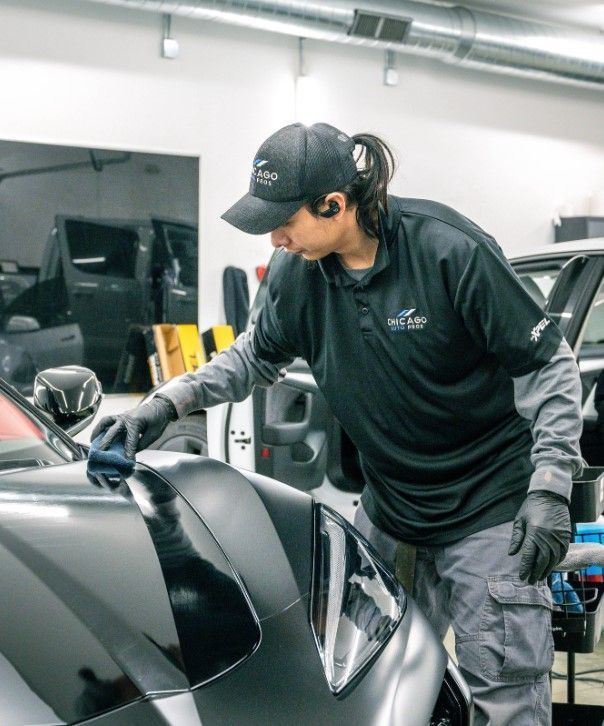
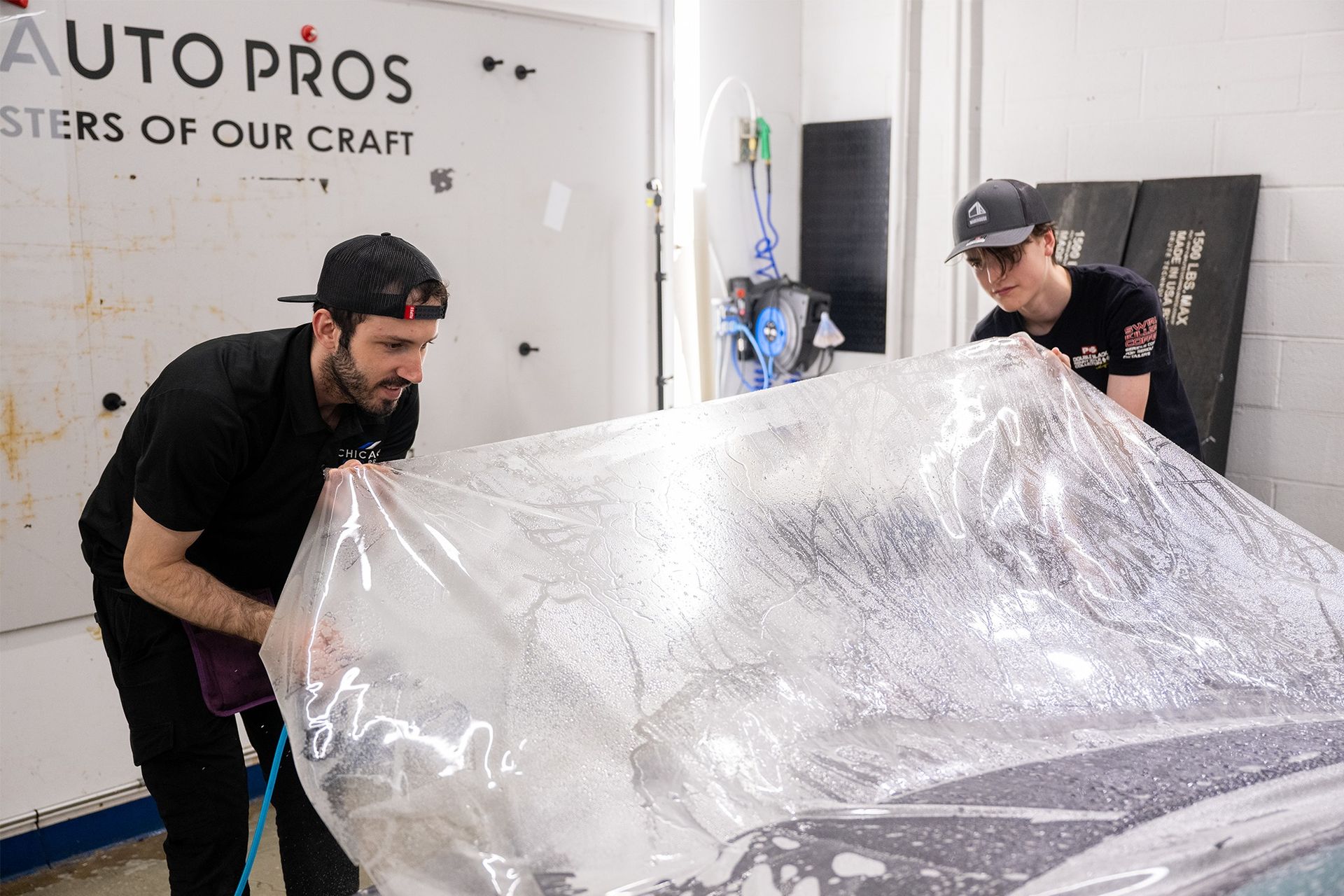
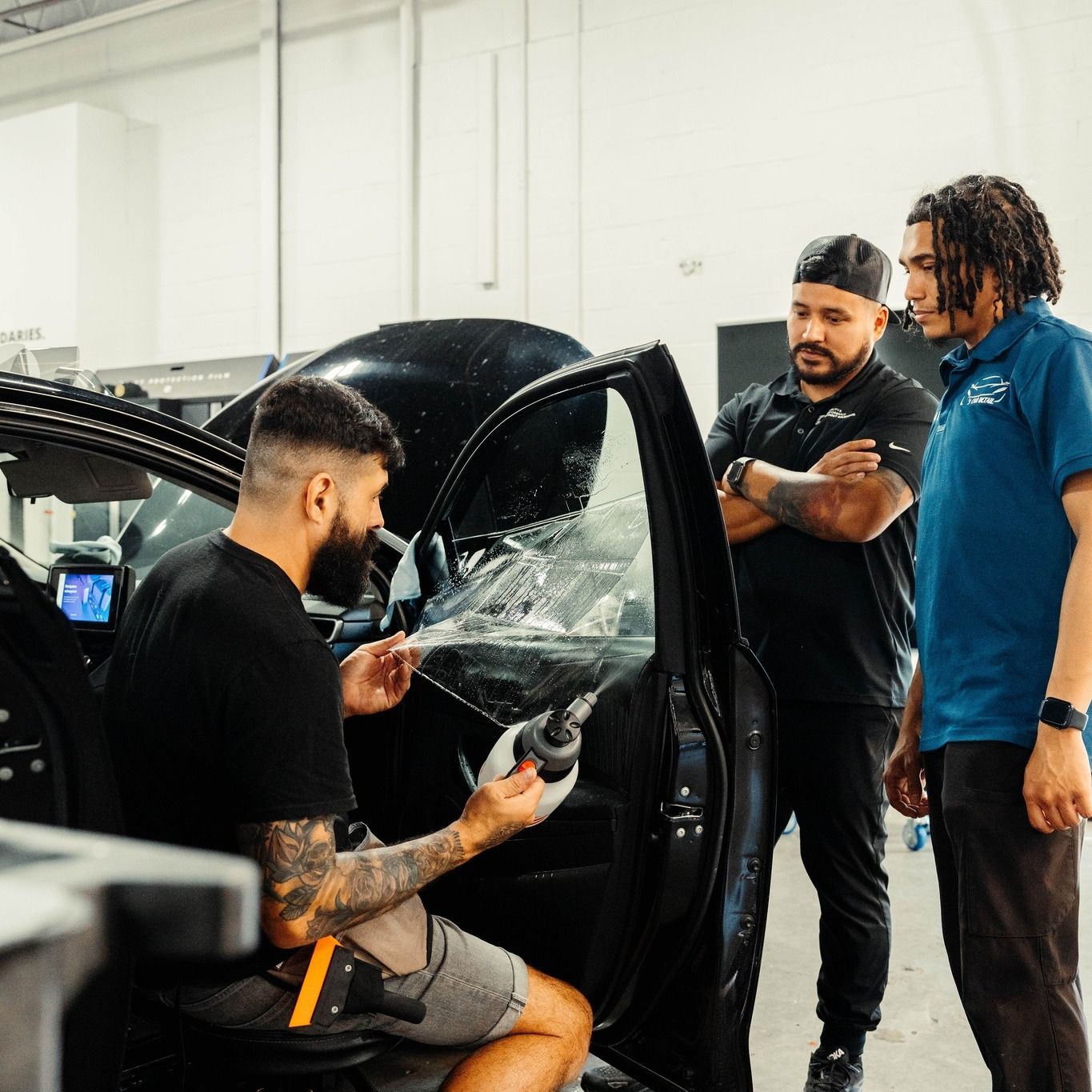
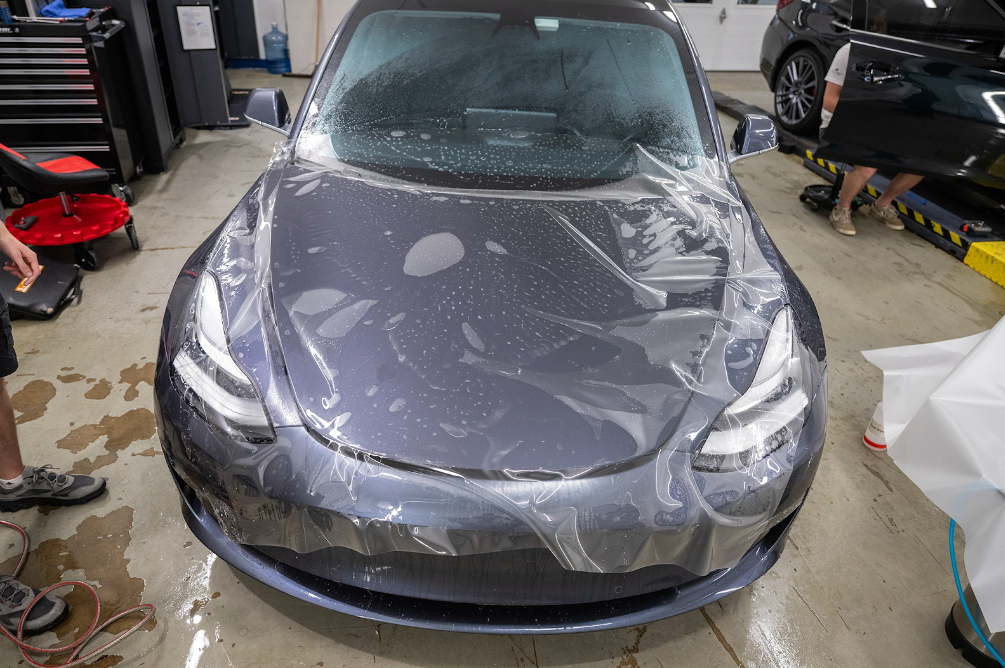
At Chicago Auto Pros, ceramic coating is not just a product we apply. It is a system we install, cure, and support. The first 30 days are when small mistakes can quietly shorten coating life, and professional guidance makes all the difference.
A professional installer can help you spot high spots early, when they are still easiest to correct and before they lock into the finish. They can guide you toward product safe washing so you are not accidentally degrading the coating with the wrong soap, the wrong towels, or the wrong wash method. They can provide coating safe wash services during the critical first month so your car stays clean without risking the cure process. And they can help maintain coating performance long term so your gloss and water behavior stay strong for years.
If you want the coating to last years, not months, your first month matters.
Share with your friends

We Make Your Car Look Beautiful
Founded with an unquenchable desire for automotive perfection, Chicago Auto Pros is a leader in paint protection efforts and aesthetic vehicle detailing services in Chicago, Illinois. When you bring your automobile to our Chicago-based detailing shop, you are sure to experience unmatched integrity, customer service excellence, and above all, absolute automotive perfection from the inside out. Choose the right auto detailing team - choose Chicago Auto Pros!
Lombard Location
207a Eisenhower Lane South, Lombard, Illinois 60148, United States
Glenview Location
2075 Johns Ct, Glenview, IL, 60025, United States
St. Charles Location
315 Industrial Dr, St Charles, IL 60174, United States