

The Next Decade of Vehicle Protection
The Next Decade of Vehicle Protection
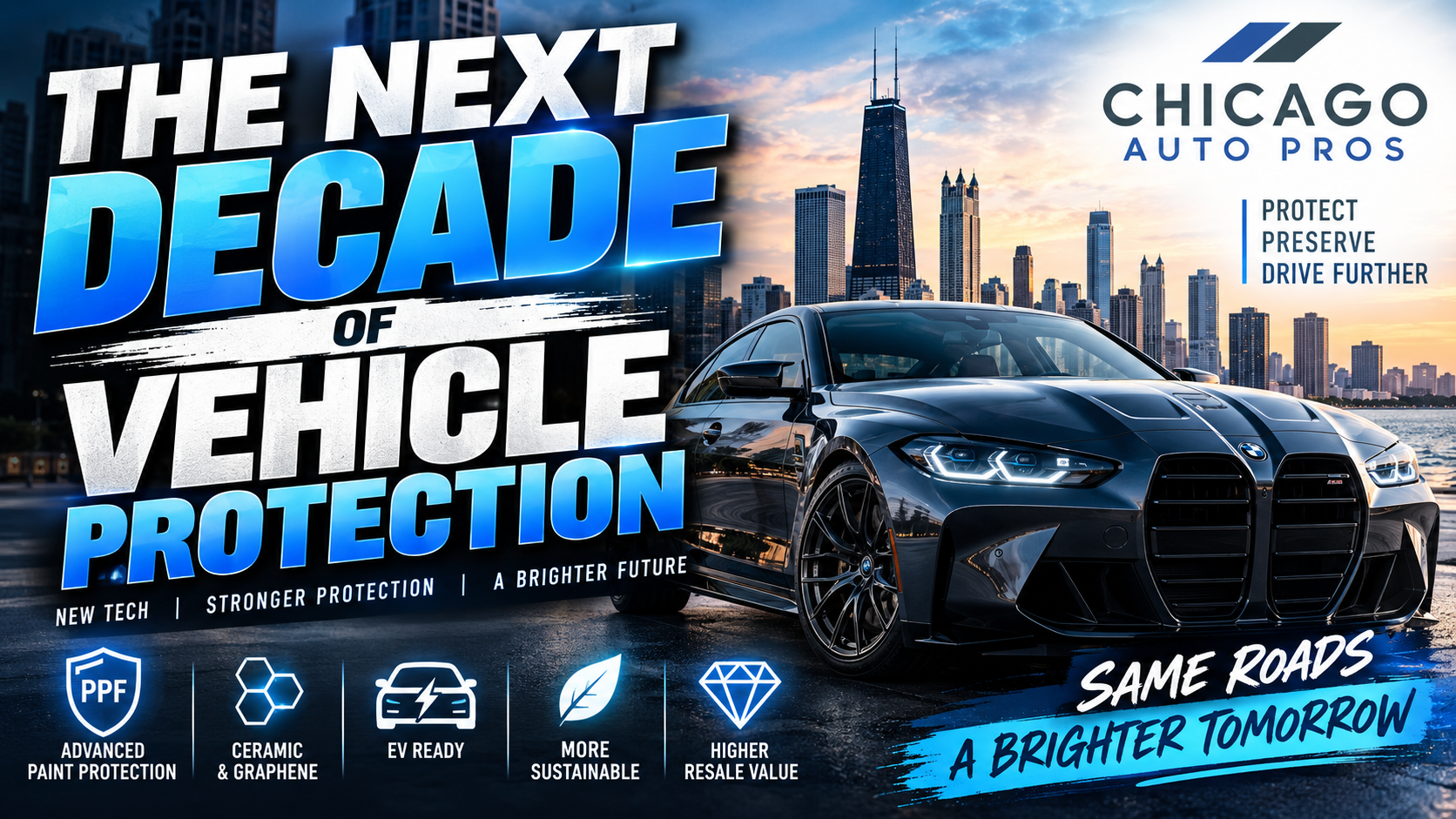
The Way We Protect Cars Is About to Change
Vehicle protection used to be relatively simple. Keep the car clean, apply wax every few months, touch up the occasional chip, and hope the paint still looked respectable several years down the road.
That approach is quickly becoming outdated.
Vehicles are becoming more expensive, more technologically advanced, and increasingly complex to repair. At the same time, many owners are keeping their vehicles longer and paying closer attention to the condition they will be in several years from now.
Electric and hybrid vehicles are introducing new body designs, specialty finishes, large painted panels, expansive glass, and technology filled interiors. Paint Protection Film continues to improve. Ceramic coatings are becoming more specialized. Interior protection is expanding beyond traditional leather and fabric care.
The result is a different philosophy toward vehicle ownership.
Instead of waiting for damage and then trying to correct it, more owners are looking for ways to prevent that damage from happening in the first place.
Paint Protection Film, ceramic coatings, interior protection, window tint, and professional maintenance can increasingly work together as parts of one larger strategy.
The future of vehicle protection will not revolve around one miracle product. It will revolve around combining the right protection with the right surfaces and maintaining that protection throughout ownership.
Vehicle Protection Is Moving From Optional to Expected
There was a time when Paint Protection Film and ceramic coatings were largely associated with exotic cars, collector vehicles, and enthusiasts who obsessed over every inch of their paint.
That audience is getting much larger.
Today, protection makes sense for vehicles that are far more ordinary in how they are used, even when they are anything but ordinary in value.
Daily drivers are exposed to road debris every morning. SUVs encounter tight parking lots, family use, construction zones, and winter grime. Performance cars see highway miles and aggressive front end exposure. EVs often combine expensive finishes with large painted surfaces. Trucks encounter their own combination of road wear, loading damage, and environmental contamination.
Then there are owners who simply plan to keep their vehicle for a long time.
That may become one of the biggest drivers of vehicle protection over the next decade.
When someone expects to own a vehicle for many years, the conversation changes. A rock chip is no longer something that only needs to look acceptable until the lease ends. Swirls, scratches, staining, oxidation, and repeated paint correction become cumulative problems.
Protection begins to make more sense as part of ownership itself.
For a growing number of buyers, the question may eventually stop being whether a new vehicle should receive protection.
The question will become how much protection makes sense.
Paint Protection Film Will Become More Advanced and More Normal
Paint Protection Film has already changed dramatically from the early clear films many drivers remember.
The next decade should push that evolution even further.
Modern film development continues to focus on better optical clarity, improved resistance to yellowing, stronger ultraviolet stability, better chemical resistance, hydrophobic topcoats, and improved resistance against everyday road impacts.
Self healing technology is another important part of that progression.
The goal is increasingly to create film that can recover from light surface marks while maintaining the clarity and finish drivers expect from premium paint.
That matters because PPF is moving beyond the enthusiast market.
For the everyday driver, protection needs to disappear visually while doing its job physically. Most owners do not want their vehicle to look wrapped in protective material. They want the original finish to remain the star.
As film technology improves, that balance between protection and appearance should continue getting better.
Full Vehicle Protection Could Become More Common
For years, the traditional PPF package focused heavily on the front of the vehicle.
The bumper, hood, mirrors, and front fenders made obvious sense because they receive some of the greatest exposure to road debris.
That logic is not disappearing.
What is changing is the ability to customize coverage around the entire vehicle.
Digital templates, precise patterns, vehicle specific kits, and increasingly efficient installation processes are making it easier for professional installers to approach protection strategically.
A highway commuter may prioritize the entire front end.
A performance car owner may add rocker panels because of wider tires and aggressive bodywork.
An urban Chicago driver may care about door edges and loading areas.
Someone purchasing a vehicle they intend to keep for many years may decide that full vehicle PPF makes more sense than repeatedly correcting exposed paint.
There will not be one universal answer.
That is exactly the point.
The next generation of PPF coverage will increasingly be determined by how the vehicle is driven, where it lives, what surfaces receive the most abuse, and how long the owner intends to keep it.
Automakers Are Beginning to Normalize Paint Protection
One of the most important changes may happen before the vehicle ever reaches a professional detail shop.
Automakers and dealerships are increasingly introducing protection into the purchasing experience itself.
Factory installed protection, dealer packages, vehicle specific film kits, and protection on vulnerable areas are helping introduce drivers to PPF much earlier in the ownership process.
That matters because familiarity changes perception.
Once drivers begin seeing protection as something that can arrive with a new vehicle, PPF stops feeling like an unusual aftermarket modification.
It starts feeling like part of responsible ownership.
Future buyers may be less likely to ask, “Does my car need PPF?”
Instead, they may ask, “How much of my car should I protect?”
That shift also makes professional installation increasingly important.
Factory or dealer protection may cover certain vulnerable areas, but owners who want broader coverage, customized packages, specialized finishes, or ongoing maintenance may still benefit from working with an experienced protection shop.
At Chicago Auto Pros, that means looking beyond a generic package and considering how the vehicle will actually be driven throughout Chicago and the Midwest.
The best protection strategy is rarely identical for every vehicle.
Ceramic Coatings Are Evolving Rather Than Disappearing
Every few years, a new product arrives with claims that it will make everything before it obsolete.
Ceramic coatings are unlikely to disappear that easily.
Instead, they are evolving.
Future coating systems are likely to become more specialized around specific ownership needs. That means more predictable curing, stronger chemical resistance, improved hydrophobic behavior, better ultraviolet resistance, clearer durability categories, and maintenance products designed to support the original coating.
Graphene and hybrid technologies will also continue developing.
But newer does not automatically mean better for every vehicle.
A coating should be judged by how well it performs for the owner, the surface, the environment, and the maintenance routine rather than by whichever chemistry currently has the most impressive marketing language.
That could also change the way drivers shop for coatings.
Instead of simply asking which coating lasts the longest, owners may begin asking better questions.
How is the vehicle stored?
How often is it washed?
How much winter driving does it see?
What kind of finish does it have?
What level of gloss is desired?
Is part of the vehicle already protected with PPF?
Those questions lead to a more useful protection strategy than choosing a coating based solely on an advertised lifespan.
The Future Is a Protection System, Not a Single Product
This may be the biggest change of all.
Vehicle protection is becoming a system.
Paint Protection Film and ceramic coatings are sometimes discussed as competing products, but they address different problems.
Paint Protection Film
- Physical impact protection
- Rock chip resistance
- Abrasion protection
- Protection for vulnerable surfaces
Ceramic and Hybrid Coatings
- Contamination resistance
- Gloss enhancement
- Hydrophobic performance
- Simplified washing
- Surface preservation
That distinction makes combining them increasingly logical.
A vehicle might receive PPF across the front bumper, hood, fenders, mirrors, rocker panels, and other impact prone areas. Ceramic or hybrid protection can then be used across other exterior surfaces to improve gloss, simplify cleaning, and help manage contamination.
Interior protection can address another category of wear entirely.
Professional maintenance keeps the complete system performing and looking the way it should.
This is where vehicle protection becomes less about buying products and more about designing a plan.
The smartest protection package of the next decade may not be the one with the highest price or the most coverage.
It will be the one that matches the vehicle and the life it actually lives.
EVs Will Change What Owners Expect From Vehicle Protection
Electric vehicles are not simply changing what powers cars. They are also changing what owners may expect from vehicle care.
Modern EVs can feature specialty paint finishes, matte and satin surfaces, multicoat colors, expansive glass, aerodynamic front ends, large painted panels, cameras, sensors, screens, and increasingly sophisticated interiors.
Many of those surfaces are expensive or inconvenient to repair once damaged.
That makes prevention more compelling.
Paint Protection Film can defend vulnerable exterior areas from physical road wear. Ceramic coatings can simplify exterior maintenance and help protect against contamination. Window tint can address comfort, glare, and solar exposure. Windshield protection can provide another layer of defense for one of the largest exposed surfaces on many modern vehicles.
Inside the cabin, the protection conversation is expanding as well.
Large infotainment displays, instrument screens, gloss trim, touch surfaces, and specialty interior materials create entirely new areas where owners may want to prevent scratches and premature wear.
EV adoption could therefore accelerate something already happening across the detailing industry.
Drivers are beginning to think about the entire vehicle rather than paint alone.
And as vehicles become more technologically sophisticated, protecting them from day one may become increasingly appealing compared with repairing their most vulnerable surfaces later.
Protection Is Moving Inside the Vehicle Too
For decades, protecting a vehicle usually meant protecting its paint.
That definition is getting much broader.
Step inside a modern vehicle and some of the most frequently touched surfaces are no longer simple buttons, switches, and hard plastic panels. Large infotainment displays dominate dashboards. Digital instrument clusters replace traditional gauges. Glossy trim surrounds center consoles. Soft touch materials, premium upholstery, specialty finishes, and touch sensitive controls appear throughout the cabin.
These materials make interiors more sophisticated, but they also introduce new opportunities for wear.
Screens can develop scratches. Glossy trim can collect fine marks. High contact controls are constantly exposed to skin oils and contamination. Light colored upholstery can gradually discolor. Specialty materials can react poorly when cleaned with products that were never designed for them.
That is why interior protection is beginning to follow the same philosophy that transformed exterior vehicle care.
Instead of waiting until a surface is damaged, protect the areas most likely to experience wear.
Protective film could become increasingly common on infotainment displays, instrument clusters, gloss trim, and other vulnerable surfaces. Interior coatings can provide another option for upholstery, leather, fabric, and selected trim surfaces where appropriate.
None of that eliminates traditional detailing.
Deep interior cleaning, odor management, material appropriate cleaning, fabric protection, upholstery care, and regular maintenance will remain essential. In fact, they may become even more important as manufacturers introduce increasingly diverse materials into vehicle cabins.
The interior of tomorrow may require the same thoughtful approach we already use for exterior paint.
Identify the material. Understand how it is used. Protect vulnerable areas. Maintain everything correctly.
Technology Will Change How Protection Is Installed and Maintained
The products protecting vehicles are changing, but so are the tools used to install and manage them.
Paint Protection Film is a good example.
Digital vehicle templates and increasingly precise precut patterns allow installers to work from designs created specifically for individual vehicles and panels. Advanced plotting systems can improve consistency and reduce unnecessary material use while helping installers tackle increasingly complex body shapes.
As these systems improve, the installation process should become even more precise.
But the bigger technological change may happen after the vehicle leaves the shop.
Imagine having a detailed digital record showing exactly which panels received PPF, which coating was installed, when the work was completed, what maintenance has been performed, and when the vehicle should return for its next inspection.
Digital inspections and photo documentation could make that history easier to follow. Maintenance reminders could help owners stay ahead of service. Warranty tracking could become simpler. Online scheduling and customer portals could keep everything connected.
That creates a very different relationship between a driver and a professional detailer.
The shop of the future may not simply install protection and hand back the keys.
It may help manage that protection throughout the life of the vehicle.
Vehicle Protection Will Become an Ongoing Ownership Program
A ceramic coating installation should not be the last time a professional sees the vehicle.
Neither should PPF.
As protection becomes more sophisticated, owners will increasingly benefit from treating it as an ongoing maintenance program rather than a single appointment.
That could include maintenance detailing, coating inspections, PPF inspections, maintenance washes, ceramic toppers, annual evaluations, digital service histories, and warranty tracking.
Protection packages themselves may become more flexible as well.
One driver might want straightforward protection for a three year ownership period. Another may be building a plan around keeping the same vehicle for a decade. An enthusiast may want extensive coverage and frequent professional maintenance, while a daily commuter may care primarily about protecting the areas receiving the greatest abuse.
Whatever the situation, customers should be able to get clear answers to three basic questions.
What protection am I getting?
How long should it perform?
What do I need to do to maintain it?
Those questions sound simple, but they represent where professional vehicle protection is heading.
At Chicago Auto Pros, the goal is not simply to think about what happens on installation day. A better protection strategy considers how the vehicle will be driven, where it will be stored, what conditions it will encounter, and how the owner plans to maintain it over time.
The installation matters.
What happens afterward matters too.
Chicago Will Make Advanced Protection Especially Relevant
Chicago is an excellent place to understand why vehicle protection is becoming more comprehensive.
A vehicle here does not encounter one environment.
It encounters several.
Winter brings road salt, brine, sand, slush, and loose debris. Freeze and thaw cycles contribute to rough roads and potholes. Spring introduces contamination and the construction season. Summer brings stronger ultraviolet exposure, insects, bird droppings, road trips, and highway driving. Then temperatures begin falling again and the cycle repeats.
That means the same vehicle can experience dramatically different threats within a single year.
PPF can make sense across front bumpers, hoods, fenders, mirrors, rocker panels, and other areas regularly exposed to physical impact.
Ceramic coatings address a different problem by making exterior surfaces easier to maintain while helping manage environmental contamination.
Window tint can contribute to cabin comfort while helping manage glare and ultraviolet exposure.
Professional detailing connects the system by removing contamination and maintaining protected and unprotected surfaces correctly.
For an owner who trades vehicles frequently, some of that deterioration may never become particularly noticeable.
Keep the same vehicle for five, seven, or ten years and the story changes.
Every winter matters. Every construction season matters. Every highway commute matters.
The longer the ownership period becomes, the more valuable prevention can become compared with trying to reverse years of accumulated wear later.
Sustainability Will Influence What Protection Products Look Like
Performance will remain the priority, but the chemistry behind protection products is likely to receive more attention during the next decade.
Development is already moving toward lower VOC formulations, waterborne technologies, safer additives, more environmentally conscious chemistry, and more efficient use of products and materials.
That does not mean customers will suddenly choose a coating entirely because of its environmental profile.
They will still expect it to perform.
What may change is the amount of information customers expect alongside that performance.
What is in the product?
How is it applied?
How much material is required?
What safety considerations are involved?
What environmental decisions were made during its development?
Greater transparency could become another sign of a premium protection product.
The future may therefore involve improving what protection products do while also improving how responsibly they achieve it.
What Vehicle Protection Could Look Like Ten Years From Now
Imagine purchasing a new vehicle ten years from now.
Instead of waiting several months before thinking about protection, the conversation could begin almost immediately.
What type of vehicle did you purchase?
What paint finish does it have?
How many miles will you drive every year?
Will it spend most nights in a garage or outside?
How much Chicago winter driving will it experience?
How long do you plan to own it?
What is your budget?
How important is preserving its condition for resale?
Those answers could determine the entire protection strategy.
A highway driven vehicle might receive PPF across its highest impact areas. Ceramic or hybrid protection could cover other exterior surfaces. Window tint could address comfort and solar exposure. Interior film could protect screens and gloss trim. Other interior surfaces could receive appropriate protection based on their materials.
From there, regular maintenance detailing and annual protection inspections could keep everything performing properly.
A digital service history could document what was installed, when it was maintained, and how the vehicle was cared for throughout ownership.
That is a significant change from the old approach.
Vehicle protection becomes less about purchasing a coating, film, or detail.
It becomes about managing the condition of the vehicle.
What Chicago Auto Pros Sees as the Future of Vehicle Protection
The next decade will undoubtedly introduce products and technologies we cannot fully predict today.
But better technology will not eliminate the need for expertise.
It may increase it.
Professional detailers will need to understand paint evaluation, paint correction, PPF, ceramic coatings, specialty finishes, window tint, interior protection, maintenance, product compatibility, and long term protection planning.
Knowing how to install a product will only be part of the job.
Knowing when to use it will matter just as much.
A vehicle that spends every weekday commuting on Chicago expressways has different priorities from a collector car that rarely leaves a climate controlled garage. A leased EV has different ownership goals from a Porsche someone intends to keep for twenty years.
There should not be one protection package for all three.
At Chicago Auto Pros, we believe the future of professional detailing will increasingly revolve around understanding those differences.
Technology will continue improving. Films will evolve. Coatings will change. Installation tools will become more precise.
The fundamental question will remain remarkably simple.
What does this particular vehicle need to stay at its best?
Conclusion
The Next Decade Is About Protecting the Entire Ownership Experience
The future of vehicle protection can be understood through three major shifts.
From optional to expected
Advanced protection is becoming relevant to far more than exotic and collector vehicles. Daily drivers, luxury vehicles, performance cars, trucks, SUVs, hybrids, and EVs can all benefit from protection designed around how they are actually used.
From one product to a complete system
PPF handles physical impact. Ceramic and hybrid coatings help manage contamination and maintenance. Window tint addresses another set of concerns. Interior protection preserves increasingly sophisticated cabin surfaces. Professional detailing helps maintain the entire system.
From one service to an ongoing relationship
Protection does not have to end when the installation is finished. Inspections, maintenance, documentation, and professional care can follow the vehicle throughout ownership.
The most important advancement of the next decade may not be a futuristic coating or an incredibly sophisticated piece of film.
It may be a better way of thinking about vehicle ownership.
Instead of waiting for rock chips, scratches, fading, contamination, and years of Chicago driving to leave their mark, owners can increasingly make preservation part of the plan from the beginning.
If you are thinking about protecting a new vehicle or improving the protection on one you already own, Chicago Auto Pros can help build a strategy around your vehicle, driving habits, ownership timeline, and long term goals.
Because the future of vehicle protection is not simply about keeping a car looking new.
It is about helping it age better.
Share with your friends


We Make Your Car Look Beautiful
Founded with an unquenchable desire for automotive perfection, Chicago Auto Pros is a leader in paint protection efforts and aesthetic vehicle detailing services in Chicago, Illinois. When you bring your automobile to our Chicago-based detailing shop, you are sure to experience unmatched integrity, customer service excellence, and above all, absolute automotive perfection from the inside out. Choose the right auto detailing team - choose Chicago Auto Pros!
Lombard Location
207a Eisenhower Lane South, Lombard, Illinois 60148, United States
Glenview Location
2075 Johns Ct, Glenview, IL, 60025, United States
St. Charles Location
315 Industrial Dr, St Charles, IL 60174, United States