

The Psychology of Driving a Clean Car
The Psychology of Driving a Clean Car

The State of Your Car, The State of Your Mind
You open the door and pause. One version of your car greets you with crumpled receipts, a thin film of dust catching the light, a faint stale scent that lingers just long enough to irritate. The other version feels different before you even sit down. Surfaces gleam. The air feels lighter. Everything is in its place, as if the space itself is exhaling.
So here is the question that quietly sits in the driver seat with you. Why does a clean car feel like more than just clean?
The answer cuts deeper than aesthetics. Driving a clean car is not about vanity. It is about psychology. It is about how your brain responds to order, how your senses interpret space, and how that shapes your state of mind before you even turn the key.
In a city like Chicago, where movement is constant and the pace rarely softens, your car becomes something more than transportation. It becomes one of the few environments you can fully control. And that control carries weight.
The Brain on Clean: Why Order Feels So Good
The human brain craves control, even in small doses. Psychologists call this environmental control, the ability to shape and manage the spaces we occupy. When that control is present, the mind settles. When it is absent, tension creeps in.
Orderly spaces are processed with ease. The brain does not have to work as hard to filter distractions or interpret visual clutter. In contrast, chaotic environments demand attention in all directions at once. That subtle strain builds over time, often without you noticing until you feel it as fatigue or irritation.
Clean environments trigger something simpler and more powerful. They create a sense of clarity. That clarity feeds directly into emotional response, nudging the brain toward calm, focus, and even quiet satisfaction.
Your car is a micro environment, small but deeply influential. It is where mornings begin, where long days decompress, where thoughts settle between destinations.
When that space is clean, the effect is immediate. Your mood shifts, not dramatically, but enough to change the tone of your entire drive.
Mood Enhancement: Turning Your Car Into a Moving Sanctuary
There is a distinct moment when a car goes from cluttered to clean. It is not just visual. It is emotional. The space feels intentional, almost protective, like a small retreat that moves with you through traffic and time.
That transformation taps into dopamine, the same chemical linked to accomplishment and reward. Cleaning creates a visible before and after, and the brain registers that shift as progress. Even a short commute begins to feel less like a chore and more like a controlled pause in the day.
Then come the sensory details. A clean interior has a quiet shine that reflects light without distraction. The air carries a freshness that feels subtle but grounding. Visual clarity replaces noise, and suddenly your attention is not scattered. It is anchored.
These elements mirror what researchers describe as restorative environments. Spaces that allow the mind to reset without effort. In this sense, a clean car becomes something close to a personal sanctuary, one that moves with you rather than waiting at home.
And while a quick wipe down can help, there is a noticeable difference when the space is treated with care at a deeper level. Professional detailing refines the experience, elevating the environment from simply clean to intentionally restored. It is the difference between surface level order and a space that genuinely supports how you feel every time you get behind the wheel.
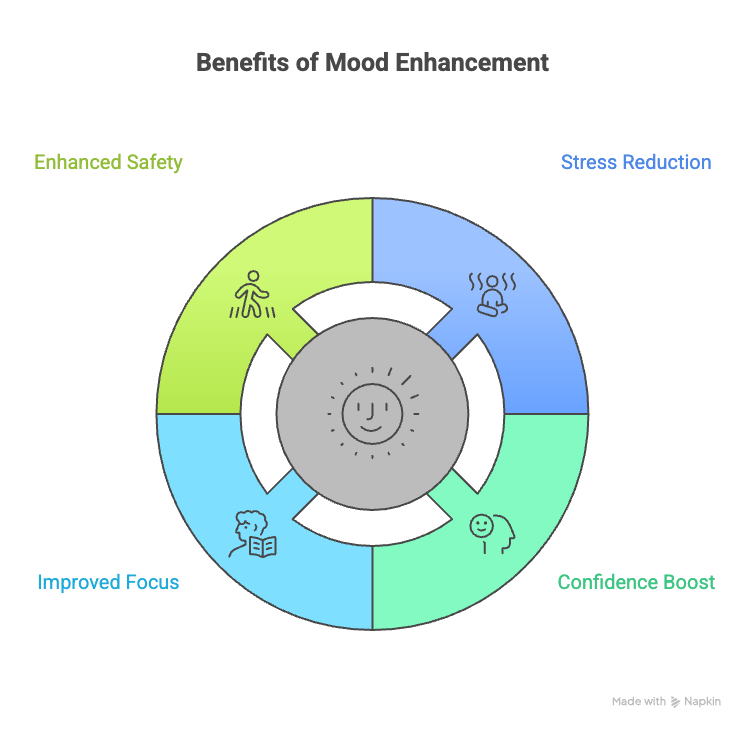
Stress Reduction: Cutting Through the Noise Literally
Clutter does not just sit there quietly. It presses on the brain. Studies on messy environments show a clear pattern. Visual disorder raises cortisol, the stress hormone that keeps the mind slightly on edge even when nothing urgent is happening. Inside a car, that effect tightens. The space is smaller, the distractions closer, the impact more immediate.
A messy car turns every drive into a low level negotiation for attention. Loose items shift, surfaces feel crowded, your eyes keep scanning without permission. That constant pull fragments focus and feeds tension. Traffic feels heavier. Small annoyances land harder.
A clean car changes the equation. When surfaces are clear and everything has a place, visual noise fades. The brain no longer works overtime to filter distractions. What remains is mental space, the kind that makes driving feel calmer and more controlled.
This is where the idea of restorative control comes into play. In a world that often feels unpredictable, having one environment that is fully in order offers relief. It is a quiet reset, a moment where the mind can settle back into balance.
For people navigating the pace of Chicago life, that reset matters. Long commutes, packed schedules, shifting weather, all of it adds up. Professional detailing steps in as a true reset button, not just cleaning a car but restoring a sense of order that carries into every drive that follows.
Confidence Behind the Wheel: Clean Car Clear Identity
A clean car speaks before you do. It signals care, attention, and a certain level of self respect that others pick up on instantly. This is not about impressing strangers. It is about how your environment reflects back onto your identity.
When you arrive in a well kept vehicle, the message is clear. You take responsibility for the details. That perception builds trust, whether you are pulling up to a meeting, picking someone up for dinner, or offering a ride across town.
The opposite is just as powerful. A cluttered or dirty interior can create hesitation, even embarrassment. Many drivers think twice before offering rides because of how their car might be perceived. That quiet discomfort chips away at confidence in ways that are easy to overlook.
Keeping a clean car flips that dynamic. It removes doubt and replaces it with assurance. You step out of the driver seat already aligned with the image you want to project. Over time, that consistency reinforces behavior. You drive with more intention, you maintain your space, and that discipline carries beyond the car itself.
Focus and Safety: Where Psychology Meets the Road
Driving demands attention, and attention is fragile. Every distraction, no matter how small, competes for it. Smudged windshields, dusty mirrors, cluttered interiors all add friction to the act of driving. They force your brain to work harder to process what should be effortless.
A clean car removes that friction. Clear glass sharpens visibility. Organized interiors eliminate unnecessary movement and distraction. The result is a smoother line between what you see and how you respond.
There is also a deeper layer at work. When stress is reduced, reaction time improves. The brain is not split between managing clutter and monitoring the road. It is fully present. That presence translates into safer decisions and more controlled driving.
Over time, this becomes a habit. A clean environment encourages mindful behavior. You become more aware, more deliberate, more connected to the act of driving itself.
Cleanliness, then, is not just about appearance. It is a functional advantage. It supports focus, strengthens awareness, and quietly contributes to safety every time you get behind the wheel.
The Chicago Factor: Why This Matters More in Urban Life
Chicago does not ease you into your day. It throws you into motion. Traffic builds quickly, weather shifts without warning, and schedules rarely leave room to slow down.
In that kind of environment, your car becomes more than a means of getting from one place to another. It becomes a buffer.
Inside that space, you have a chance to reclaim a sense of order. Even when everything outside feels unpredictable, the interior of your car can remain steady. That contrast matters more than people realize.
Maintaining that level of cleanliness is not always easy. City driving brings in dust, salt, moisture, and the constant wear of daily use. The effort required is higher, but so is the reward. A clean car in a busy urban setting feels sharper, calmer, more intentional.
It becomes a personal refuge, a space that holds its own against the chaos outside.
It Is Never Just About the Car
A clean car does more than look good. It shifts how you feel, how you think, and how you move through your day. It lifts mood, lowers stress, strengthens confidence, and sharpens focus in ways that build over time.
These effects are not separate. They work together, shaping a driving experience that feels controlled rather than reactive. In a world that rarely slows down, that kind of consistency becomes an advantage.
Keeping a car at that level takes effort, and maintaining it consistently can be challenging. This is where professional detailing becomes less of a luxury and more of a practical solution, a way to preserve that psychological edge without constant upkeep.
When your environment is dialed in, your mindset follows and on the road, that changes everything.
Share with your friends

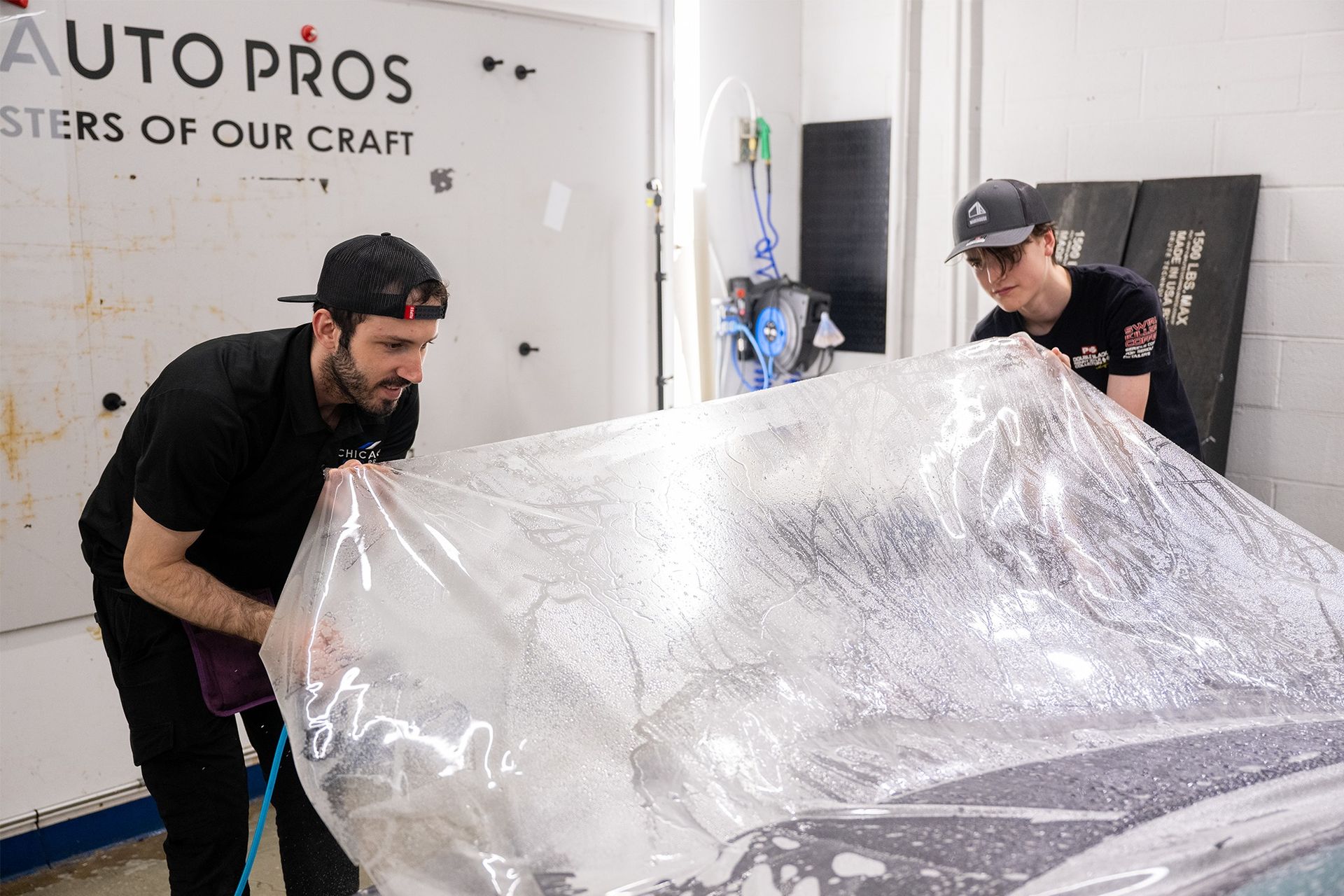

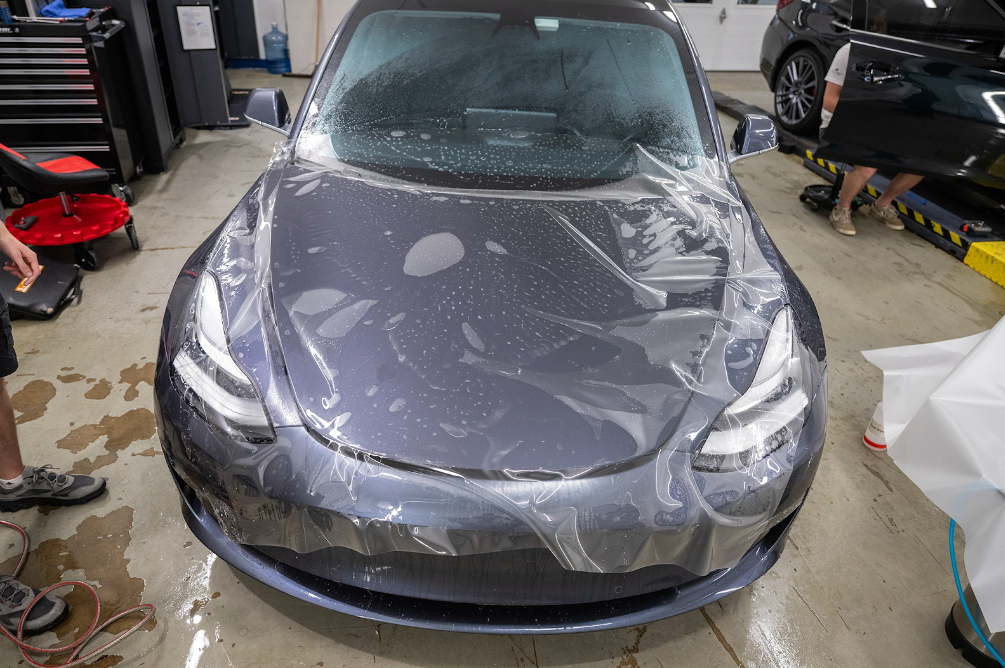

We Make Your Car Look Beautiful
Founded with an unquenchable desire for automotive perfection, Chicago Auto Pros is a leader in paint protection efforts and aesthetic vehicle detailing services in Chicago, Illinois. When you bring your automobile to our Chicago-based detailing shop, you are sure to experience unmatched integrity, customer service excellence, and above all, absolute automotive perfection from the inside out. Choose the right auto detailing team - choose Chicago Auto Pros!
Lombard Location
207a Eisenhower Lane South, Lombard, Illinois 60148, United States
Glenview Location
2075 Johns Ct, Glenview, IL, 60025, United States
St. Charles Location
315 Industrial Dr, St Charles, IL 60174, United States